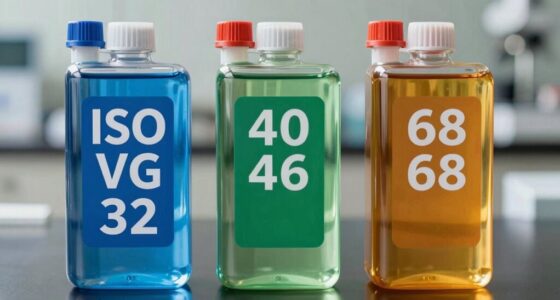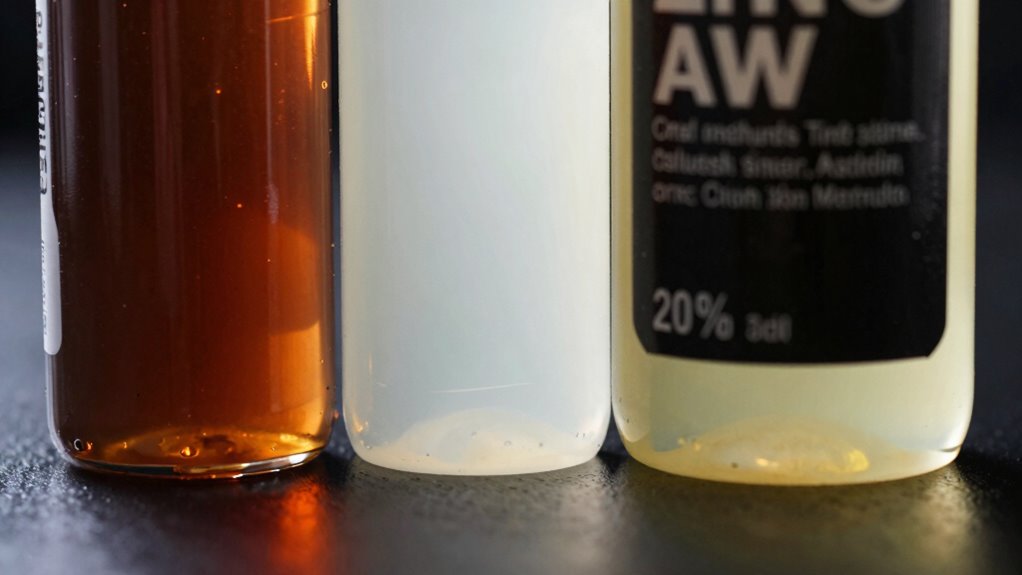

When a zinc-free formulation is required, you should choose ashless anti-wear (AW) additives. Zinc-based additives like ZDDP leave deposits that can harm emissions systems and are increasingly restricted due to environmental concerns. Ashless AW additives decompose cleanly, supporting modern engines and stricter regulations. By selecting ashless formulations, you guarantee compatibility with eco-friendly oils and engine components. To discover more about making the right choice for your engine, continue exploring your options.

Get garage and car supplies delivered free — and shop member deals
- Fast, free delivery on millions of items
- Access to Prime Big Deal Days deals on October 6–7
- Prime Video, Amazon Music and more included
Key Takeaways
- Zinc-free additives are required for engines with strict emission standards and low-SAPS oil formulations.
- Ashless AW additives are designed for compatibility with modern synthetic oils and eco-friendly engine requirements.
- Zinc additives produce ash that can harm catalytic converters and increase particulate emissions.
- When vehicle manufacturer specifies “zinc-free,” avoid zinc-based additives to prevent damage or warranty issues.
- Use ashless AW additives in engines demanding “zinc-free” formulations to ensure compliance and optimal performance.
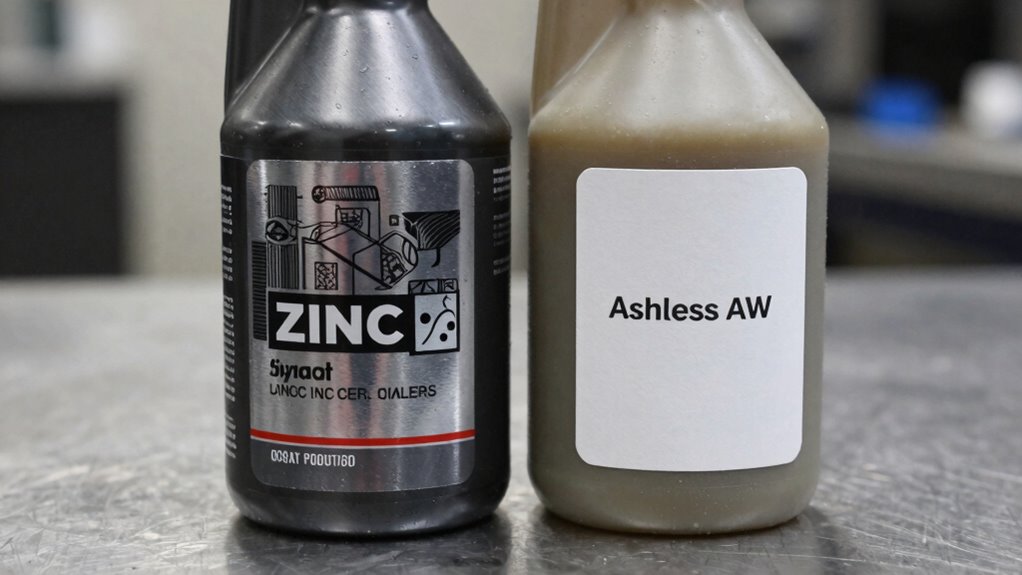
When choosing engine oil additives, understanding the differences between zinc and ashless anti-wear (AW) additives is essential. These additives serve to protect your engine’s moving parts, but their environmental impact and compatibility with other additives can substantially influence your decision. Zinc-based additives, such as zinc dialkyldithiophosphate (ZDDP), have been the industry standard because of their proven ability to form a protective film on metal surfaces, reducing wear. However, zinc compounds produce ash when burned, which can contribute to harmful deposits in engines and exhaust systems. This ash buildup can impair catalytic converters and other emission control devices, raising concerns about environmental impact. If you’re committed to greener practices or vehicle models requiring low or zero ash formulations, zinc additives might not align with your goals.
Ashless AW additives, on the other hand, are designed to deliver anti-wear protection without leaving behind ash residues. They typically use organic compounds that decompose cleanly during combustion, resulting in minimal deposits and reduced emissions. When contemplating additive compatibility, ashless formulations tend to integrate more seamlessly with modern engine oils, especially synthetic blends and low-SAPS (sulfated ash, phosphorus, and sulfur) oils. This compatibility ensures that the additive works effectively without causing adverse reactions or diminishing the oil’s overall performance. If your vehicle’s engine or emission system specifies “zinc-free” or “ashless,” sticking with ashless AW additives guarantees you meet those requirements without risking damage or inefficiencies.
Environmental impact is a critical factor in choosing between these additives. Zinc-based options, though historically trusted for durability, are increasingly scrutinized due to their contribution to particulate matter and deposit formation. In contrast, ashless AW additives support cleaner combustion and reduced emissions, aligning better with stricter environmental regulations. Their ability to protect engine components while minimizing harmful residues makes ashless formulations more suitable for modern engines and eco-conscious drivers.
Compatibility is also vital, as some older engine designs or specific oil formulations may respond differently to various additives. Not all additives mix well with every oil formulation, especially with newer synthetic oils that have specific additive restrictions. You need to contemplate your vehicle’s requirements and whether the oil you select is compatible with the additive type. Using incompatible additives can lead to diminished engine protection or even damage. Hence, always check manufacturer recommendations and select additives designed for your engine’s type and oil formulation. By understanding these distinctions—especially environmental impact, additive compatibility, and engine oil formulation—you can make an informed choice that balances engine protection, environmental responsibility, and long-term performance.
As an affiliate, we earn on qualifying purchases.
Frequently Asked Questions
Are Ashless Additives Compatible With All Types of Engine Oils?
Ashless additives are generally compatible with most oil formulations, but you should always check additive compatibility first. Since oil formulations vary, some additives might not work well with certain base oils or other additives. To guarantee maximum engine protection, consult your oil manufacturer’s recommendations and verify that the ashless additive suits your specific engine type and oil blend. Proper compatibility helps maintain engine performance and longevity.
How Do Ashless AW Additives Impact Fuel Efficiency?
Ashless AW additives can improve fuel efficiency by reducing engine wear and preventing deposit buildup, which helps your engine run smoothly and effectively. These additives enhance additive efficiency, ensuring your oil performs well over time. As a result, you may notice better fuel economy because your engine doesn’t have to work as hard. Keep in mind, the right additive choice depends on your engine type and driving conditions for ideal benefits.
Can Zinc-Free Additives Provide the Same Engine Protection?
You might worry zinc-free additives can’t match traditional protection, but synthetic formulations meet strict performance standards without zinc. These advanced additives are designed to protect engine parts effectively, even in demanding conditions. By choosing zinc-free options, you avoid potential environmental or engine issues associated with zinc, ensuring your engine stays protected and performs reliably. Trust that modern formulations deliver the safety and performance you need, without compromise.
What Environmental Regulations Influence the Shift to Zinc-Free Additives?
Environmental regulations, like stricter emission standards, are driving the shift to zinc-free additives. You’ll find that eco-friendly formulations are favored because they reduce environmental impact and prevent catalytic converter damage. Governments and industry groups push for these changes to lower pollution, encouraging manufacturers to develop additives that protect engines while complying with eco-conscious policies. This shift helps balance engine performance with environmental responsibility, making zinc-free options a smart choice for sustainable automotive care.
Are There Any Long-Term Effects of Using Ashless Versus Zinc-Based Additives?
Using ashless additives dramatically enhances corrosion resistance and additive stability over zinc-based options, which can cause long-term issues like sludge buildup and catalyst poisoning. Zinc-free formulations tend to last longer, offering better engine protection and reduced environmental impact. Over time, you’ll likely notice fewer maintenance problems, as ashless additives maintain their effectiveness without degrading or generating harmful deposits, ensuring your engine runs smoothly and sustainably for the long haul.
ashless anti-wear additive for cars
As an affiliate, we earn on qualifying purchases.
As an affiliate, we earn on qualifying purchases.
Conclusion
Think of zinc and ashless AW additives as guardians of your engine’s kingdom. Zinc, like a sturdy knight, offers proven protection but leaves behind a trail of ash—like a knight’s armor clanking on the castle floor. Ashless additives are the stealthy scouts, protecting silently without leaving traces. When you need a clean, stealthy defense, choose ashless. But if robustness is your priority, zinc stands ready—each has its role in your engine’s quest for longevity.
As an affiliate, we earn on qualifying purchases.
eco-friendly engine oil additive
As an affiliate, we earn on qualifying purchases.
As an affiliate, we earn on qualifying purchases.
Halloween Picks
halloween
As an affiliate, we earn on qualifying purchases.