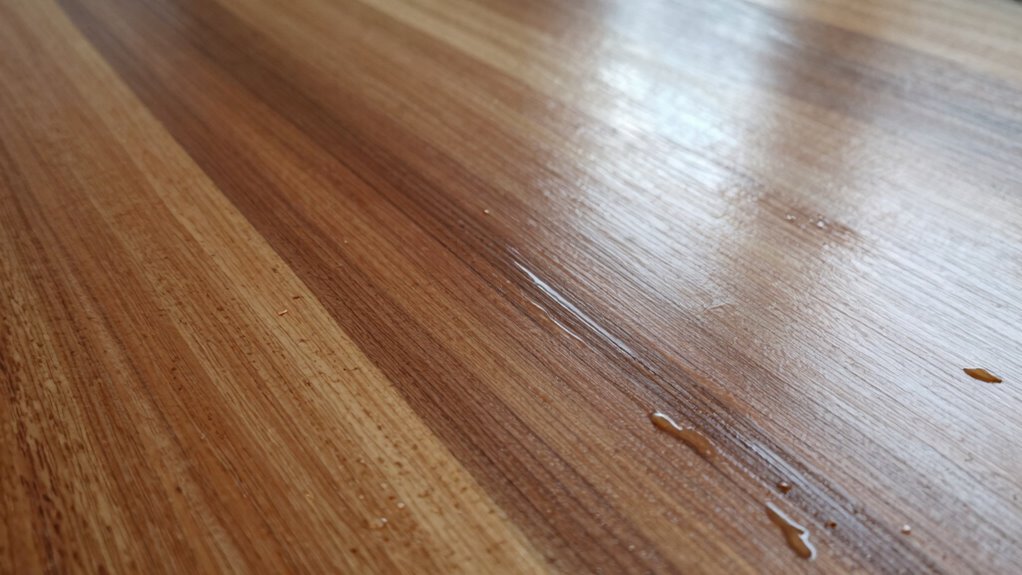

Hydraulic varnish is a yellow or brown sludge that forms from oil oxidation, heat, and contamination, impairing system components like valves and filters. It develops when temperatures soar, additives deplete, and contaminants promote deposits. To reduce risks, control operating temperatures, guarantee proper filtration, and maintain cleanliness. Regular oil analysis and system upkeep help prevent varnish buildup. If you want to protect your equipment from these issues, understanding more is essential to keep your system running smoothly.

Get business pricing on garage and car supplies
- Business-only prices and quantity discounts
- Tax-exempt purchasing
- Multiple users, one account, clear invoices
Key Takeaways
- Hydraulic varnish is a yellow or brown sludge formed by oxidation, thermal degradation, and deposit buildup in hydraulic oil.
- High temperatures, additive depletion, contamination, and cyclic thermal stresses accelerate varnish formation.
- Maintaining effective filtration, controlling operating temperatures, and regular oil analysis help prevent varnish buildup.
- Proper system cooling, moisture control, and scheduled cleaning reduce deposits and extend oil and component life.
- Monitoring system temperature and avoiding electrical heat buildup are essential to minimize the risk of hydraulic varnish.
As an affiliate, we earn on qualifying purchases.
What Is Hydraulic Varnish and Why Is It a Problem?

What exactly is hydraulic varnish, and why should you be concerned about it? Hydraulic varnish is a buildup of insoluble byproducts from oil oxidation and degradation, appearing as yellow or brown sludge on system surfaces. It forms from sedimented oil fragments, additives, and contaminants sticking together, creating deposits that can clog components. These particles are polar and electrically attracted to metal surfaces, leading to blockages in valves, pumps, and filters. Varnish isn’t just a cosmetic issue; it can cause sticking of control valves, increased wear, and overheating, ultimately reducing system efficiency and component lifespan. Recognizing its presence early helps prevent costly repairs and system failures, making understanding hydraulic varnish essential for maintaining ideal hydraulic system performance. Understanding oil properties can help in selecting appropriate maintenance and filtration strategies.
hydraulic system oil analysis kit
As an affiliate, we earn on qualifying purchases.
As an affiliate, we earn on qualifying purchases.
What Causes Hydraulic Varnish? Oxidation, Heat, and Contamination

Hydraulic varnish forms primarily due to three interconnected factors: oxidation, heat, and contamination. Oxidation occurs when oil reacts with oxygen at high temperatures, creating acids and varnish precursors. Heat causes chemical changes, especially at hot spots, breaking down oil molecules into insoluble byproducts. Contamination introduces solids, water, or debris that catalyze oxidation and provide adhesion sites for varnish buildup. Additionally, color accuracy impacts the visual quality and can influence how the varnish buildup appears under different lighting conditions.
As an affiliate, we earn on qualifying purchases.
How Does Hydraulic Varnish Affect Your System? Key Impacts
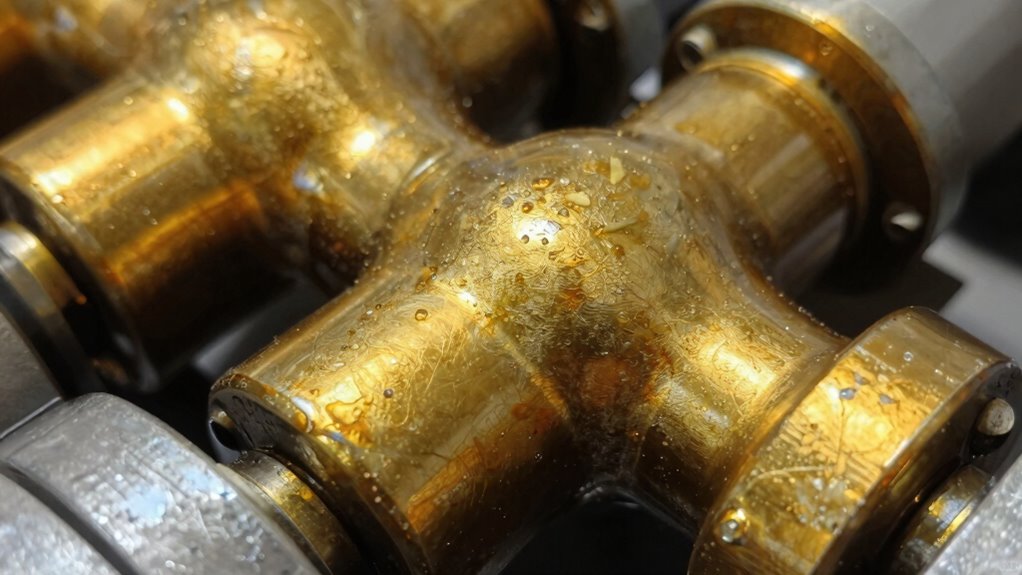
Varnish buildup in your hydraulic system can substantially impair performance by causing sticking valves, sluggish operation, and component failures. When varnish deposits form, they disrupt fluid flow and interfere with moving parts. This leads to:
- Valve sticking or jamming, causing erratic system responses.
- Increased wear and tear on pumps and actuators due to improper lubrication.
- Reduced heat transfer, raising system temperatures and accelerating oil degradation.
- Filter clogging, resulting in higher pressure drops and shorter service intervals.
These impacts not only threaten system reliability but also increase maintenance costs. Over time, varnish can cause unpredictable downtime, reduce component lifespan, and compromise safety. Addressing varnish early helps maintain ideal system performance and longevity.
As an affiliate, we earn on qualifying purchases.
How to Detect Hydraulic Varnish: Signs and Diagnostic Tools

Detecting hydraulic varnish early is essential to prevent system failures and costly repairs. Look for visual signs like discolored, yellowish, or brownish oil that indicates sediment buildup. Check filters and strainers regularly for sludge or deposits, which can signal varnish formation. Listen for unusual noises or erratic valve operation, as sticking valves often result from varnish deposits. Use diagnostic tools such as particle counters to identify submicron particles suspended in oil—an early sign of varnish. Conduct spectroscopic oil analysis to detect increased levels of oxidation byproducts and wear metals. Monitoring oil temperature and viscosity can also reveal degradation. Regular inspections combined with these diagnostic tools help you catch varnish formation early, enabling timely intervention before it causes more significant system issues.
How to Prevent Hydraulic Varnish Formation in Your System

Preventing hydraulic varnish formation starts with implementing proactive measures to keep your system clean and stable. First, guarantee effective filtration by using high-quality filters that capture fine particulates and prevent recirculation. Second, maintain proper oil chemistry by adding antioxidants to slow oxidation and extend oil life. Third, control operating temperatures to avoid hot spots and cyclic thermal stresses, which accelerate oil degradation. Fourth, regularly monitor water content and remove any dissolved or entrained moisture, as water promotes oxidation and varnish formation. Additionally, schedule routine oil analysis to detect early signs of degradation. Ensuring compatibility with air purifier maintenance can help maintain a clean environment that minimizes airborne contaminants entering the system. Implementing these steps minimizes contamination, reduces oxidation, and stabilizes your hydraulic system, considerably lowering the risk of varnish buildup and ensuring reliable, long-term operation.
How to Remove or Reduce Varnish Deposits Effectively

To effectively remove or reduce varnish deposits in your hydraulic system, you need to implement specialized cleaning techniques designed to dissolve and flush out accumulated sludge. These techniques may include the use of chemical varnish removal products formulated to break down varnish and loosen deposits. These cleaners are injected into the system and circulated for a specified period, allowing them to dissolve stubborn varnish layers. Follow up with a thorough system flush using clean oil or solvent to remove loosened deposits and residual chemicals. In some cases, high-flux filtration or bypass filtration systems can help trap submicron varnish particles during operation. Regularly scheduled cleaning cycles prevent buildup, improve system cleanliness, and extend component life, ensuring your hydraulic system maintains maximum performance and reliability. Maintaining awareness of system cleanliness is critical for optimal hydraulic operation.
Best Practices for Maintaining Oil Quality and Extending System Life

To keep your hydraulic system running smoothly, focus on optimizing your filtration systems to remove contaminants effectively. Regularly maintain oil additives to prevent oxidation and extend oil life. Additionally, monitor operating temperatures closely to avoid hot spots that accelerate oil degradation and varnish formation. Incorporating proper oil flavor profiles can also help in maintaining the overall health of your system by reducing the formation of unwanted deposits.
Optimize Filtration Systems
Optimizing filtration systems is essential for maintaining oil quality and extending the lifespan of hydraulic systems. Proper filtration removes harmful contaminants that accelerate varnish formation and system wear. To maximize effectiveness, consider these best practices:
- Use high-quality, compatible filters with appropriate micron ratings to trap submicron particles.
- Regularly monitor differential pressure to identify filter clogging and schedule timely replacements.
- Implement multi-stage filtration, combining coarse and fine filters for thorough contaminant removal.
- Maintain clean filter housings and seals to prevent recontamination during changes.
- Incorporate free floating filtration elements that adapt to flow variations, enhancing contaminant removal efficiency.
Maintain Oil Additives
Maintaining the proper levels and condition of oil additives is essential for preserving lubricant quality and prolonging system life. Regularly check additive concentrations and top off as needed to ensure they continue to protect against oxidation, wear, and corrosion. Use high-quality oils with stable antioxidants, anti-wear agents, and detergents suited to your system’s operating conditions. Avoid contamination during oil changes by following proper handling procedures. Incorporate additive packages designed to resist thermal and oxidative breakdown, especially in high-temperature environments. Periodic oil analysis can reveal additive depletion or degradation, guiding timely replenishment. Monitoring additive levels is a crucial step in maintaining system performance. By maintaining ideal additive levels, you help prevent varnish formation, reduce deposit buildup, and extend the overall service life of your hydraulic system.
Monitor Operating Temperatures
Monitoring operating temperatures is crucial for preserving oil quality and extending system lifespan. High temperatures accelerate oil oxidation, thermal degradation, and varnish formation. To effectively manage temperatures, consider these best practices:
- Regularly check temperature gauges to identify hot spots or abnormal readings.
- Use cooling systems or heat exchangers to maintain consistent operating temperatures.
- Avoid cyclic operations that cause temperature swings and thermal stress.
- Inspect and maintain pumps, valves,, and filters to ensure proper heat dissipation.
- Implement proper cabling and mounting techniques to prevent heat buildup from electrical components.
Frequently Asked Questions
Can Hydraulic Varnish Be Completely Eliminated From Systems?
Hydraulic varnish can’t be completely eliminated from systems, but you can considerably reduce its formation. By maintaining proper filtration, controlling temperatures, and using antioxidants, you minimize oxidation and contamination. Regularly monitoring water content and removing solid debris also help. Implementing varnish removal systems and ensuring ideal operating conditions prevent buildup, but some level of varnish may still form over time. Consistent maintenance is key to managing its impact.
How Often Should Hydraulic Oil Be Tested for Varnish Contamination?
Think of your hydraulic system like a garden—regular tending is key. You should test your oil for varnish contamination every 3 to 6 months, or more often if operating under harsh conditions. Frequent testing helps catch early signs of degradation, preventing costly failures. Keep an eye on system performance and oil condition, and don’t wait too long, so you can act swiftly and maintain smooth, reliable operation.
Are There Specific Additives That Prevent Varnish Formation?
Yes, you can add antioxidants to your hydraulic oil to prevent varnish formation. These additives neutralize free radicals and slow oxidation, extending oil life and reducing varnish buildup. Some antioxidants also contain metal deactivators that inhibit catalytic wear metals from accelerating oxidation. Regularly using oils with proven antioxidant packages helps maintain cleaner systems, minimizes deposits, and prolongs equipment lifespan, saving you maintenance costs and downtime.
What Role Does System Design Play in Varnish Development?
Did you know that poor system design can increase varnish formation by up to 50%? You play a vital role in preventing this by designing systems with efficient flow paths, proper filtration, and adequate cooling. Avoid sharp bends, dead zones, and turbulence that promote oil degradation. Good design minimizes hot spots and reduces contamination buildup, directly lowering varnish risk and extending the lifespan of your hydraulic system.
Is Varnish Formation Reversible Without System Shutdown?
Varnish formation isn’t easily reversible without system shutdown. Once it deposits on surfaces, it hardens over time, making removal difficult while the system runs. To reduce risks, you should implement proper filtration, maintain ideal temperatures, and use varnish removal systems. Regular monitoring and cleaning help prevent buildup, but complete removal usually requires shutting down the system and performing targeted cleaning or flushing procedures to restore system health.
Conclusion
To keep your hydraulic system running smoothly, stay vigilant against varnish buildup. Regular maintenance, monitoring oil quality, and addressing issues early can save you headaches down the line. Remember, an ounce of prevention is worth a pound of cure—don’t wait until varnish becomes a bigger problem. By taking proactive steps, you’ll extend your system’s life and avoid costly repairs. Stay ahead of the game, and your equipment will thank you for it.
Halloween Picks
halloween
As an affiliate, we earn on qualifying purchases.