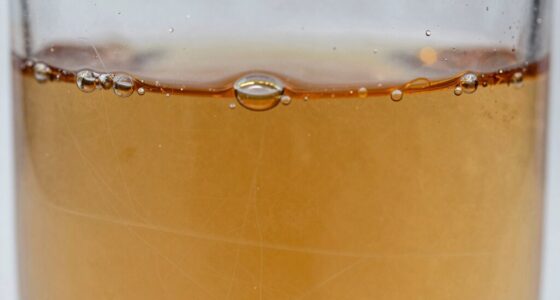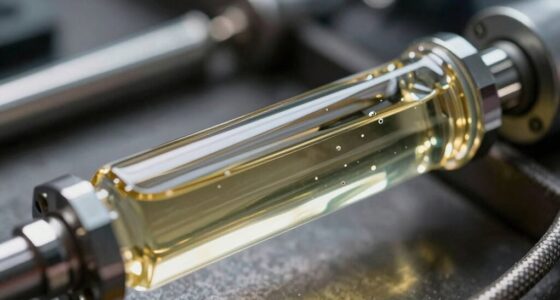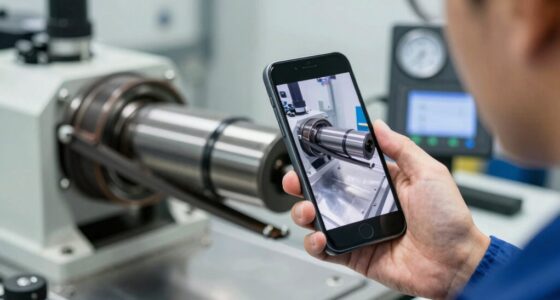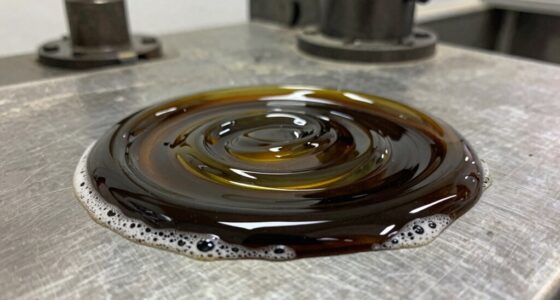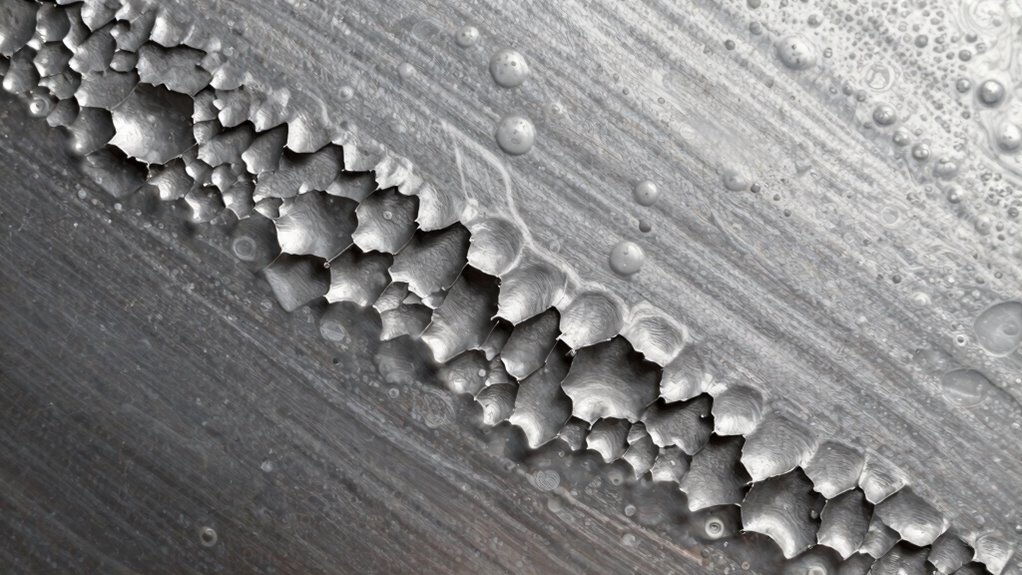

Cavitation and aeration can both cause surface damage that looks similar at first glance, with signs like pitting or wear. However, you’ll notice cavitation damage is usually localized, sharp, and shows shock wave marks, while aeration results in more uniform, gentle surface wear. Inspecting these patterns closely helps you distinguish between the two. If you want to understand how to spot the differences more clearly, staying with this guide will provide valuable insights.

Get garage and car supplies delivered free — and shop member deals
- Fast, free delivery on millions of items
- Access to Prime Big Deal Days deals on October 6–7
- Prime Video, Amazon Music and more included
Key Takeaways
- Cavitation causes localized, rapid pitting and surface erosion, while aeration results in more uniform, gradual surface wear.
- Visual inspection reveals cavitation’s shock-induced damage as concentrated pits; aeration shows widespread, less severe surface roughening.
- Noise levels differ: cavitation produces loud, abrupt banging; aeration generates softer, more subdued sounds.
- Damage patterns from cavitation are typically near impeller blades; aeration-related wear is evenly spread across surfaces.
- Acoustic and surface inspection help distinguish between the shockwave erosion of cavitation and the gentle agitation of aeration.
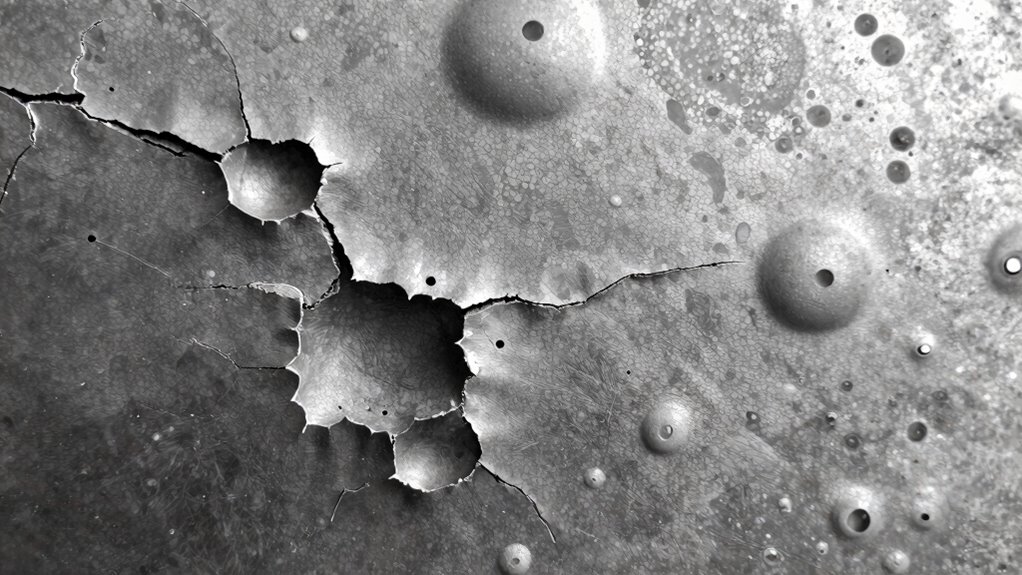
Understanding the differences between cavitation and aeration is essential if you’re working with fluid systems or water treatment. Both phenomena can cause damage to equipment, but they do so through distinct mechanisms that often look similar at first glance. Recognizing these differences helps you diagnose issues accurately and implement effective solutions, especially when dealing with hydraulic noise or surface erosion.
Distinguishing cavitation from aeration is crucial for diagnosing equipment damage and ensuring system efficiency.
Cavitation occurs when local pressure drops below the vapor pressure of the liquid, creating vapor bubbles that collapse violently when pressure recovers. This collapse generates intense shockwaves, which can damage surfaces and create a characteristic noise. You might notice a loud knocking or banging sound—referred to as hydraulic noise—emanating from pumps, valves, or pipes. Over time, the repeated collapse of vapor bubbles erodes metal surfaces, leading to surface erosion. This erosion manifests as pitting or roughening of the affected areas, often near impeller blades or pump volutes. The damage from cavitation is aggressive; the shockwaves physically wear down material, compromising the structural integrity of your equipment.
In contrast, aeration involves introducing air or gas into the liquid, typically to improve oxygen levels in water treatment or to prevent corrosion. Unlike cavitation, aeration doesn’t produce violent bubble collapses. Instead, it causes the formation of stable air bubbles that rise naturally to the surface. While aeration can sometimes generate noise, it’s generally less intense and doesn’t produce the shockwaves associated with cavitation. Surface erosion from aeration is also less severe; it mainly results from the mechanical agitation of the liquid and the continuous presence of air bubbles, which can lead to minor surface wear over time but rarely cause the kind of rapid damage seen with cavitation. Additionally, understanding the damage patterns associated with each phenomenon can help in diagnosis and prevention.
The key to distinguishing these phenomena lies in their effects and sounds. Hydraulic noise from cavitation is abrupt and loud, often accompanied by visible pitting or surface erosion on metal parts. Aeration-related damage tends to be quieter and more uniform, with surface wear primarily on areas exposed to continuous bubbling or agitation. If you’re inspecting equipment and notice surface erosion, determine whether it’s localized with evidence of shock damage or more evenly distributed. This assessment will guide whether cavitation or aeration is the culprit. Understanding these nuances ensures you can prevent costly repairs and maintain system efficiency by addressing the root cause directly.
cavitation damage inspection tools
As an affiliate, we earn on qualifying purchases.
As an affiliate, we earn on qualifying purchases.
Frequently Asked Questions
Can Cavitation Cause Long-Term Damage to Equipment?
Yes, cavitation can cause long-term damage to your equipment. It creates localized material fatigue by repeatedly impacting surfaces with vapor bubbles, which weakens the material over time. These operational stresses accelerate wear and tear, leading to cracks, pitting, and eventual failure. If you don’t address cavitation early, it can greatly shorten your equipment’s lifespan and compromise performance, so regular inspection and maintenance are vital.
How Can Aeration Impact Water Quality Over Time?
If you aerate water excessively, you may boost oxygen transfer, which can promote microbial growth over time. For example, in a wastewater treatment plant, increased aeration improved microbial activity but eventually led to higher sludge production and potential contamination if not controlled. Over time, this can degrade water quality, cause foul odors, and require more treatment. Proper balance in aeration ensures ideal water quality without encouraging harmful microbial proliferation.
Are There Specific Signs to Distinguish Cavitation From Aeration Visually?
You can distinguish cavitation from aeration visually by observing bubble formation and surface discoloration. Cavitation often causes irregular, sudden bubbles near propellers or pumps, and you might see pitting or damage on surfaces. Aeration creates uniform bubbles and may lead to a gradual surface discoloration. If bubbles appear uneven and damage is localized, it’s likely cavitation; if bubbles are consistent and surface changes are subtle, it’s probably aeration.
What Maintenance Practices Prevent Cavitation and Aeration Damage?
An ounce of prevention is worth a pound of cure. To avoid cavitation and aeration damage, you should perform regular vibration analysis to detect early signs of equipment issues. Additionally, conduct coating inspections to guarantee protective layers remain intact, preventing corrosion and damage. Proper lubrication, maintaining ideal operating conditions, and promptly addressing any abnormal vibrations help keep your machinery in top shape, reducing cavitation and aeration risks.
Do Different Materials Respond Differently to Cavitation and Aeration?
Yes, different materials respond differently to cavitation and aeration because of their unique material behavior. Some materials, like certain metals, resist damage better due to their toughness, while softer materials may show quicker deterioration. Your response variability depends on factors such as hardness, elasticity, and surface finish. To prevent damage, you should select materials suited for your specific application and regularly inspect components for early signs of cavitation or aeration-induced wear.
aeration system for water treatment
As an affiliate, we earn on qualifying purchases.
As an affiliate, we earn on qualifying purchases.
Conclusion
While cavitation and aeration may appear quite alike at first glance, a closer look reveals their subtle differences. Think of it as enjoying a painting—you might love the overall scene, but the real beauty lies in the tiny details. By understanding these nuances, you’ll appreciate how each process gently influences your system’s health. Embrace this knowledge as a chance to fine-tune your equipment, ensuring everything runs smoothly and gracefully for years to come.
pump cavitation detection sensors
As an affiliate, we earn on qualifying purchases.
As an affiliate, we earn on qualifying purchases.
As an affiliate, we earn on qualifying purchases.
Fall Picks
fall essentials
As an affiliate, we earn on qualifying purchases.