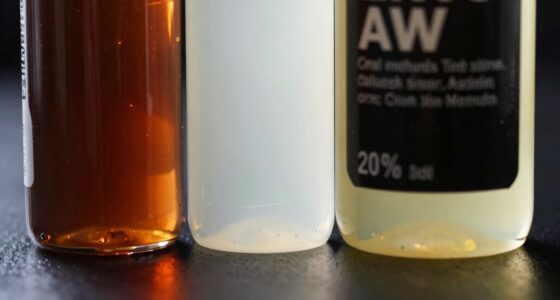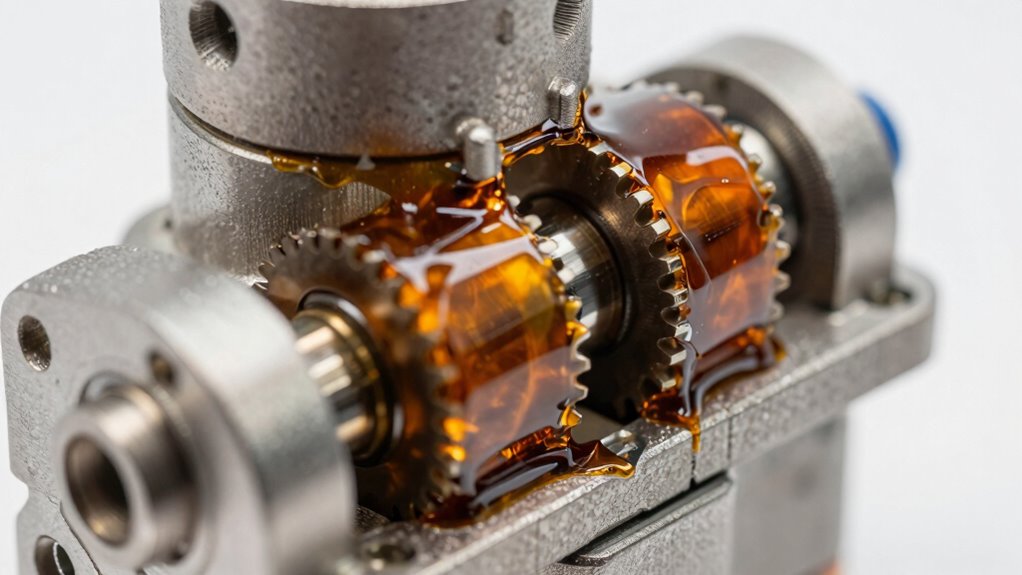
Servo valve stiction happens when varnish forms inside the valve due to degraded hydraulic fluid, creating a sticky, thin film that hampers its movement. This buildup causes the valve to stick slightly, making it hard to respond precisely to control signals. As a result, you’ll see sluggish or inconsistent performance. To understand how this varnish mechanism works and how to prevent it, keep exploring the details ahead.

Get garage and car supplies delivered free — and shop member deals
- Fast, free delivery on millions of items
- Access to Prime Big Deal Days deals on October 6–7
- Prime Video, Amazon Music and more included
Key Takeaways
- Varnish forms inside hydraulic systems from fluid degradation, creating a thin film on valve surfaces.
- This varnish increases friction, causing servo valves to stick and resist smooth movement.
- Stiction leads to delayed, uneven responses and reduces control accuracy.
- Regular maintenance and contamination control prevent varnish buildup and valve sticking.
- Managing varnish-induced stiction improves system responsiveness, stability, and component lifespan.
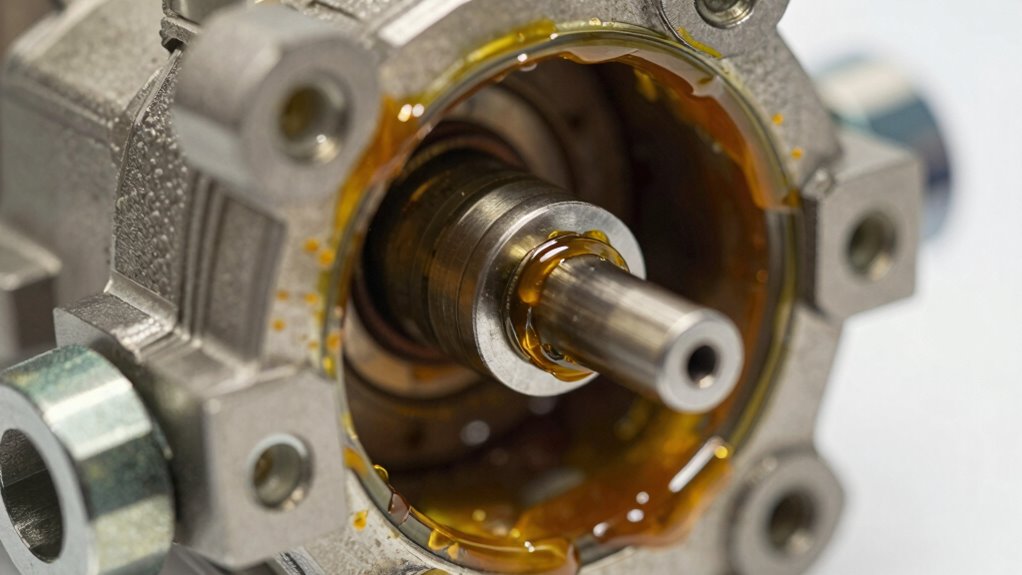
Servo valve stiction is a common issue that can cause performance problems in hydraulic and pneumatic control systems. When you’re working with hydraulic systems, precision is key, and even slight sticking of the servo valve can lead to inaccurate control, oscillations, or sluggish responses. Stiction occurs when the valve’s moving parts stick to each other or the internal surfaces, often due to a buildup of varnish or other residues inside the system. This varnish forms a thin film that increases friction, making it harder for the valve to move smoothly. As a result, the control system struggles to maintain the desired position or pressure, compromising the system’s overall accuracy.
Servo valve stiction caused by varnish buildup impairs control accuracy and responsiveness in hydraulic systems.
You might notice that the servo valve doesn’t respond immediately to control signals, or that it lags or overshoots during operation. These symptoms are typical of stiction, which creates a dead zone where small control signals don’t produce any movement. This dead zone hampers your ability to fine-tune or precisely control the hydraulic output, undermining the system’s performance. Over time, varnish forms from the degradation of hydraulic fluid, especially when the fluid isn’t regularly maintained or when the system operates at high temperatures that accelerate chemical breakdown. The varnish particles settle on internal components, creating an uneven surface that worsens stiction. Regular fluid filtration and contamination control can prevent varnish buildup before it becomes a serious issue, especially when combined with the use of proper maintenance practices.
To combat this, you need to understand the mechanisms of varnish formation and how it impacts control precision. Regular fluid filtration and contamination control can prevent varnish buildup before it becomes a serious issue. Using high-quality hydraulic fluids designed to resist varnish formation also helps maintain smoother valve operation. When stiction is already present, cleaning or replacing the affected servo valves becomes necessary. Some systems incorporate specialized coatings or surface treatments to reduce friction and limit the adherence of varnish residues.
Preventing varnish-related stiction ultimately improves the reliability and accuracy of your hydraulic systems. You’ll notice more responsive control, less oscillation, and better overall system stability. Maintaining proper filtration, monitoring fluid quality, and scheduling routine system flushes are essential steps to minimize varnish formation. When you address stiction early, you preserve control precision and extend the lifespan of your servo valves. In high-performance applications, where accuracy is non-negotiable, understanding and managing varnish-induced stiction becomes a critical part of system maintenance.
hydraulic servo valve maintenance kit
As an affiliate, we earn on qualifying purchases.
As an affiliate, we earn on qualifying purchases.
Frequently Asked Questions
How Can Stiction Be Detected During Operation?
You can detect stiction during operation by monitoring for irregular sensor calibration readings and inconsistent actuator responses. Fluid contamination often causes stiction, so watch for sudden changes or delays in valve movement. Regularly check sensor calibration and look for signs like jittery or stuck positions. If you notice these issues, it’s a clear sign that stiction may be present, likely due to varnish buildup from varnish and varnish-related contamination.
What Are the Long-Term Effects of Stiction?
Stiction’s long-term effects lead to lubrication degradation and mechanical wear, worsening your system’s performance. Over time, sticky servos cause components to struggle, sustain damage, and weaken. This wear deteriorates precision, prolongs downtime, and hikes maintenance costs. As friction increases, expect sluggish responses and possible system failure. You need to monitor early signs, maintain proper lubrication, and prevent varnish buildup to protect your equipment’s longevity and reliability.
Are There Specific Environmental Factors That Worsen Stiction?
Yes, environmental factors can worsen stiction in servo valves. Exposure to environmental contaminants like dirt, moisture, and debris can increase varnish buildup, making stiction more likely. Additionally, high ambient temperatures accelerate varnish formation by enhancing oil oxidation and viscosity changes. To prevent this, keep the environment clean, maintain ideal temperature levels, and guarantee proper filtration, reducing the risk of varnish-related stiction issues.
Can Stiction Be Completely Eliminated From Servo Valves?
Stiction can’t be completely eliminated from servo valves, but you can substantially reduce it through proper lubrication techniques and design improvements. Regular maintenance ensures the varnish buildup is minimized, preventing sticking. Upgrading to valves with better materials or coatings can also lessen stiction effects. While total elimination isn’t feasible, these measures help maintain smoother operation and extend the lifespan of your servo valves, improving overall system performance.
What Maintenance Practices Help Prevent Varnish Buildup?
To prevent varnish buildup, you should follow proper maintenance practices like regular oil changes using lubrication strategies that reduce varnish formation. Guarantee you select valve materials resistant to varnish adhesion and varnish-forming additives. Keep filters clean and monitor fluid cleanliness levels. Implementing these practices minimizes varnish deposits, helping maintain smooth valve operation and reducing the risk of stiction caused by varnish accumulation.
hydraulic fluid filtration system
As an affiliate, we earn on qualifying purchases.
As an affiliate, we earn on qualifying purchases.
Conclusion
Understanding servo valve stiction is like spotting rust on a delicate machine—it hampers smooth operation and causes delays. By recognizing varnish buildup as the culprit, you can take steps to prevent it from sticking, ensuring your system runs like a well-oiled engine. Think of varnish as invisible glue—once it forms, it traps and stalls. Staying vigilant keeps your equipment humming, so don’t let varnish turn your servo valve into a rusty gate that won’t swing open.
As an affiliate, we earn on qualifying purchases.
high-quality hydraulic fluid for varnish resistance
As an affiliate, we earn on qualifying purchases.
As an affiliate, we earn on qualifying purchases.
Fall Picks
fall essentials
As an affiliate, we earn on qualifying purchases.