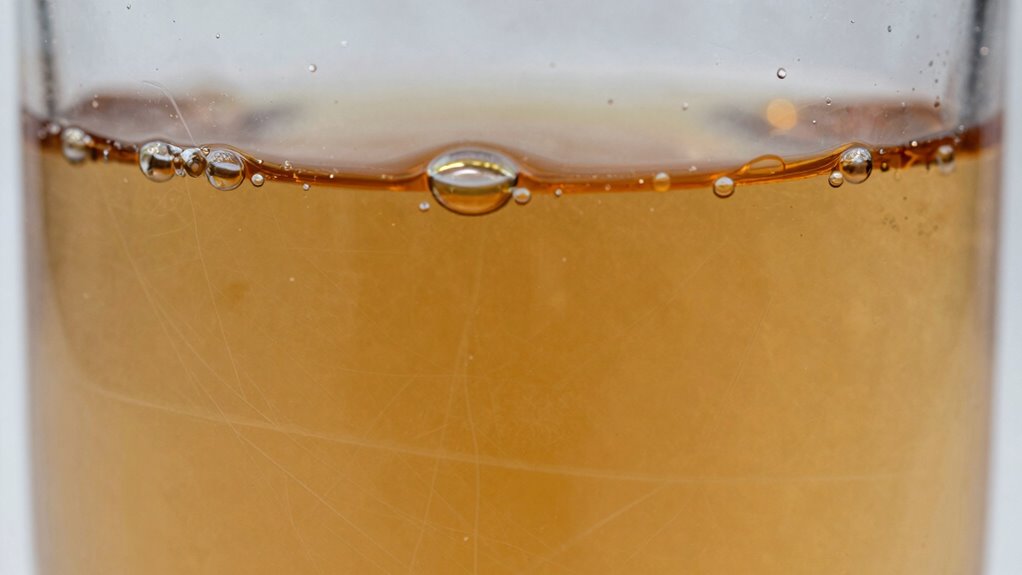

Water in hydraulic oil can cause unseen damage by promoting corrosion, increasing wear, and degrading components over time. It lowers lubrication efficiency, causes rust, and accelerates system failure without obvious signs. Microbial growth and emulsions also develop, further harming your equipment. If you want to stay ahead of these hidden issues, understanding how water enters, how to detect it early, and effective prevention methods will keep your hydraulic system running smoothly.
Key Takeaways
- Water causes micro-pitting and corrosion inside components, often invisible until severe damage occurs.
- Microbial growth produces acids and slime, accelerating internal material degradation unnoticed.
- Water reduces lubrication efficiency, increasing friction and component fatigue without immediate visible signs.
- Emulsified water alters oil viscosity, leading to unpredictable wear and potential system failure.
- Corrosion and surface pitting from water ingress weaken system integrity, often going undetected until critical failure.

934330T Hydraulic Tank Desiccant Breather - Universal Fit for Parker Reservoirs, Moisture-Removing Dehumidification Filter (Stock in US)
934330T For Use With Parker All Hydraulic Reservoirs
As an affiliate, we earn on qualifying purchases.
How Does Water Enter Hydraulic Oil: And Why Is It a Problem?
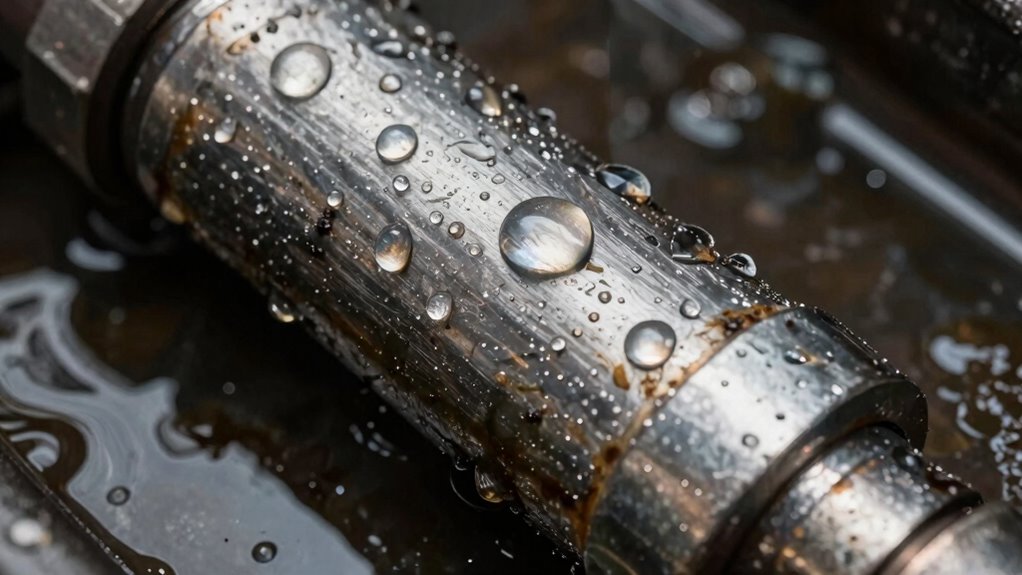
How does water typically get into hydraulic oil, and why does it pose a serious problem? Water can enter through condensation in storage drums, open systems during maintenance, leaks in seals, or from environmental factors like rain or humidity. Temperature fluctuations and inadequate ventilation also promote moisture ingress. Once inside, water can exist as free water or dissolve into the oil, both of which cause damage. Free water creates corrosion, microbial growth, and increases wear on system components. Dissolved water accelerates oxidation, thickens the oil, and reduces lubrication effectiveness. Even small amounts of water compromise the hydraulic system’s efficiency and lifespan. Preventing water entry is vital, as undetected contamination can lead to costly repairs and system failure over time.

Des-Case DC-VG-1 Desiccant Breather (1)
Des-Case VentGuard Desiccant Series Breather
As an affiliate, we earn on qualifying purchases.
What Damage Can Water Contamination Cause in Hydraulic Systems?
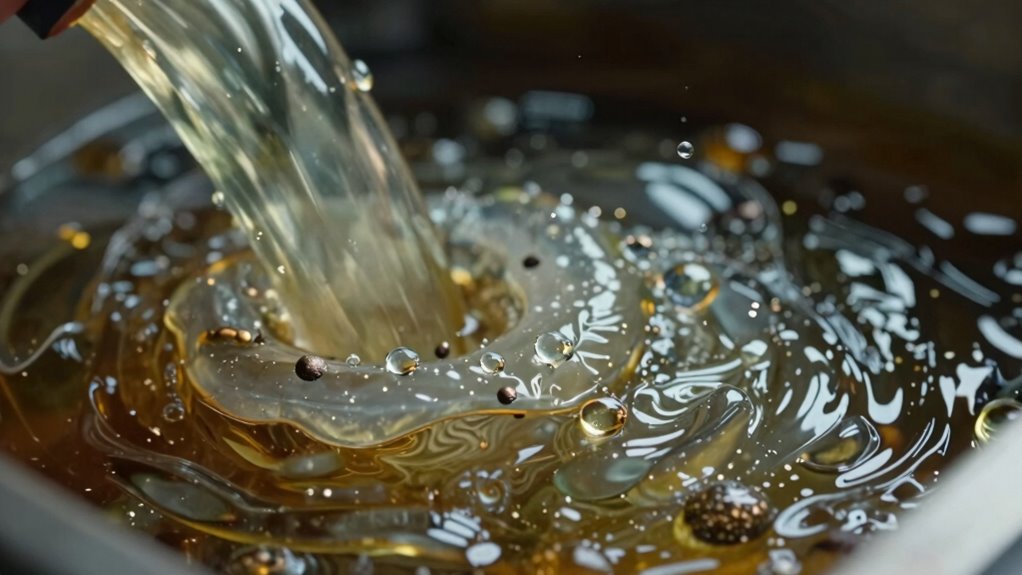
Water contamination can lead to corrosion and material damage, degrading components and causing leaks. It also reduces lubrication effectiveness, increasing wear and the risk of system failure. Additionally, microbial growth can develop, producing acids and slime that further harm your hydraulic system.
Corrosion and Material Damage
Contamination by water in hydraulic systems can lead to severe corrosion of metal components, compromising their integrity and lifespan. Water creates an environment where rust and pitting accelerate, weakening critical parts. Consider these impacts:
- Corrosion pits form on surfaces, causing roughness and stress points that can crack under pressure.
- Metal surfaces deteriorate, reducing the strength of cylinders, pumps, and valves.
- Material degradation leads to increased wear, particle generation, and potential system failure.
Over time, corrosion damages seals and protective coatings, increasing the risk of further water ingress. This cycle accelerates component failure, demands costly repairs, and shortens your system’s operational life. Preventing water from entering and staying in the oil is essential to safeguard your equipment.
Reduced Lubrication Effectiveness
When water enters hydraulic oil, it can compromise the lubricant’s ability to reduce friction effectively. Water causes the oil to lose its film strength, leading to increased metal-to-metal contact. This diminishes the system’s capacity to handle loads smoothly, increasing wear and the risk of component failure. Water also alters the oil’s viscosity, making it thinner and less capable of maintaining a protective barrier. As a result, surfaces experience higher friction, which accelerates surface fatigue and generates more heat. Additionally, water-based contamination can cause the formation of emulsions, further reducing lubrication quality. Over time, these issues lead to increased maintenance needs, unexpected downtime, and costly repairs. Ensuring the oil maintains proper lubrication properties is critical to system reliability and longevity. Moreover, color accuracy can be compromised when water contamination leads to corrosion and degradation of internal components, further impairing system performance.
Microbial Growth Risks
Microbial growth in hydraulic systems can substantially worsen existing water-related issues, leading to serious damage. Bacteria and fungi thrive in moist environments, producing slime, acids, and odors that compromise your system’s integrity. This growth can cause:
- Corrosion: Microbial acids eat away at metal surfaces, creating pits and roughness that accelerate wear.
- Clogging: Slime and biofilms trap particles, clog filters and nozzles, reducing flow and causing system failure.
- Component Damage: Microbial activity depletes lubricants, increases friction, and promotes cavitation, leading to premature component breakdown.
These effects not only damage your equipment but also pose health risks. Continuous water contamination encourages microbial proliferation, making early detection and control essential. Additionally, microbial activity can produce hazardous byproducts, which further degrade system components and threaten user safety.
Des-Case DC-VG-BB Desiccant Breather (1)
Des-Case VentGuard Desiccant Series Breather
As an affiliate, we earn on qualifying purchases.
How Do You Recognize Water Contamination in Hydraulic Oil?
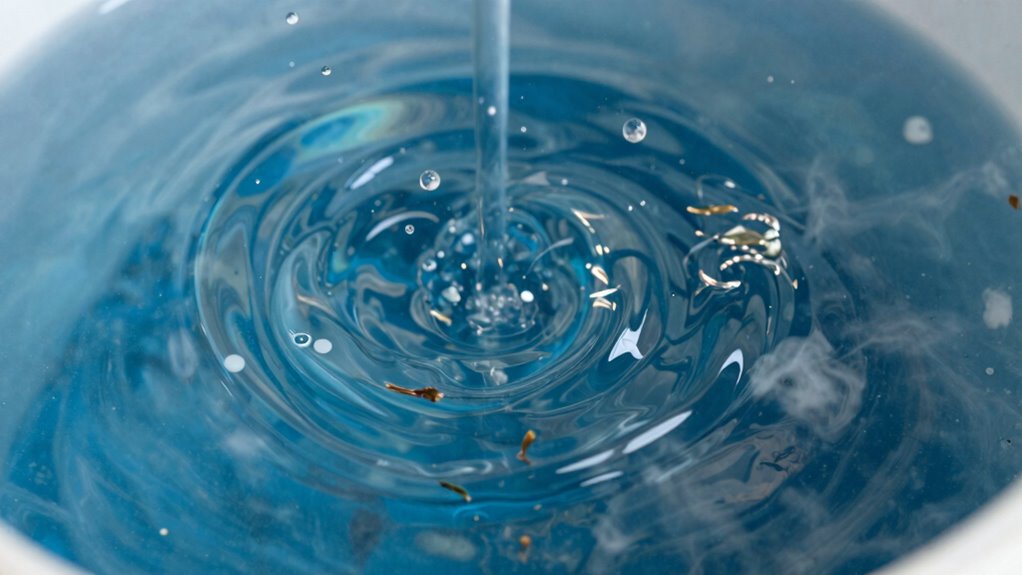
Water contamination in hydraulic oil often reveals itself through visual and sensory clues. You might notice a milky or cloudy appearance, indicating free or dissolved water. Phase separation, where water separates from the oil, is another sign. Unusual odors, such as mustiness or sourness, suggest bacterial growth or microbial activity. Sludge, varnish, or lacquer-like deposits on filters or components also point to water-related issues. Turbidity and foam formation are common indicators, especially during operation or after sample collection. Additionally, if you observe inconsistent system performance, increased wear, or frequent filter clogging, water contamination could be the cause. Regular inspection and sample analysis help you catch these signs early before extensive damage occurs. Investing in reliable testing accuracy tools allows for more precise detection of water in hydraulic oil, enabling timely maintenance and preventing costly failures.

Air Sentry L-144 Desiccant Breather
L-Series Breathers
As an affiliate, we earn on qualifying purchases.
What Are the Best Ways to Detect and Measure Water in Hydraulic Oil?
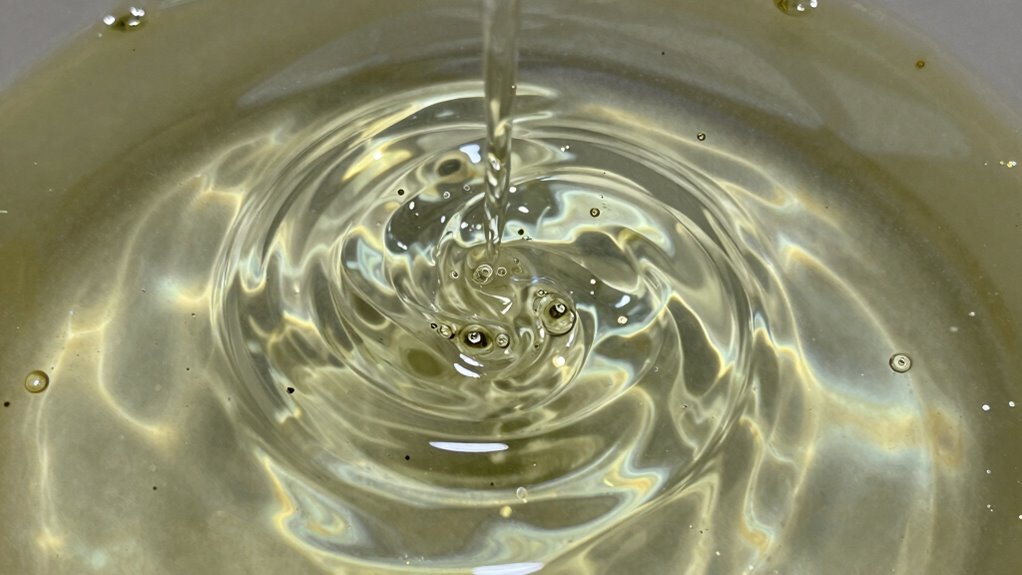
Detecting and measuring water in hydraulic oil requires precise methods to guarantee early identification before damage occurs. First, you can use water sensors or detectors that provide real-time readings of water content, making it easy to monitor levels continuously. Second, laboratory analysis like Karl Fischer titration offers accurate measurement of dissolved water, especially for critical applications. Third, visual inspection methods such as checking for turbidity, milky discoloration, or phase separation can reveal free water presence. These techniques help you identify contamination early, allowing for prompt removal or prevention. Combining on-site sensors with periodic lab tests ensures all-encompassing monitoring, reducing the risk of severe damage caused by undetected water in your hydraulic system. Additionally, understanding the relationship between water and oil degradation can help anticipate potential system failures before they occur.
How Can You Prevent Water From Contaminating Hydraulic Oil?
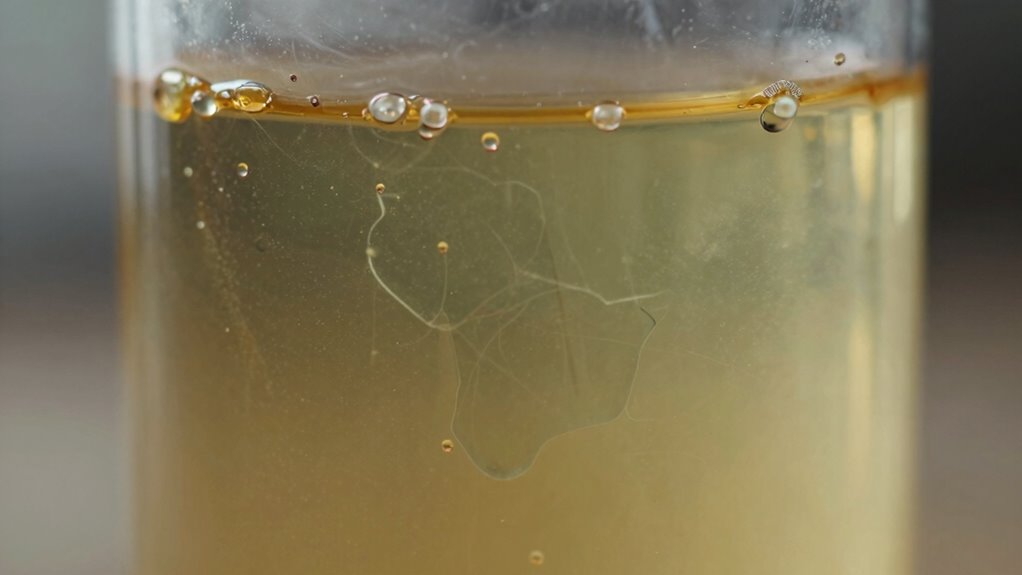
Preventing water from contaminating hydraulic oil starts with designing systems that minimize ingress points and promote effective sealing. Use high-quality seals and gaskets, ensuring they’re properly installed and regularly inspected for wear or damage. Keep storage drums and reservoirs covered to prevent condensation and rainwater entry. During maintenance, close all openings tightly and avoid leaving systems exposed to humid environments. Control ambient conditions by maintaining stable temperatures and humidity levels around equipment. Implement proper ventilation and ensure seals are resistant to temperature fluctuations. Regularly check for leaks from heat exchangers, pipes, or fittings, and repair them promptly. Good housekeeping practices, like cleaning areas and avoiding water ingress during operations, further reduce contamination risks. Sealing techniques are essential to prevent water intrusion effectively. Well-designed, sealed systems are your first line of defense against water intrusion.
What Techniques Are Effective for Removing Water From Hydraulic Oil?
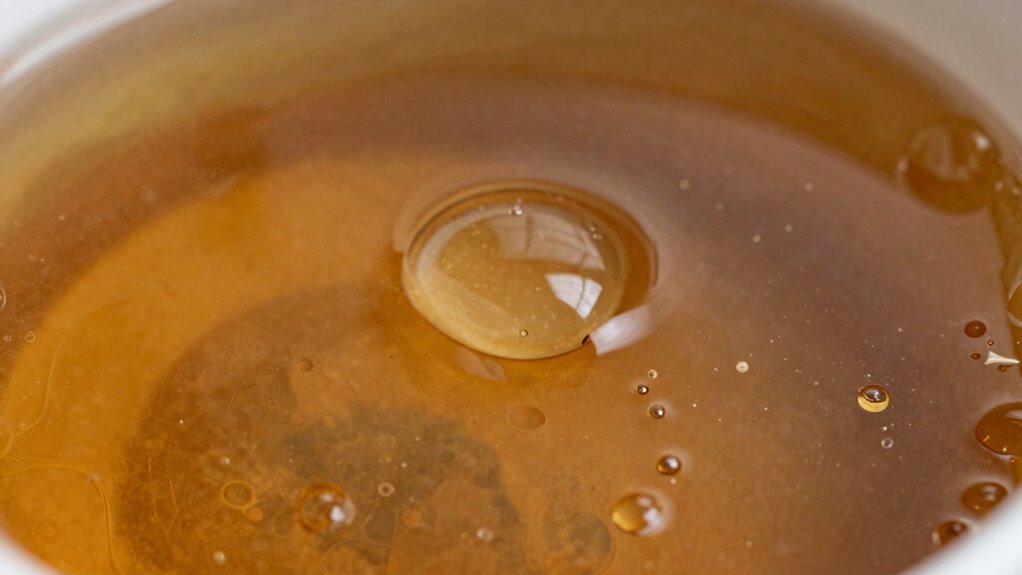
When water contaminates hydraulic oil, effective removal methods are essential to maintain system performance and prevent damage. You need reliable techniques to extract free and dissolved water efficiently. Implementing proper filtration and maintenance practices can also significantly reduce water ingress and contamination risks. Filtration and maintenance practices
Why Is Regular Oil Analysis Critical for Early Detection?
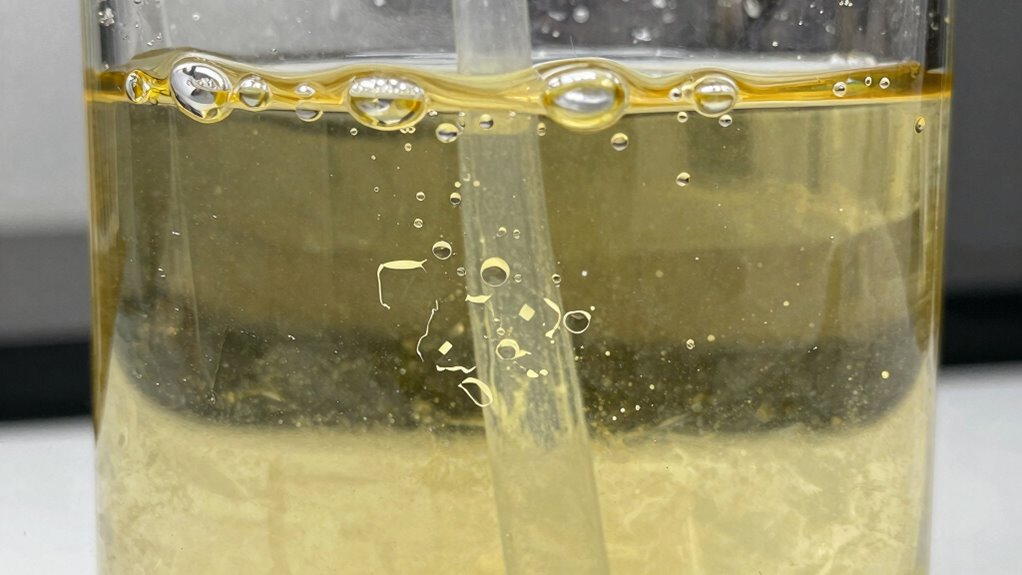
Regular oil analysis plays a vital role in identifying water contamination before it causes significant damage. By regularly testing your hydraulic oil, you can detect water presence early, long before visible signs like turbidity or sludge appear. Analytical methods such as spectroscopy or Karl Fischer titration reveal even small amounts of water, helping you prevent corrosion, microbial growth, and additive depletion. Early detection allows you to take targeted actions—like filtering or dehydration—reducing the risk of system failure and costly repairs. It also provides insight into potential entry points and contamination trends, enabling proactive maintenance. Without regular analysis, water issues can silently escalate, leading to system breakdowns, increased wear, and shortened equipment lifespan. Staying ahead through routine testing is your best defense against unseen water-related damage. Implementing consistent monitoring is crucial for maintaining hydraulic system integrity and preventing costly downtime.
Summary: Keeping Your Hydraulic Oil Water-Free and System Healthy
Maintaining water-free hydraulic oil is essential for ensuring your system operates smoothly and lasts longer. Water causes corrosion, reduces lubrication, and promotes microbial growth, all of which damage your equipment. To keep your system healthy:
- Regularly monitor water content and remove excess water early using vacuum dehydration.
- Minimize ingression by sealing entry points, controlling humidity, and ensuring proper system design.
- Schedule consistent oil analysis and fluid changes based on manufacturer guidelines to catch issues before they escalate.
- Choosing energy-efficient appliances and maintaining proper power requirements can prevent additional stress on your system.
Implementing these steps helps prevent corrosion, sludge buildup, and component wear. Use non-emulsifying oils and maintain a clean environment to reduce water ingress. Staying proactive with maintenance preserves your system’s performance, reduces costs, and extends equipment lifespan.
Frequently Asked Questions
Can Water in Hydraulic Oil Cause Health Risks to Operators?
Yes, water in hydraulic oil can pose health risks to operators. When microbial growth occurs, bacteria and slime can produce harmful odors and potentially release toxins. Additionally, sludge and bacteria buildup may cause respiratory issues if inhaled or come into contact with skin. Regularly monitoring and removing water from the system reduces these health hazards, ensuring a safer working environment and preventing contamination-related illnesses.
How Quickly Does Water Contamination Damage Hydraulic Components?
Water contamination can damage hydraulic components within weeks or months if left unchecked. It accelerates corrosion, causes pitting, and leads to abrasive flakes that wear out parts faster. Microbial growth produces acids and slime, worsening damage. The presence of water weakens lubrication, increases friction, and can cause freezing or sludge buildup. Regular monitoring and removal are essential to prevent rapid deterioration and costly repairs.
Are There Any Long-Term Effects of Undetected Water in Oil?
Undetected water in oil can cause long-term effects like accelerated corrosion, increased wear, and degraded lubrication. It can lead to varnishes, sludge buildup, and additive depletion, impairing system efficiency. Microbial growth may produce acids and odors, while surface fatigue and cavitation damage diminish component lifespan. Over time, these issues result in costly repairs, reduced equipment reliability, and shortened service intervals, making early detection and prevention essential for longevity.
What Role Does Ambient Humidity Play in Water Ingression?
Ambient humidity markedly influences water ingression in hydraulic systems. When humidity levels are high, moisture can easily enter open or poorly sealed components, leading to water accumulation in the oil. You should monitor environmental conditions closely, guarantee proper sealing, and maintain ventilation to minimize moisture ingress. Regular oil analysis helps detect water presence early, preventing corrosion, microbial growth, and other damage caused by moisture in your hydraulic oil system.
Can Additives in Hydraulic Oil Mask Water Contamination Signs?
You might think additives hide water contamination signs, but they actually mask symptoms temporarily, creating a false sense of security. When additives neutralize water’s effects, you won’t see turbidity or emulsions right away. This coincidence masks underlying issues, risking unnoticed corrosion, wear, or sludge buildup. Always rely on proper testing rather than just visual cues, because hidden water can silently damage your system, leading to costly repairs.
Conclusion
If you think ignoring water in your hydraulic oil is a harmless oversight, think again. Because nothing screams sophistication like costly system failures and unexpected downtime, all caused by something as trivial as moisture. Stay vigilant, regularly analyze your oil, and keep that water out. After all, a well-maintained system isn’t just about avoiding damage—it’s about proving you’re smarter than the water you refuse to see. Cheers to keeping your hydraulics dry and your ego intact.