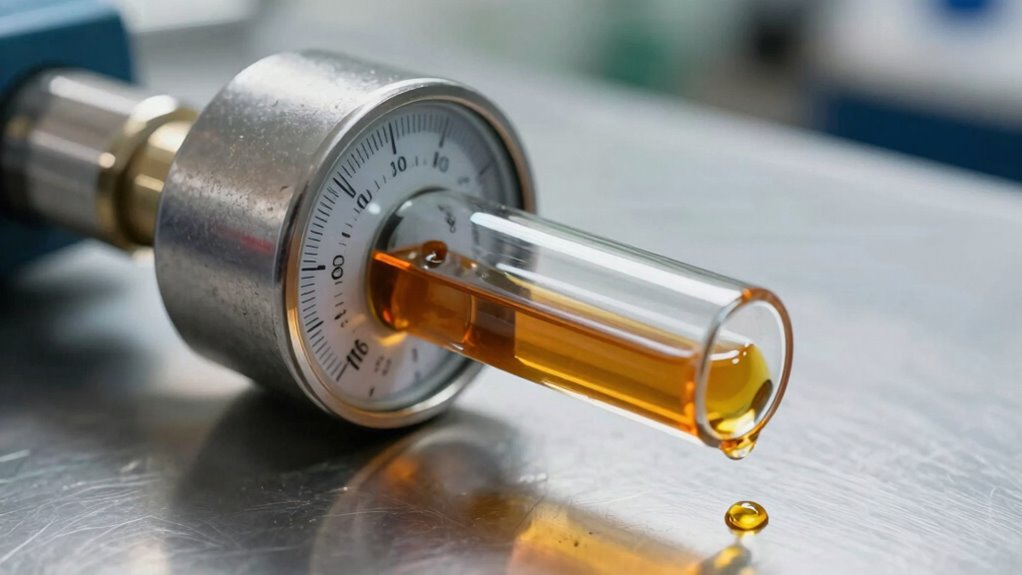

Incorrect calibration or poor sample handling can cause your coolant refractometer to give false security about freeze protection. If your device isn’t properly maintained or if samples are contaminated, you’ll likely see inaccurate results that underestimate antifreeze levels. This could leave your engine vulnerable to freezing. To avoid this, verify regular calibration, proper sample collection, and device upkeep. Keep reading to discover all the key steps that help ensure your coolant checks are spot-on.
Key Takeaways
- Calibration errors, especially without proper calibration with distilled water, can lead to inaccurate coolant readings and false freeze protection assessments.
- Temperature fluctuations during testing can skew refractometer results if not properly compensated or controlled.
- Contaminated or poorly prepared samples, including bubbles or inconsistent mixing, cause erroneous readings affecting freeze protection evaluation.
- Using a miscalibrated or dirty refractometer lens results in incorrect measurements, risking inadequate coolant mixture and freeze damage.
- Neglecting routine maintenance and calibration can cause device drift, leading to inaccurate readings and compromised freeze protection.

5-in-1 Refractometer for DEF Urea Concentration, Windshield Washer & PG/EG Antifreeze Freeze Point, Battery Specific Gravity – Refractometer for Coolant, Antifreeze, and Diesel Fluid
Professional-Grade 5-in-1 Diagnostics – This high-precision refractometer is the ultimate shop tool for cooling systems, batteries, and emissions….
As an affiliate, we earn on qualifying purchases.
As an affiliate, we earn on qualifying purchases.
Why Proper Calibration Is Crucial for Accurate Coolant Testing
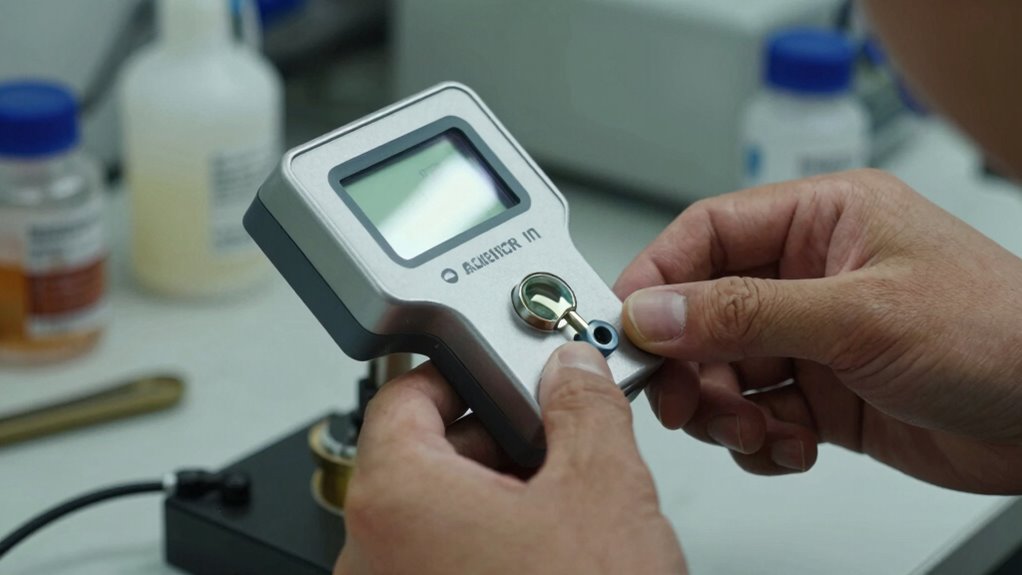
Proper calibration is essential to guarantee your coolant refractometer provides accurate readings. Understanding coolant composition is key because different mixtures—antifreeze, water, additives—affect refractive index measurements. If your refractometer isn’t calibrated correctly, you could misjudge the coolant’s freeze protection, risking engine damage. Refractometer types vary, including digital and analog models, each requiring specific calibration procedures to assure precision. Calibration aligns the device with known standards, accounting for variations in coolant formulations. Without it, readings become unreliable, leading to improper mixture assessments. Regular calibration ensures your refractometer accurately reflects coolant properties, preventing costly errors. Additionally, proper maintenance and consistent calibration practices can influence how calibration data is interpreted, emphasizing the need for regular checks and adjustments. Maintaining calibration also helps accommodate for environmental factors such as temperature fluctuations, which can impact measurement accuracy. By maintaining calibration, you guarantee your testing process remains consistent, reliable, and effective for maximum engine performance and longevity.
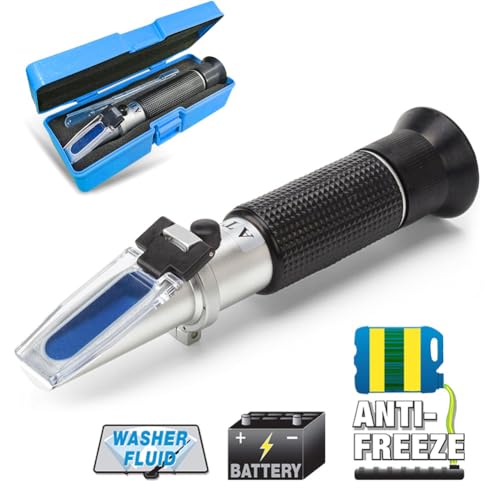
4-in-1 DEF Antifreeze Coolant Refractometer for Automobile Antifreeze System, Diesel Exhaust Fluid, Battery Acid and Windshield Washer Fluid
Function 1: Measuring freezing point of automobile antifreeze based on ethylene glycol or propylene glycol.Measuring Range: -50 to…
As an affiliate, we earn on qualifying purchases.
As an affiliate, we earn on qualifying purchases.
How to Calibrate Your Coolant Refractometer : A Step-by-Step Guide
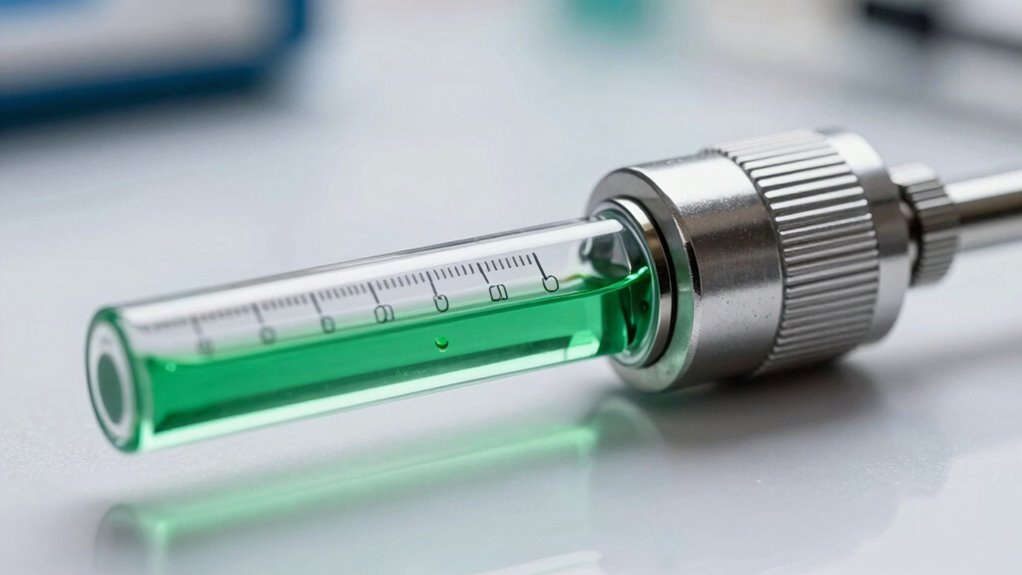
Calibrating your coolant refractometer accurately is essential for reliable readings, and doing it correctly guarantees your tests reflect the true properties of your coolant. Start by thoroughly cleaning the refractometer to guarantee proper refractometer maintenance; dirt or residue can skew results. Next, place a few drops of distilled water on the prism and close the cover. Look through the eyepiece and adjust the calibration screw until the reading shows zero or the standard reference value. Repeat this process with a known coolant sample to verify accuracy. Regular calibration helps maintain refractometer accuracy and ensures your coolant quality measurements stay precise. Additionally, understanding refractometer accuracy and its impact on coolant testing can help prevent costly mistakes in your cooling system management. Ensuring proper refractometer maintenance is vital for consistent performance and accurate readings over time. For optimal results, it’s also beneficial to familiarize yourself with proper calibration techniques to enhance measurement reliability. Knowing how temperature variations affect refractometer readings can also improve calibration precision.
4-in-1 DEF Antifreeze Coolant Refractometer for Automobile Antifreeze System, Diesel Exhaust Fluid, Battery Acid and Windshield Washer Fluid
Function 1: Measuring freezing point of automobile antifreeze based on ethylene glycol or propylene glycol.Measuring Range: -50 to…
As an affiliate, we earn on qualifying purchases.
As an affiliate, we earn on qualifying purchases.
Tips for Correctly Sampling and Testing Coolant
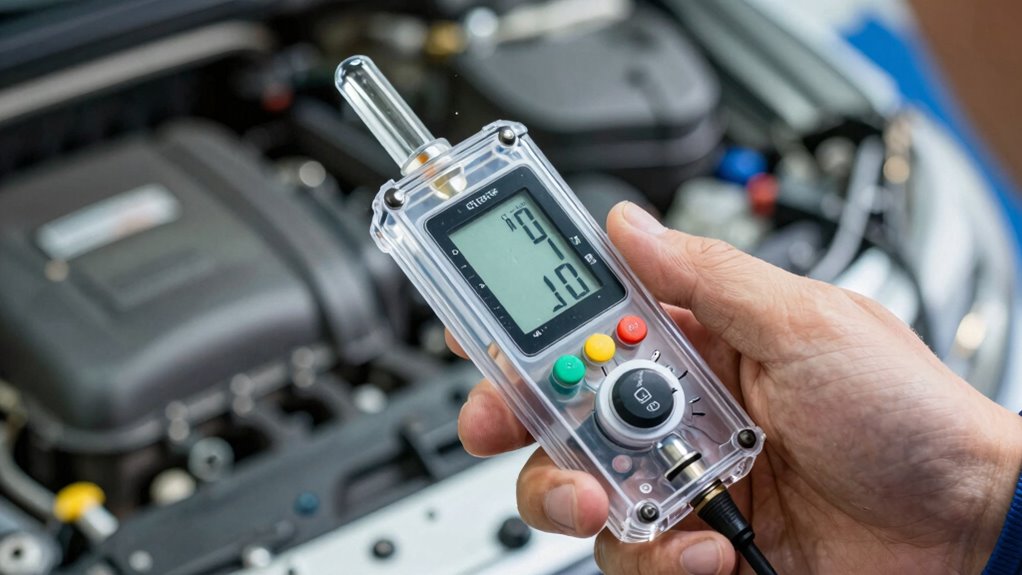
To get accurate test results, you need to follow proper sample collection techniques and guarantee the coolant sample is homogeneous. Make sure you mix the coolant well before testing to avoid uneven readings. Also, verify your refractometer is correctly calibrated for the most reliable measurements. Using a quality refractometer can significantly improve measurement accuracy and consistency. Additionally, regularly inspecting and maintaining your refractometer ensures ongoing measurement reliability and prevents calibration drift over time. To prevent measurement errors, always handle and store your refractometer properly and avoid exposure to extreme temperatures. Proper storage in a secure environment further helps maintain the device’s precision and longevity. Incorporating regular calibration routines is essential to sustain the accuracy of your coolant testing equipment over its lifespan.
Proper Sample Collection Techniques
Taking a clean, representative sample of coolant is essential for accurate refractometer testing. To prevent sample contamination and guarantee reagent accuracy, follow proper collection techniques. Always use a clean container and avoid touching the inside with your hands. Fill the sample well without air bubbles, as trapped air can skew readings. Use a dropper or syringe to transfer coolant precisely, avoiding excess or spillover. Avoid mixing old or contaminated coolant with fresh samples. Label samples clearly to prevent mix-ups. Ensuring proper sample collection techniques helps maintain the integrity of testing results and can aid in early detection of coolant issues. Proper techniques also reduce measurement errors that could lead to incorrect conclusions about the coolant’s condition.
Ensuring Sample Homogeneity
Ensuring sample homogeneity is crucial for obtaining accurate coolant measurements. You need consistent sample collection to maintain sample consistency, which directly affects the reliability of your refractometer readings. Before testing, thoroughly stir or shake the coolant to promote mixture uniformity. Avoid taking samples from the surface or bottom of the reservoir, as these areas may not reflect the overall coolant condition. Instead, draw from a representative middle point, ensuring the sample contains a well-mixed blend of coolant and water. Proper mixing prevents inaccurate readings caused by localized concentration differences. By focusing on mixture uniformity and sample consistency, you’ll ensure your coolant test results accurately reflect the entire system, helping you make informed decisions about freeze protection and maintenance.
Accurate Refractometer Calibration
Proper calibration of your refractometer is vital for obtaining accurate coolant measurements. Follow specific calibration procedures, such as using a standard calibration solution with a known refractive index, to guarantee your device reads correctly. Regular refractometer maintenance is also essential; clean the prism surface thoroughly before testing to prevent contamination. When calibrating, always stabilize the device on a flat surface and wait for a steady reading. Record calibration results periodically and recalibrate if readings drift or after any device impacts. Proper calibration ensures your coolant tests reflect true concentrations, avoiding errors that could compromise freeze protection. Additionally, accurate testing procedures help prevent costly system failures caused by incorrect coolant mixture assessments. Consistent calibration and diligent maintenance keep your refractometer reliable, helping you make informed decisions about coolant mixture and system safety. To further enhance measurement accuracy, understanding the refractive index of your coolant can aid in interpreting results more precisely. Monitoring refractometer accuracy regularly can also detect potential issues before they lead to significant measurement errors. Maintaining awareness of measurement variability is crucial for ensuring consistent and dependable coolant testing results.
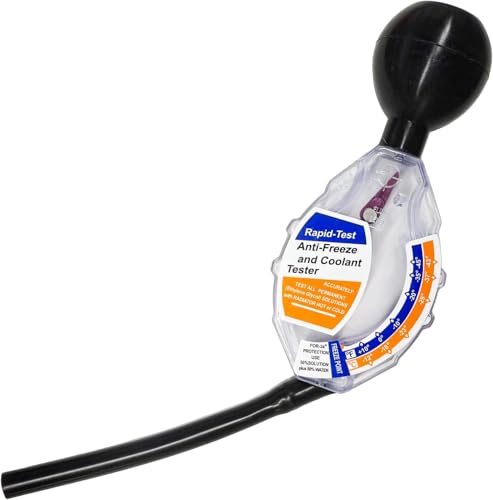
KVAEY 1PCS Coolant Tester Accessory, Automotive Professional Antifreeze Densitometer Freezing Testing Tool, Universal Coolant Hydrometer Tester for Winter and Summer, Car Accessories
Durable Material: Constructed from premium PC materials, this antifreeze measurement device is tough and durable. It offers excellent…
As an affiliate, we earn on qualifying purchases.
As an affiliate, we earn on qualifying purchases.
Common Coolant Testing Errors and How to Avoid Them
One common mistake is not preparing your sample properly, which can skew your results. You need to make certain the coolant is clear and mixed well before testing. Additionally, using the refractometer correctly is vital for accurate readings. Properly securing and calibrating your equipment is also essential to prevent measurement errors. Regularly checking your tools’ calibration ensures ongoing accuracy during testing. Always follow the manufacturer’s instructions for proper sample handling to minimize user errors. To further improve accuracy, ensure your workspace is free from contaminants that could affect the sample quality. Being aware of test conditions such as temperature and lighting can also help ensure consistent and reliable measurements.
Proper Sample Preparation
Accurate coolant refractometer readings depend heavily on how you prepare your sample. To avoid errors, verify your sample is free from contamination, which can skew results. Always use a clean container and tools, and avoid touching the sample with your fingers. The testing environment also matters—perform tests in a clean, dust-free area away from direct sunlight or temperature fluctuations. Make sure the coolant sample is well-mixed and at the correct temperature, as temperature differences can lead to inaccurate readings. Don’t add excess sample or use expired coolant, as this can cause contamination or inconsistent results. Proper sample preparation guarantees more reliable readings, helping you assess your coolant’s actual condition and freeze protection level accurately.
Accurate Refractometer Use
Even if you’ve prepared your coolant sample correctly, common testing errors can still lead to inaccurate refractometer readings. Calibration significance cannot be overstated—regularly calibrate your device with distilled water to guarantee accuracy. A miscalibrated refractometer skews results, causing you to misjudge the antifreeze concentration. Additionally, sample accuracy is vital; avoid contamination or improper sampling techniques that can distort readings. Always clean the prism thoroughly before testing and use a consistent sample volume. Temperature fluctuations affect readings, so consider using a temperature compensation feature or measure at a controlled temperature. Proper instrument calibration is essential for reliable measurements; by maintaining proper calibration and guaranteeing sample accuracy, you improve the reliability of your measurements, making your freeze protection assessments more precise and effective. Moreover, understanding coolant chemistry can help interpret results more effectively by accounting for additives or contaminants that may influence readings.
Signs Your Refractometer Is Inaccurate and What to Do
If your refractometer is giving inconsistent or unexpected readings, it’s likely signaling that something’s off. One clear sign is if your readings don’t match what you expect based on the coolant’s known properties. This could indicate your device’s Refractometer lifespan is nearing its end or calibration frequency has been insufficient. Over time, refractometers can drift out of calibration, leading to inaccurate results. If you notice frequent discrepancies, it’s time to verify calibration using standard solutions. Also, check for physical damage or dirt on the lens, which can impair accuracy. Regular maintenance and calibration guarantee your refractometer stays reliable. Proper care and calibration are essential for maintaining accuracy. If problems persist despite these steps, consider replacing it to avoid costly misreads that could compromise freeze protection. Ensuring proper maintenance can extend the lifespan and accuracy of your device.
Troubleshooting and Maintaining Your Refractometer for Long-Term Accuracy
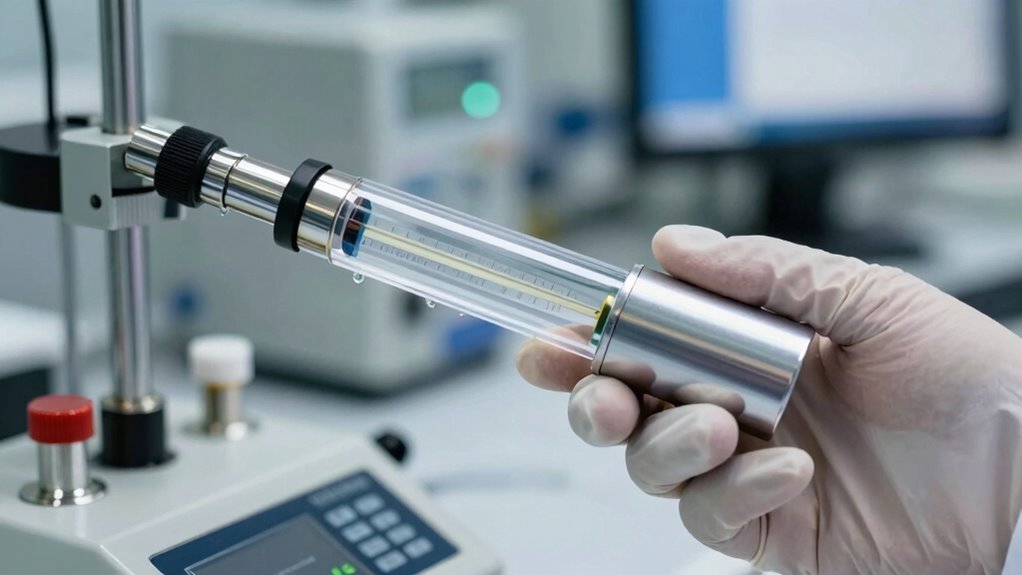
Maintaining your refractometer for long-term accuracy requires regular troubleshooting and proper care. Start by cleaning the sensor regularly with distilled water or a soft cloth to prevent buildup that can skew readings. Check for sensor damage or corrosion, and replace parts if necessary. Environmental factors, such as extreme temperatures, humidity, or dust, can affect your device’s performance, so store it in a controlled environment. Ensure the calibration is accurate by using standard calibration solutions periodically. Avoid exposing the refractometer to direct sunlight or sudden temperature changes. Proper sensor maintenance, combined with awareness of environmental influences, helps ensure consistent, reliable readings over time. Regular inspection and careful handling are your best tools for maintaining precision and extending your device’s lifespan.
How Accurate Coolant Testing Saves Your Engine and Money
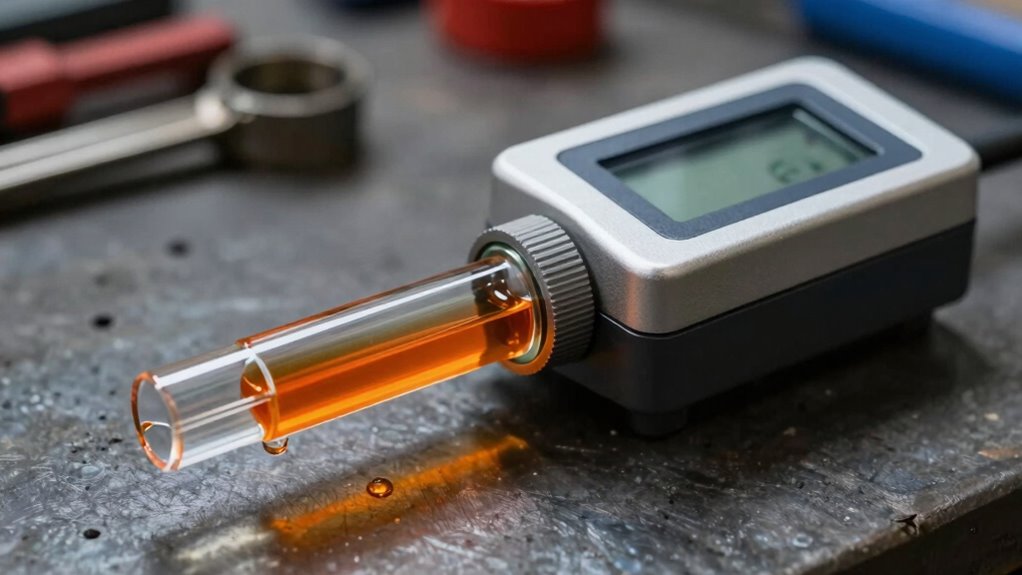
Accurate coolant testing guarantees your engine runs smoothly and helps you avoid costly repairs. When you consistently check your coolant’s refractometer readings, you ensure proper freeze protection and prevent corrosion inside the engine. Properly maintained coolant minimizes rust and scale buildup, which can lead to overheating and engine failure. By monitoring coolant concentration precisely, you extend your engine’s longevity and maintain ideal performance. Faulty readings caused by calibration errors or refractometer inaccuracies can give you a false sense of security, risking severe damage. Investing in accurate testing tools and regular checks ensures your coolant levels are correct, reducing the chances of corrosion and costly repairs. Ultimately, precise coolant testing saves you money and keeps your engine reliable longer.
How Often Should You Calibrate Your Refractometer?
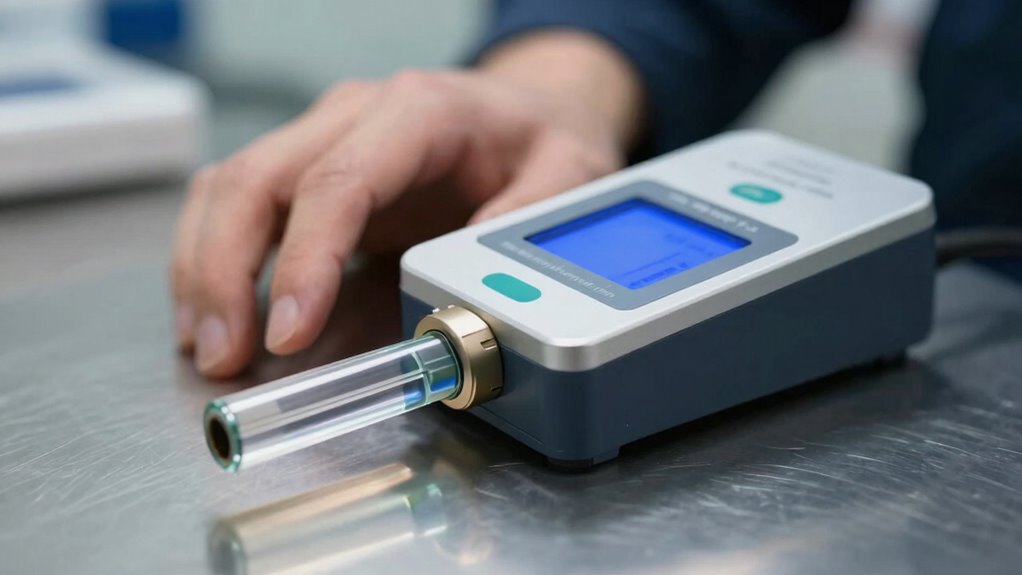
To guarantee your refractometer provides reliable readings, you should calibrate it regularly—ideally before each use or at least daily if you test frequently. Proper calibration ensures accurate assessment of your antifreeze formulation, preventing errors caused by variations in temperature compensation. Temperature fluctuations can affect the refractometer’s readings, so regular calibration helps account for these changes. If you handle different types of coolants or antifreeze formulations, recalibrating ensures consistency across tests. Use a standard calibration solution or distilled water to verify accuracy. Frequent calibration minimizes measurement errors that could lead to incorrect freeze protection assessments. Overall, consistent calibration maintains your refractometer’s precision, helping you make informed decisions about your coolant’s effectiveness and preventing costly engine damage.
Frequently Asked Questions
Can Temperature Variations Affect Coolant Refractometer Readings?
Yes, temperature variations can affect coolant refractometer readings. Ambient fluctuations influence the accuracy because they cause calibration challenges, making it harder to get precise measurements. When the temperature changes, the refractive index can shift, leading to incorrect freeze protection levels. To mitigate this, verify your refractometer is properly calibrated at the operating temperature, and avoid testing in extreme or fluctuating ambient conditions.
What Types of Coolants Can I Test With a Refractometer?
You can test a variety of coolants with a refractometer, including those with different antifreeze compatibility and coolant concentration levels. Just guarantee the coolant is compatible with the refractometer’s calibration, typically for glycol-based fluids. Always check the coolant’s label for specifics, and adjust your readings if needed. This helps you accurately assess freeze protection and prevent engine damage caused by improper coolant mixtures.
How Does Old or Contaminated Coolant Impact Test Accuracy?
They say “a chain is only as strong as its weakest link,” and old or contaminated coolant weakens your system’s protection. Coolant degradation and contamination effects can cause inaccurate refractometer readings, leading you to over- or under-estimate freeze protection. When coolant ages or gets contaminated, its properties change, skewing results. Always check and replace old coolant to guarantee your test results are reliable and your engine stays protected.
Are Digital Refractometers More Reliable Than Analog Ones?
Digital refractometers generally offer better digital accuracy compared to analog ones, making your readings more precise. They’re easier to read and often feature automatic temperature compensation, reducing user error. However, analog refractometers can be very reliable when properly calibrated and maintained. Your choice depends on your needs—digital tools provide convenience and accuracy, while analog devices are sturdy and dependable if used correctly.
What Is the Ideal Storage Temperature for a Refractometer?
You should store your refractometer between 10°C and 30°C for ideal accuracy. Studies show that improper storage can cause calibration drift, leading to inaccurate readings. Always follow proper storage conditions and calibration procedures to maintain precision. Keep it in a dry, stable environment, away from direct sunlight and extreme temperatures, to guarantee reliable measurements and extend your device’s lifespan.
Conclusion
Imagine your engine’s health hanging in the balance, just like a delicate glass of water on the edge of a blade. By keeping your coolant refractometer calibrated and testing accurately, you’re safeguarding your engine from the icy grip of freeze damage. Think of it as tuning a fine instrument—precision guarantees peace of mind on every drive. Stay vigilant, calibrate regularly, and let your engine run smoothly through every season’s challenge.