
API has improved motor oil standards from SN to SP, offering better engine protection, fuel efficiency, and emissions control. The SP standard introduces advanced features like LSPI prevention, enhanced deposit control, and better wear resistance, ensuring your engine runs cleaner and lasts longer. It’s backward compatible with older oils, so you can switch safely. Staying updated on these changes helps you select the best oil for your vehicle—discover what’s new next.
Key Takeaways
- API standards have evolved from SN to SP, offering improved engine protection, deposit control, and LSPI prevention.
- API SP exceeds previous standards, ensuring better performance for modern, turbocharged, fuel-efficient engines.
- The transition to API SP is backward compatible, allowing safe use in older engines formulated for SN or earlier standards.
- New standards incorporate stricter testing (like Sequence IX) to enhance deposit control, wear resistance, and emission reduction.
- Staying updated with API standards ensures optimal engine longevity, efficiency, and compliance with evolving vehicle technology.

Synthetic SAE 5W-30 API SP/Dexos Motor Oil/1×1/6 Gallon Box
Synthetic SAE 5W-30 API SP/Dexos Motor Oil/1×1/6 Gallon Box
As an affiliate, we earn on qualifying purchases.
As an affiliate, we earn on qualifying purchases.
What Are API SP, SN, and How Do They Differ?

Are you wondering what API SP and SN standards are and how they differ? API standards set the performance and quality benchmarks for engine oils, ensuring your engine runs smoothly. API SN, introduced in 2010, was a major upgrade over previous categories, focusing on deposit control and fuel economy. API SP, launched in 2020, builds on SN and SN Plus, offering even better protection against low-speed pre-ignition (LSPI), wear, and oxidation. While SN oils are suitable for older engines, SP oils are designed to meet the demands of modern, turbocharged engines and fuel-efficient designs. Understanding API classifications helps consumers choose the right oil for their vehicle’s needs. SP oils also feature enhanced testing and performance, making them more reliable for current vehicle technologies. The main difference is that SP exceeds SN standards, providing improved protection and longevity.
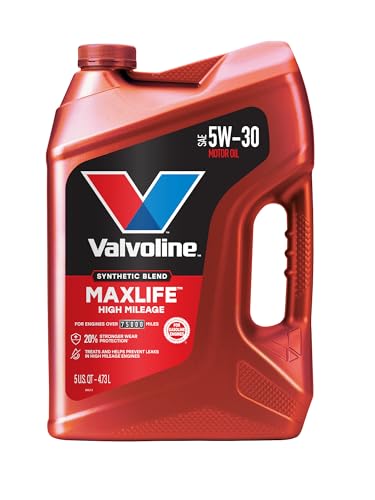
Valvoline MaxLife High Mileage 5W-30 Synthetic Blend Motor Oil 5 Quart
Formulated for engines with 75,000 miles or more, Valvoline MaxLife High Mileage synthetic blend is formulated with seal…
As an affiliate, we earn on qualifying purchases.
As an affiliate, we earn on qualifying purchases.
Why Did API Introduce the SP Standard, and What’s New?

API introduced the SP standard to provide even better engine protection amid modern engine demands. It features stricter performance standards and enhanced protection for critical components like timing chains and fuel systems. These improvements guarantee your engine stays cleaner, runs more efficiently, and lasts longer under today’s driving conditions.
Enhanced Engine Protection Features
Have you wondered why the SP standard was introduced? It’s to boost engine protection with advanced features. Here’s what’s new:
- Superior LSPI Protection: The Sequence IX test now better prevents low-speed pre-ignition, reducing engine knocking risks.
- Enhanced Wear Resistance: Oils provide improved protection for timing chains and critical components, minimizing friction and elongation.
- Improved Oxidation Stability: The oils resist breakdown longer, maintaining engine cleanliness and reducing deposit formation.
- Better Color Stability: These oils help maintain consistent color accuracy over time, ensuring the visual performance of your engine components remains optimal.
These updates ensure your engine runs smoothly, efficiently, and reliably. They address modern demands like turbocharging and fuel economy, all while supporting longer oil change intervals. By upgrading to API SP oils, you’re giving your engine the advanced protection it needs for today’s driving conditions.
Stricter Performance Standards
The introduction of the API SP standard reflects a response to the increasing complexity of modern engines and the need for higher performance benchmarks. You benefit from these stricter standards because they guarantee your engine gets better protection against issues like low-speed pre-ignition (LSPI), wear, and deposits. API raised the bar by implementing more rigorous testing, such as the enhanced Sequence IX + LSPI test, which evaluates deposit control and LSPI resistance more effectively. These new standards also improve fuel efficiency, engine cleanliness, and cold-start performance. By choosing API SP oils, you ensure your vehicle meets or exceeds the latest industry requirements, giving you peace of mind that your engine is protected under the most demanding conditions.

Valvoline MaxLife High Mileage Full Synthetic 5W-20 Motor Oil 1 Quart
Designed for vehicles with 75,000 miles or more, Valvoline MaxLife Full Synthetic High Mileage Motor Oil helps maximize…
As an affiliate, we earn on qualifying purchases.
As an affiliate, we earn on qualifying purchases.
How Does API SP Protect Your Engine and Improve Performance?
By incorporating advanced performance standards, API SP oils actively safeguard your engine from common issues like low-speed pre-ignition (LSPI), excessive wear, and deposits. They achieve this through rigorous testing and enhanced formulations. Here are three ways API SP enhances your engine’s performance:
- LSPI Prevention: The Sequence IX test ensures oils minimize LSPI, which can cause knocking and damage in turbocharged engines.
- Wear Reduction: Improved additive technology reduces friction and protects critical components like timing chains, extending engine life.
- Deposit Control: Enhanced oxidation stability prevents sludge and deposit buildup, keeping your engine cleaner and more efficient.
Together, these features keep your engine running smoothly, efficiently, and reliably over longer intervals.

Oil Change Kit for Chevrolet Colorado & GMC Canyon 2016-2020 Diesel engine 2.8L diesel dohc turbocharged. Factory Change 6 QT and Original OIl FIlter
Comes boxed as a kit
As an affiliate, we earn on qualifying purchases.
As an affiliate, we earn on qualifying purchases.
Is API SP Backward Compatible With Older Oil Standards?
API SP oils are designed to be fully backward compatible with older standards such as SN, SN Plus, SM, and earlier categories. This means you can confidently use SP oils in engines that specify older API ratings without worry. SP exceeds the requirements of previous standards, guaranteeing it provides at least the same, if not better, protection and performance. Vehicles formulated for SN or SM oils will still benefit from the advanced features of SP, like improved oxidation stability and wear protection, without compatibility issues. The backward compatibility guarantees a smooth transition for technicians and consumers, simplifying oil selection. You don’t need to worry about voiding warranties or causing engine damage by using SP in older engines. It’s designed to work seamlessly across generations of engine oils. Ensuring optimal performance and engine longevity, API SP oils adapt effortlessly to different vehicle requirements.
How to Choose the Right Oil Standard for Your Vehicle
To select the right oil standard for your vehicle, start by checking your owner’s manual for manufacturer recommendations. Understanding the specific certifications, like API SP or SN, guarantees you pick an oil that meets your engine’s needs. Remember, using the correct standard helps optimize performance, protect engine components, and maintain warranty coverage. Additionally, being aware of industry standards can help you make more informed choices when selecting motor oils.
Assess Vehicle Requirements
Understanding your vehicle’s requirements is essential to choosing the right oil standard. To do this effectively, you need to evaluate a few key factors.
- Check the owner’s manual—it specifies the recommended API or ILSAC standards based on your engine’s design and age.
- Consider your driving conditions—extreme temperatures, frequent short trips, or heavy loads may demand higher-performance oils like API SP.
- Assess engine age and health—older engines might benefit from oils with specific additive packages, while newer models align with current standards.
- Pay attention to your vehicle’s piercing care and hygiene—ensuring proper maintenance can help prevent issues that might affect engine performance and longevity.
Matching these factors ensures you select an oil that protects your engine, maximizes efficiency, and complies with manufacturer specifications. Staying informed about your vehicle’s needs helps you make a smart, effective choice.
Understand Oil Certifications
Choosing the right oil certification for your vehicle starts with knowing what your engine needs and what your manufacturer recommends. Certifications like API SP, SN, and ILSAC GF-6 indicate the oil’s performance level and compatibility with your engine. API SP is the latest, offering advanced protection against LSPI, wear, and sludge, suitable for newer vehicles. SN and earlier standards work well for older engines but may lack recent enhancements. Always check your owner’s manual to confirm the recommended standard. Using an oil with the proper certification guarantees peak engine performance, fuel efficiency, and longevity. Higher standards like SP are backward compatible, so they can replace older oils without issues. Understanding these certifications helps you make an informed choice, ensuring your vehicle operates smoothly and reliably. Oil certifications also reflect ongoing improvements in oil technology that support engine durability and environmental standards.
What Are the Key Testing and Performance Criteria for API SP?

The API SP standard sets rigorous testing and performance criteria to guarantee engine oils deliver superior protection and efficiency. To meet these standards, oils must pass strict evaluations, including:
- Sequence IX and LSPI tests: Ensuring low-speed pre-ignition protection and minimizing engine knocking, especially in turbocharged engines.
- High-temperature deposit and sludge tests: Demonstrating superior cleanliness and deposit control during extreme operating conditions.
- Cold start and low-temperature performance tests: Verifying that oils maintain flowability and protect engine components during cold starts.
- Monitoring ongoing promotional offers and social media giveaways can provide additional free crypto opportunities.
These criteria ensure that API SP oils not only protect engines under various conditions but also contribute to fuel efficiency and reduced emissions. Meeting these standards reassures you of high-quality performance and compatibility with modern engine technologies.
Understanding API and ILSAC Certification Standards

Certification standards like API and ILSAC set the benchmarks that guarantee engine oils meet specific performance and protection requirements. These standards assure oils are suitable for your vehicle’s engine, especially with modern features like turbocharging. API standards focus on engine protection, fuel economy, and emissions, while ILSAC emphasizes low-speed pre-ignition and deposit control. They are designed to be backward compatible, so newer oils work with older engines. Here’s a quick comparison:
| Standard | Focus Area | Compatibility |
|---|---|---|
| API SP | Fuel efficiency, LSPI | Backward compatible |
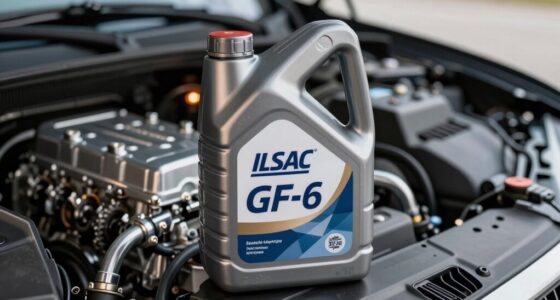
| ILSAC GF-6 | Deposit, LSPI, fuel economy | Fully backward compatible |
| API SN | Older engines | Compatible with latest |
Understanding oil certification standards helps ensure you select the right lubricant for your vehicle’s needs and helps maintain optimal engine performance.
What’s Next? Future API and ILSAC Oil Standards
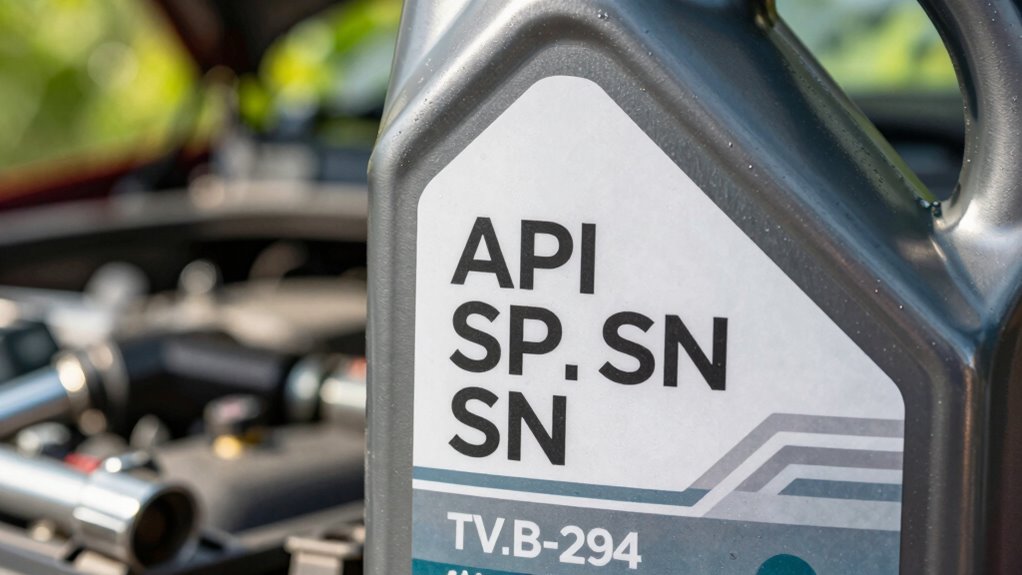
Have you wondered what advances lie ahead for engine oil standards? The future promises even stricter performance and efficiency requirements. Here’s what’s on the horizon:
Future engine oil standards will focus on enhanced protection, efficiency, and new formulations for modern engines.
- API SQ, launching in 2026, will build on SP with enhanced protection against deposits, viscosity stability, and fuel economy, aligning with ILSAC GF-7.
- Increased focus on ultra-low viscosity oils, such as 0W-8 and 0W-12, to improve fuel efficiency without sacrificing engine protection.
- Broader adoption of synthetic blend and full synthetic formulations designed for modern turbocharged, direct-injection engines, ensuring better durability and cleanliness.
These standards aim to optimize engine life, reduce emissions, and support evolving vehicle technologies. Staying informed helps you select oils that meet future demands and maximize your engine’s performance.
Why These Changes Matter When Choosing Motor Oil
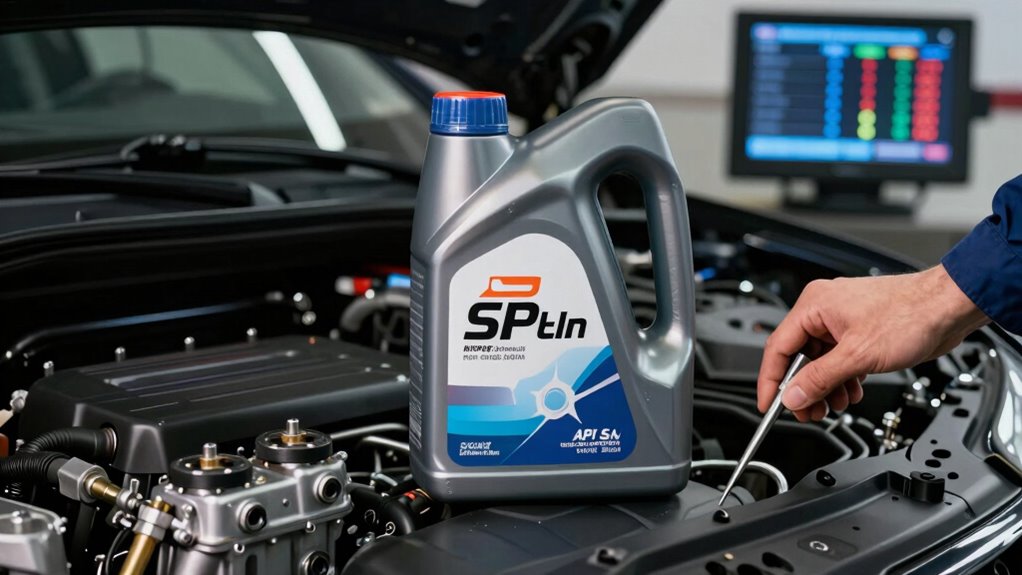
Why do these evolving standards matter when choosing motor oil? Because they directly impact engine protection, efficiency, and longevity. Newer standards like API SP include advanced tests for low-speed pre-ignition (LSPI), reducing engine knocking and damage, especially in turbocharged engines. They also improve wear protection for critical parts, helping your engine run smoothly longer. Additionally, these standards enhance oxidation stability, meaning the oil lasts longer and keeps your engine cleaner. Using oils that meet the latest specs guarantees you’re benefiting from improved fuel economy and reduced emissions. Staying updated on these changes helps you select the best oil for your vehicle’s needs. Recognizing philosophical insights can deepen your understanding of the importance of modern standards in maintaining your engine’s integrity.
Frequently Asked Questions
Can I Use API SP Oils in Older Engines Requiring SN or SM?
Yes, you can use API SP oils in older engines requiring SN or SM. These newer oils are fully backward compatible, so they meet or exceed the performance standards of previous categories. Using API SP oil in your older engine guarantees you get improved protection, fuel efficiency, and engine cleanliness without causing issues. Just make certain the oil’s viscosity matches your engine’s specifications for maximum performance.
What Are the Main Benefits of API SP Over Previous Standards?
You’ll benefit from API SP oils through better engine protection, fuel efficiency, and durability. They offer enhanced low-speed pre-ignition (LSPI) prevention, reducing engine knocking and damage, especially in turbocharged engines. SP oils also improve wear protection, oxidation stability, and engine cleanliness, helping your vehicle run smoother and last longer. Plus, they’re backward compatible, so you can confidently use them in older engines without worries about compatibility or performance issues.
How Does API SP Improve Fuel Economy and Emissions?
Think of API SP as your engine’s best friend, helping it sip fuel more sparingly and breathe cleaner emissions. You’ll notice better fuel economy because the oil reduces friction, allowing your engine to run more efficiently. Plus, the advanced additive technology cuts down on harmful emissions, making your vehicle greener. With API SP, you’re not just saving money on fuel but also contributing to a healthier planet—an upgrade worth making.
Are All API SP Oils Compatible With Turbocharged Engines?
Yes, all API SP oils are compatible with turbocharged engines. These oils are designed to meet modern engine needs, including turbocharged designs, by providing superior LSPI protection, reducing friction, and enhancing fuel efficiency. You can confidently use API SP oils in your turbocharged vehicle, knowing they offer advanced protection, better oxidation stability, and support for fuel economy, ensuring ideal engine performance and longevity.
When Will API SP Oils Become Widely Available in Stores?
API SP oils will become widely available in stores by mid-2024, much like new flavors hitting supermarket shelves. You can expect to find them in major automotive stores, big-box retailers, and online platforms soon after. Manufacturers are ramping up production to meet rising demand, so keep an eye out during your next shopping trip. Once in stores, these advanced oils will help your engine perform better and last longer.
Conclusion
Staying updated with API SP, SN, and other standards might seem overwhelming, but it’s essential for protecting your engine and maximizing performance. These changes are like a superhero shield, defending your vehicle from wear and tear you can’t see. By choosing the right oil, you guarantee your engine runs smoother, lasts longer, and saves you money in the long run. Don’t let outdated oils hold you back—embrace these innovations and keep your engine running at peak power!