
Additives in ATF are essential because they guarantee your transmission shifts smoothly, prevent wear on internal parts, and protect against rust and corrosion. Without these chemical components, your transmission would be more vulnerable to slipping, damage, and leaks. These additives work behind the scenes to keep your vehicle running reliably and efficiently. Ignoring their importance could lead to costly repairs, so understanding their role helps you maintain ideal transmission performance over time.
Key Takeaways
- Additives like friction modifiers and corrosion inhibitors are essential for smooth shifting and preventing component wear in ATF.
- Without additives, transmission performance declines, increasing the risk of slippage, corrosion, and costly repairs.
- Additives work continuously to protect metal surfaces and maintain proper friction levels critical for gear engagement.
- The formulation of ATF depends on these chemical additives to ensure reliable, long-lasting transmission operation.
- Skipping additives compromises transmission efficiency and longevity, making their inclusion a necessary aspect of ATF chemistry.
Automatic transmission fluid (ATF) often contains additives designed to enhance performance and extend the fluid’s lifespan. These additives aren’t just optional extras; they’re essential components that keep your transmission running smoothly and reliably. One key role of these additives is friction modification. In your transmission, controlled friction is crucial for proper gear shifting and torque transfer. Without additives that fine-tune this friction, the clutch plates and bands could slip or wear out prematurely, leading to slipping gears or transmission failure. Friction modifiers help ensure that the clutch engages just right, providing smooth shifts and peak power transfer. This means your transmission maintains efficiency and longevity, avoiding costly repairs down the line.
Friction modifiers in ATF ensure smooth shifts and prevent premature clutch wear for lasting transmission performance.
Corrosion inhibitors are another critical additive in ATF. Your transmission operates in a harsh environment filled with metal parts, water, and heat—all of which can accelerate corrosion. Corrosion inhibitors form a protective barrier on metal surfaces, preventing rust and degradation that could compromise the entire system. Without these inhibitors, moisture or contaminants could corrode vital components, leading to leaks, sluggish operation, or even complete transmission failure. These inhibitors work continuously, safeguarding your transmission’s internal parts from the corrosive effects of everyday wear and exposure, especially over long periods or under demanding driving conditions.
The importance of these additives becomes even clearer when you understand what happens without them. Without friction modifiers, your transmission’s shifting could become jerky or inconsistent, reducing driving comfort and risking damage to internal parts. A lack of corrosion inhibitors leaves your transmission vulnerable to rust and corrosion, which can cause parts to seize or wear unevenly. Over time, neglecting these additives can result in costly repairs or the need for a complete transmission overhaul. Modern toilets utilize similar additive principles to improve efficiency and prevent wear in their components, emphasizing the importance of these chemical enhancements across various systems.
Manufacturers carefully formulate ATF with these additives because they are integral to maintaining peak performance. They’re not just chemical quirks; they’re essential for protecting and extending your transmission’s life. Skipping or ignoring the importance of these additives means you’re risking premature wear and increased maintenance costs. Proper ATF with the right additives ensures your transmission shifts smoothly, resists corrosion, and operates efficiently for miles to come. It’s a small investment that pays off by keeping your vehicle running reliably and avoiding unnecessary breakdowns. So, when you choose or top up your ATF, remember—these additives are crucial chemistry working behind the scenes to keep your transmission in top shape.
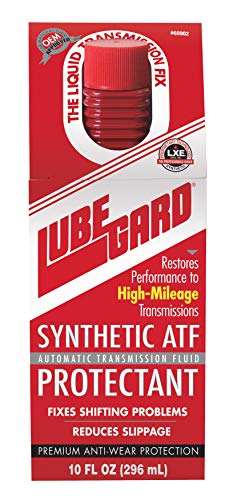
Lubegard 60902 Automatic Transmission Fluid Protectant, 10 oz
Fit type: Universal Fit
As an affiliate, we earn on qualifying purchases.
As an affiliate, we earn on qualifying purchases.
Frequently Asked Questions
Can I Use Non-Standard Additives in My ATF?
You shouldn’t use non-standard additives in your ATF because they can compromise additive compatibility and performance. These additives are specially formulated to work with the base fluid and other components, ensuring smooth operation. Introducing incompatible additives risks damaging your transmission and reducing its lifespan. Stick to recommended additives, and always consult your vehicle’s manual or a professional before making any changes. This helps maintain peak performance and avoids costly repairs.
How Often Should Additives Be Replaced in ATF?
You should follow the manufacturer’s recommended replacement intervals for additives in your ATF, typically every 30,000 to 50,000 miles. Additive longevity varies based on driving conditions, but neglecting timely replacement can lead to reduced transmission performance. Regularly check and top off additives as needed, understanding that maintaining ideal additive levels ensures your transmission runs smoothly and prolongs its lifespan, even if it seems like a small detail.
Do Additives Affect Transmission Warranty Coverage?
Yes, additives can affect your transmission warranty coverage if they impact transmission fluid compatibility or interfere with proper function. Using incompatible additives or neglecting their recommended additive longevity might cause damage, voiding your warranty. Always follow manufacturer guidelines to guarantee additives work effectively within their lifespan. Regularly check and replace additives as needed to maintain ideal transmission performance and protect your warranty coverage.
Are All Additives Compatible With Synthetic ATF?
Think of additives in synthetic ATF like puzzle pieces—some fit perfectly, others clash. Not all additives are compatible, so compatibility concerns and additive interactions matter. You need to check manufacturer guidelines because incompatible additives can cause issues like foaming or corrosion. Always choose additives designed for synthetic ATF, and be cautious about mixing to keep your transmission running smoothly, like a well-oiled machine.
What Are the Signs of Additive Failure in ATF?
You’ll notice additive failure in your ATF through signs like increased engine noise, rough shifting, or burning smell. Additive degradation can cause poor lubrication, while contamination indicators such as dark, dirty fluid or metal shavings signal that additives are no longer effective. These issues compromise transmission performance, so it’s essential to monitor your fluid regularly and replace it when these signs appear to prevent costly repairs.

Genuine Ford Fluid XL-3 Friction Modifier Additive – 4 oz.
For use on certain limited-slip differentials to reduce chatter and hypoid gear noise levels
As an affiliate, we earn on qualifying purchases.
As an affiliate, we earn on qualifying purchases.
Conclusion
Think of additives in ATF as the unseen guardians of your transmission’s health. Without them, your fluid’s armor weakens, leaving your system vulnerable to wear and tear. Just like a shield that symbolizes protection and strength, these additives safeguard your vehicle’s future. Skipping them isn’t an option—you’re risking the very essence of your transmission’s longevity. Embrace them as the essential symbols of care, ensuring your drive remains smooth, reliable, and resilient for miles to come.

WD-40 Specialist Corrosion Inhibitor, Long-Lasting Anti-Rust Spray, 6.5 OZ
Coats metal parts to lubricate and protect against rust and corrosion by blocking out air and moisture. Protects…
As an affiliate, we earn on qualifying purchases.
As an affiliate, we earn on qualifying purchases.

Hot Shot’s Secret Shift Restore 16 fl oz – Treats 10 Quarts – Automatic Transmission Additive, Reduces Rough Shifting, Slipping and Heat
Reduces operating temperatures
As an affiliate, we earn on qualifying purchases.
As an affiliate, we earn on qualifying purchases.