
Your transmission’s temperature threshold is typically around 220°F to 250°F. When it exceeds this range, it accelerates wear on seals, clutch plates, and other components, leading to early failure and costly repairs. Keeping an eye on transmission temperature and taking preventive measures like cooling upgrades or fluid checks can help you avoid damaging heat levels. To learn more about how to protect your vehicle and extend its lifespan, keep exploring below.
Key Takeaways
- Transmission temperatures above 250°F (121°C) significantly increase the risk of seal, clutch, and component failure.
- Operating consistently over 220°F (105°C) accelerates fluid degradation and damage to internal transmission parts.
- Maintaining transmission temperatures within 170°F–225°F (77°C–107°C) helps prevent early failure and prolongs lifespan.
- Excessive heat from towing, heavy loads, or cooling system failure elevates failure risk by surpassing safe temperature thresholds.
- Regular monitoring and cooling system maintenance are critical to keep transmission temperature below failure-inducing levels.

GlowShift Tinted 7 Color 260F Automatic Transmission Temp Gauge Kit – Includes 1/8-27 NPT Electronic Sensor & Wiring – Multi-Color Display – Black Dial – Smoked Lens – for Car & Truck – 2-1/16" 52mm
GlowShift Tinted 7 Color Series Transmission Temperature Gauge is Designed to Monitor & Display the Fluid Temperature Running…
As an affiliate, we earn on qualifying purchases.
As an affiliate, we earn on qualifying purchases.
Why Transmission Temperature Matters for Your Vehicle’s Longevity
Maintaining the proper transmission temperature is crucial because excessive heat accelerates wear and damages key components. When your transmission runs too hot, the fluid loses its viscosity, increasing friction and metal fatigue. This can cause seals to harden, clutch plates to slip, and valves to stick, leading to poor shifting and reduced efficiency. High temperatures also promote varnish and deposit buildup inside the valve body, impairing fluid flow. Over time, these issues weaken the transmission’s core parts, risking costly failures. Keeping the temperature within the ideal range ensures the fluid maintains its properties, reducing wear and extending component lifespan. Proper temperature management helps your transmission operate smoothly, prevents breakdowns, and ultimately prolongs your vehicle’s life. Additionally, understanding transmission heat and how it affects performance can aid in early diagnosis and maintenance.

Transmission Cooling System Upgrade Kit for GM 6L80 6L90, 8L80 8L90E, and 10L90-2014-Up Models, with Superior Cooler Flow Bypass Valve Kit (Replace #STL010)
Adaptation Model: This Transmission Cooling System Upgrade Kit fits perfectly on all 2014-up 6L80/90, and now it also…
As an affiliate, we earn on qualifying purchases.
As an affiliate, we earn on qualifying purchases.
Normal Transmission Temperature Ranges and When They Cross the Line
Understanding the normal transmission temperature range is essential for keeping your vehicle running smoothly. Typically, your transmission should operate between 175°F and 225°F (80°C–107°C). If it hits 225°F to 240°F (107°C–115°C), you’re entering the caution zone, where performance issues and fluid oxidation can start. Above 250°F (121°C), you’re in the danger zone, risking seals, friction plates, and valves failing. For ideal operation, aim for a temperature between 175°F and 220°F, with most vehicles staying within 170°F to 225°F. Temperatures climbing beyond 200°F signal potential problems, and exceeding 220°F degrades fluid stability and accelerates component wear. Monitoring your transmission temperature ensures you stay within safe limits and prevent costly damage, especially considering the importance of digital monitoring tools in maintaining optimal transmission health.

Transmission Fluid Tester Kit Gasoline & Diesel Gearbox Oil Diagnostic Tool High-Precision Diagnostic Analysis Tool with 31.5in Probe Transmittance/Temperature Testing, 2.8in Display (4 Batteries)
【WHY NEED IT】Our transmission fluid tester features an advanced optical probe that measures light transmittance within the transmission…
As an affiliate, we earn on qualifying purchases.
As an affiliate, we earn on qualifying purchases.
Signs Your Transmission Is Overheating and What to Watch For
When your transmission starts to overheat, certain warning signs become hard to ignore. You might notice the transmission warning light flickering or illuminating on your dashboard. Sluggish shifting, delays in gear engagement, or slipping gears are common indicators. You could also feel a burning smell coming from under the hood, signaling excessive heat. If your fluid level is low, the transmission may feel hotter than usual or appear discolored. Additionally, you might experience increased vibrations or noise during operation. Pay attention to any sudden changes in performance, especially when driving under heavy loads or uphill. Recognizing these signs early helps prevent serious damage, so don’t ignore unusual behavior or warning lights—address overheating issues promptly. Monitoring transmission temperature regularly can help you catch problems before they escalate.

ANCEL BM200 PRO 12V Car Battery Monitor, 433MHz Wireless Transmission Battery Tester with Cranking Charging Test, Voltage & Temperature & Alarm Real-Time Monitoring for Car, Motocycle, RV, Truck, Boat
【All-in-One Wireless Battery Monitor】ANCEL BM200 PRO is a 12V lead-acid battery monitor that integrates wireless transmission, multifunctional testing,…
As an affiliate, we earn on qualifying purchases.
As an affiliate, we earn on qualifying purchases.
Common Causes of Transmission Overheating
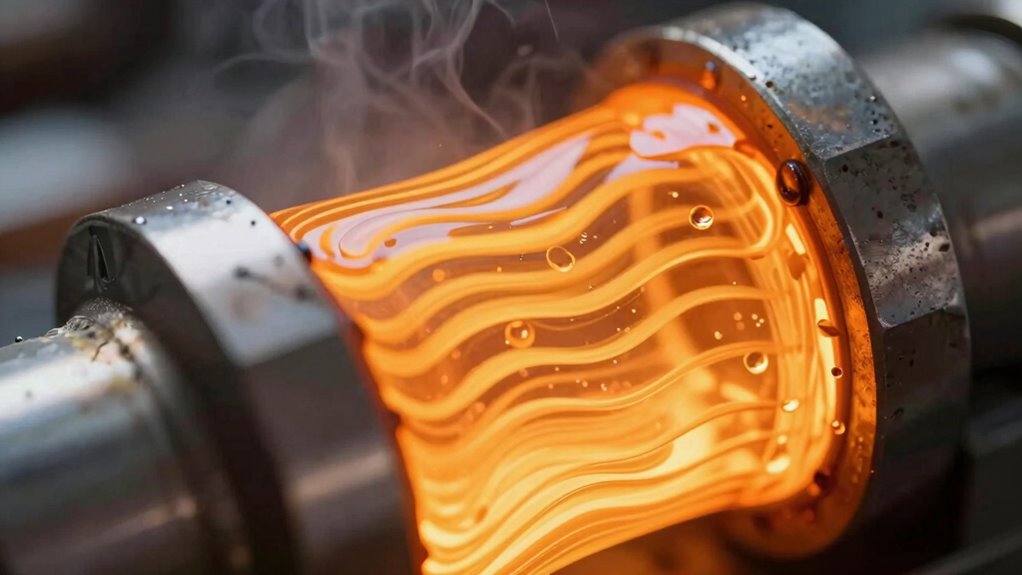
You might notice your transmission overheating if there’s poor fluid circulation or if the torque converter is working overtime under heavy loads. When fluid isn’t moving properly, it can’t cool effectively, leading to higher temperatures. Excessive torque, like climbing steep hills or towing, also generates more heat and stresses the system. Using proper cooling techniques can help prevent this issue by maintaining optimal operating temperatures.
Fluid Circulation Failures
Fluid circulation failures are a leading cause of transmission overheating because they prevent heat from being effectively transferred away from critical components. When the pump fails or becomes clogged, fluid can’t flow properly, leading to hotspots that accelerate damage. A worn or damaged pump reduces pressure, impairing fluid movement and cooling efficiency. Similarly, debris or dirt blocking screens restrict flow, trapping heat inside the transmission. Without proper circulation, the fluid’s ability to carry away heat diminishes, causing temperatures to rise quickly. This overheating stresses seals, clutches, and valves, increasing wear and risk of failure. Regular maintenance, including fluid and filter checks, helps prevent circulation issues. Ensuring the pump functions correctly and screens are clear keeps the cooling system working efficiently and protects your transmission from excessive heat damage.
Excessive Torque Loads
Ever wonder why your transmission heats up during heavy-duty tasks? Excessive torque loads are a primary cause. When you’re climbing steep hills, towing heavy trailers, or pushing your vehicle beyond normal limits, your transmission has to work harder to transfer power. This increased effort generates more heat, especially in the torque converter, which produces most of the heat under high torque conditions. If your transmission isn’t properly cooled or if components like the fluid pump fail, heat builds up rapidly. Over time, this excess torque causes fluid shearing, seals to harden, and friction components to wear faster. The result? Your transmission overheats, risking damage and failure if you don’t take steps to manage these heavy loads. Proper transmission cooling is essential to prevent overheating and prolong your transmission’s lifespan.
How to Prevent Transmission Overheating and Protect Your Components
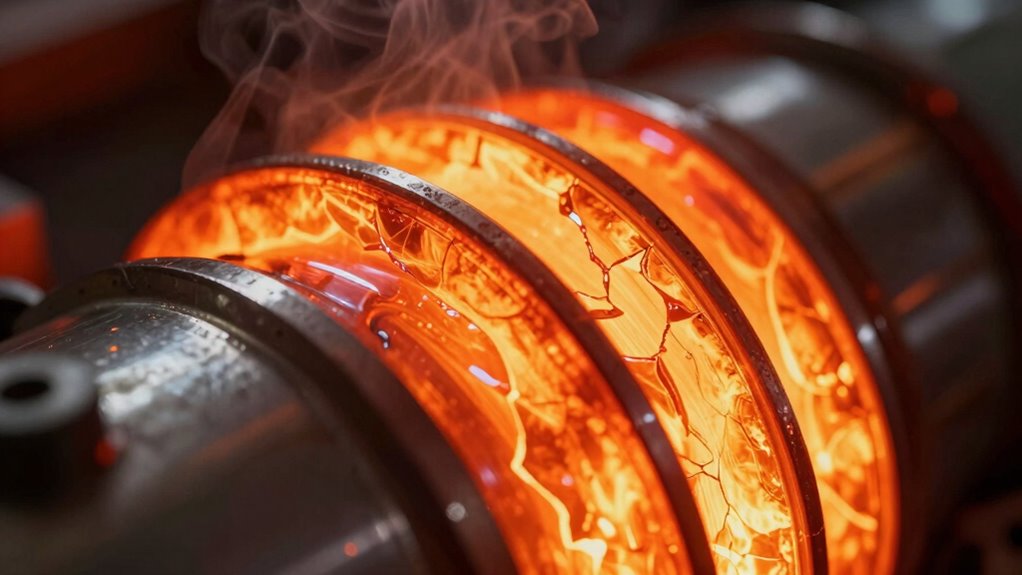
Preventing transmission overheating requires proactive measures to keep temperatures within the ideal range of 175°F to 220°F. Regularly check your fluid levels and top off or change fluid as needed, especially under heavy loads or high-stress conditions. Install transmission cooling circuits or external coolers to help dissipate excess heat effectively. Monitor warning lights and perform scheduled maintenance to catch issues early. Use the correct type of transmission fluid suited for your driving conditions, as specified by your vehicle manufacturer. Address any defective solenoids or components that could impede proper fluid flow. Avoid overloading your vehicle or pushing it to its limits without proper cooling. Be aware that thermal management is essential for maintaining optimal transmission performance. By staying vigilant and performing routine maintenance, you can considerably reduce the risk of overheating and extend your transmission’s lifespan.
Critical Temperature Thresholds That Signal Potential Damage
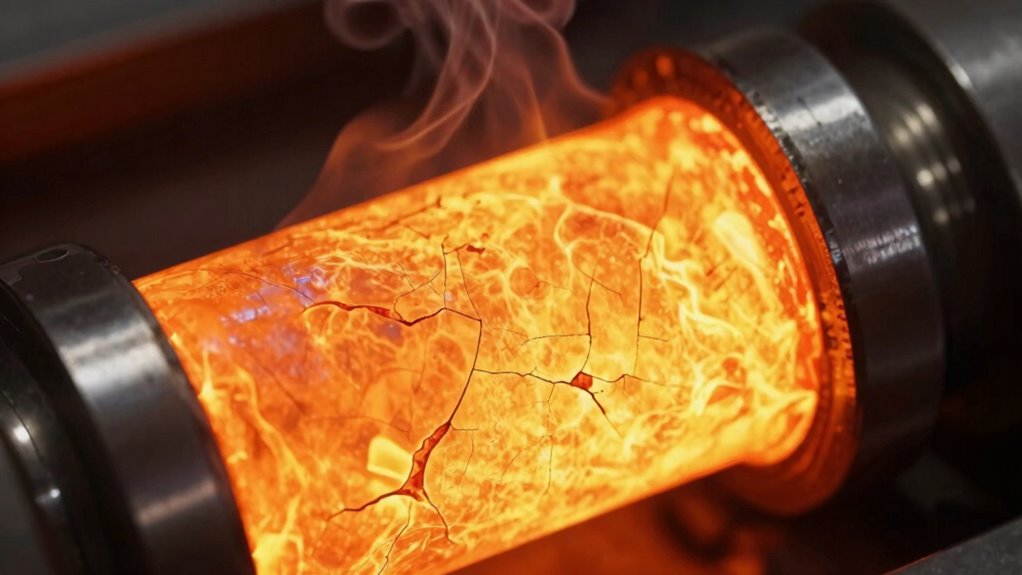
Monitoring transmission temperature closely helps you catch signs of impending damage before costly repairs occur. When your transmission hits 200°F, it’s a warning sign that overheating could soon cause serious issues. As temperatures rise above 220°F, the chemical stability of your transmission fluid begins to degrade, considerably shortening its lifespan. Once temperatures reach 240°F, varnish deposits start forming, which can clog valves and reduce performance. The danger zone begins above 250°F, where seals, friction plates, and valves risk failure due to extreme heat. Prolonged exposure to these thresholds accelerates component wear, causes gear slipping, and ultimately leads to complete transmission failure. Recognizing these critical thresholds allows you to take proactive steps to prevent damage and extend your transmission’s life. Environmental impact of tissue paper is an example of how understanding material properties can lead to more sustainable choices in product design.
How to Monitor Your Transmission Temperature Effectively

To keep your transmission running smoothly, you need to monitor its temperature regularly. Installing reliable sensors, using scan tools, and checking fluctuations help you catch issues before they escalate. Consistent monitoring guarantees you stay within the safe temperature range and avoid costly damage. Regularly practicing body awareness techniques can also help you recognize physical signs of transmission overheating before it becomes critical.
Installing Temperature Sensors
Installing temperature sensors is a straightforward way to keep a close eye on your transmission’s heat levels and avoid costly damage. They provide real-time data, helping you catch overheating early. To install one, locate a suitable port or drill a small hole into the transmission pan or cooler line. Attach the sensor securely, ensuring it contacts the fluid or is placed in direct contact with the transmission housing. Connect the sensor to a compatible gauge or monitor to read the temperatures easily. Proper installation ensures accurate temperature readings, which is essential for making informed decisions about your vehicle’s health.
- Choose a sensor rated for automotive transmission temperatures
- Use high-temperature wiring and connectors for durability
- Mount the sensor in a spot with good fluid contact
- Regularly calibrate your sensor for accurate readings
Using Scan Tools
Want an efficient way to keep track of your transmission’s heat levels? Using scan tools makes this easy. These devices connect to your vehicle’s OBD-II port, giving real-time data right on your screen. You can monitor transmission temperature without guesswork, catching issues early. Here’s what to expect:
| Temperature Range | Effect |
|---|---|
| 175°F–225°F | Normal operation, fluid viscosity intact |
| 225°F–240°F | Caution zone, performance issues may start |
| Above 250°F | Danger zone, risk of component failure |
| 200°F | Indicates potential overheating, act promptly |
| 240°F+ | Varnish formation, possible damage to internal parts |
Regularly checking these readings helps you prevent costly repairs and ensures your transmission stays within safe limits. Monitoring transmission temperature is an important step in maintaining your vehicle’s longevity and performance.
Monitoring Fluctuations Regularly
Regularly monitoring your transmission temperature fluctuations allows you to catch potential issues early before they cause serious damage. Keeping an eye on temperature changes helps you identify when it’s approaching risky zones, so you can take action before costly repairs are needed. Use a reliable temperature gauge or scan tool to track readings during different driving conditions. Pay attention to sudden spikes or sustained high temps, especially above 200°F. Regular checks enable you to spot trends indicating cooling system issues or overloading. Make it a habit to monitor during long drives, towing, or on hot days. Proper temperature management ensures your transmission operates within safe limits and prolongs its lifespan.
Cooling Solutions to Keep Transmission Temperatures in Check
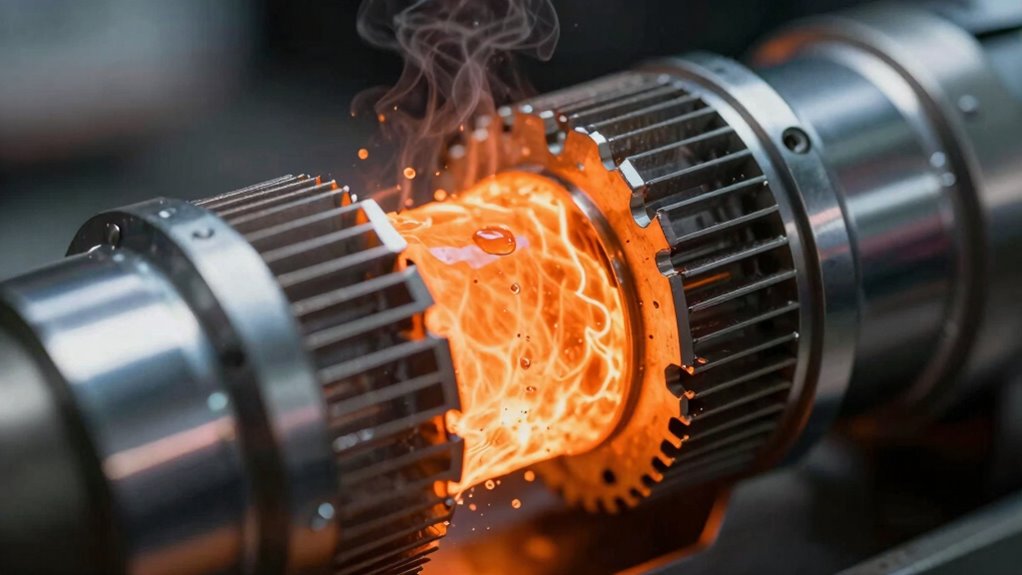
To effectively prevent transmission overheating, implementing cooling solutions is essential. You can start by installing an external transmission cooler, which helps dissipate heat more efficiently than relying on the radiator alone. Confirm your vehicle’s cooling system is in top shape, with clean, unobstructed radiator fins and a functioning thermostat. Regularly inspect and replace transmission fluid, especially when hauling heavy loads or towing. Consider adding a transmission temperature gauge to monitor heat levels in real-time. Upgrading the transmission fluid with high-performance, heat-resistant options also helps maintain ideal viscosity and prevents breakdown under high temperatures. Additionally, maintaining accurate fluid levels is crucial, as low levels hinder heat dissipation and accelerate damage. These measures work together to keep temperatures within safe limits, extending your transmission’s lifespan.
Choosing the Best Transmission Fluid for Heat Resistance
When choosing transmission fluid for heat resistance, you need to take into account its viscosity stability under high temperatures to prevent breakdown. It’s also important to check additive compatibility to ensure the fluid can handle harsh conditions without losing effectiveness. Finally, verify the temperature tolerance range to pick a fluid that can maintain performance and protect your transmission in extreme heat. Incorporating proper maintenance practices can further extend the lifespan of your transmission and ensure optimal operation.
Fluid Viscosity Resistance
How well a transmission fluid resists changes in viscosity under high heat conditions is essential for maintaining ideal transmission performance. If the fluid thins too much, it can’t lubricate components properly, leading to increased wear and potential failure. Conversely, fluids that maintain viscosity prevent metal-on-metal contact and reduce friction. To choose the best heat-resistant transmission fluid, consider these factors:
- Thermal stability ensures the fluid won’t break down at high temperatures.
- Viscosity index indicates how well the fluid maintains consistent viscosity across temperature ranges.
- Shear stability prevents the fluid from thinning due to mechanical stress.
- Additive packages enhance viscosity retention and protect against oxidation under heat stress. Regularly monitoring fluid properties can help identify early signs of degradation. Selecting a fluid with high viscosity resistance helps extend transmission life and reduces overheating risks.
Additive Compatibility Factors
Choosing the right transmission fluid involves considering how well additive packages work together to enhance heat resistance. Look for fluids with additives like friction modifiers, antioxidants, and anti-wear agents, as they collectively protect components under high temperatures. Compatibility is key—some additives can react negatively when mixed, causing sludge or deposit formation. Verify the fluid’s additive package matches your vehicle’s specifications and operating conditions. High-quality fluids often feature advanced additive technology designed to withstand thermal stress, reducing oxidation and deposit buildup. Check manufacturer recommendations to confirm the additive compatibility with your transmission’s materials. Proper additive compatibility ensures the fluid maintains its protective properties longer, even in the face of elevated temperatures, thereby extending transmission life and preventing failure caused by heat-related breakdowns. Free Floating
Temperature Tolerance Range
Selecting a transmission fluid with the right temperature tolerance guarantees your system can handle high heat without breakdowns. You need fluids rated to withstand temperatures above the normal operating range without degrading or losing effectiveness. Look for fluids that maintain viscosity and chemical stability up to at least 240°F (115°C), preventing varnish buildup and component wear.
Consider these factors:
- Fluids designed for high-temperature environments
- Ability to resist oxidation and breakdown at elevated temps
- Compatibility with your vehicle’s transmission components
- Clear specifications on maximum temperature tolerance
Choosing fluids with an appropriate temperature range ensures your transmission remains protected during demanding conditions, reducing overheating risks and prolonging system life. Always match the fluid’s tolerance to your driving habits and operating environment.
Tips for Maintaining Your Transmission and Avoiding Overheat Damage
To prevent your transmission from overheating and suffering costly damage, regular maintenance and vigilant monitoring are essential. Check your fluid levels frequently and top off as needed, especially before demanding drives. Change transmission fluid more often if you tow heavy loads or drive in extreme conditions. Install an external cooler or upgrade your existing cooling system to help dissipate heat more effectively. Keep an eye on warning lights and temperature gauges; don’t ignore signs of overheating. Use the correct transmission fluid specified for your vehicle to maintain proper viscosity and protection. Address any issues with solenoids or pumps promptly, as they impact fluid flow and cooling. Regularly inspecting household safety features like coolant reservoirs and radiator caps can help prevent overheating issues. Consistent maintenance and proactive measures keep your transmission within safe temperature ranges, extending its lifespan and preventing expensive repairs.
Frequently Asked Questions
How Does Transmission Fluid Degradation Affect Overall Vehicle Performance?
When your transmission fluid degrades, you notice slower shifts, reduced responsiveness, and potential slipping. The fluid loses viscosity, increasing friction and wear on metal parts. Seals harden, causing leaks, and clutches can burn out. Over time, varnish builds up, clogging valves and impairing performance. This degradation accelerates component damage, risking transmission failure, and ultimately leaves your vehicle sluggish, less efficient, and more prone to costly repairs.
What Are the Long-Term Effects of Repeated Overheating Episodes?
Repeated overheating turns your transmission into a ticking time bomb, causing irreversible damage. Think of the fluid as blood—when it’s repeatedly burned, it thickens, loses its lubricating powers, and deposits varnish on essential parts. Over time, seals harden, gears slip, and components wear faster. This relentless cycle leads to costly failures, leaving you stranded and facing major repairs. Regular maintenance and cooling are your best defenses against this destructive heat cycle.
Can Aftermarket Coolers Significantly Extend Transmission Lifespan?
Yes, aftermarket coolers can substantially extend your transmission’s lifespan. They help keep fluid temperatures within the ideal range, preventing overheating and degradation. By improving cooling efficiency, they reduce the risk of fluid breakdown, varnish formation, and component wear. Regularly maintaining and upgrading your cooling system ensures your transmission operates smoothly, especially under heavy loads or high-stress conditions, ultimately saving you from costly repairs and premature failure.
How Often Should Transmission Fluid Be Checked During High-Stress Driving?
You should check your transmission fluid at least every 3,000 to 5,000 miles during high-stress driving, especially if you’re towing or driving in hot conditions. Regular inspections help you catch low fluid levels or contamination early, preventing overheating. Keep an eye on the fluid’s color and smell, and top it off or change it as recommended by your vehicle manufacturer to guarantee maximum performance and avoid costly damage.
Are There Specific Driving Habits That Increase Transmission Overheating Risk?
You increase your risk of transmission overheating by towing heavy loads, rapid acceleration, and frequent stopping. Consistently high speeds, aggressive driving, and neglecting regular fluid checks also contribute. When you drive under high stress without proper cooling or maintenance, your transmission works harder, generating more heat. To prevent damage, avoid aggressive driving, stay within recommended speed limits, and perform routine maintenance, especially during demanding driving conditions.
Conclusion
Keeping an eye on your transmission temperature isn’t just about avoiding breakdowns; it’s about trusting that small, everyday choices prevent bigger failures down the line. Sometimes, a simple check or a quick cooling fix can be the coincidence that saves your vehicle’s future. Remember, the heat warning signs are subtle hints—listen to them, and you’ll guarantee your drive stays smooth and reliable, proving that prevention truly is the best form of preservation.