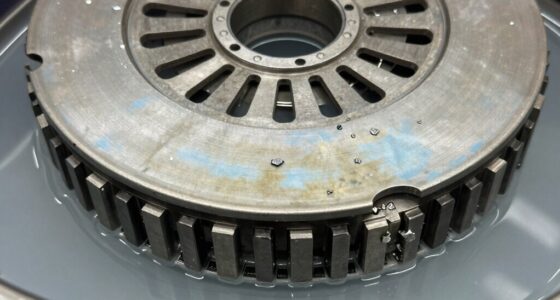

The term “lifetime fluid” suggests you can ignore regular fluid changes, but that’s a misconception. It actually refers to the estimated time a manufacturer expects the fluid to perform well under normal conditions, not forever. Over time, fluids can degrade or get contaminated, risking damage to your vehicle’s components. Knowing the truth can help you avoid costly repairs, so keep an eye on maintenance guidelines to keep your ride running smoothly. If you want to understand more, there’s plenty to learn.

Get business pricing on garage and car supplies
- Business-only prices and quantity discounts
- Tax-exempt purchasing
- Multiple users, one account, clear invoices
Key Takeaways
- “Lifetime fluid” is based on manufacturer estimates, not an indefinite lifespan, and requires proper maintenance.
- It does not mean the fluid never needs replacement; regular checks are essential.
- Driving conditions and vehicle use can accelerate fluid degradation, contradicting the “lifetime” assumption.
- Relying solely on the label can lead to neglecting necessary inspections and maintenance.
- Proper maintenance and timely fluid changes are crucial to vehicle health, regardless of the “lifetime” label.

Have you ever wondered what “lifetime fluid” really means? It’s a term that’s often tossed around in the automotive world, but many drivers misunderstand its true significance. When you hear “lifetime fluid,” you might assume it means you never need to change it—like it’s designed to last forever without maintenance. However, that’s a common oil change myth that can lead you to neglect necessary upkeep, risking your vehicle’s longevity. The phrase can be misleading because it suggests a one-and-done scenario, but in reality, fluids such as transmission fluid or coolant still require attention over your vehicle’s lifespan. Manufacturers label some fluids as “lifetime” to simplify maintenance schedules, but this doesn’t mean they’re invincible or immune to degradation.
The truth is, “lifetime fluid” is more about the manufacturer’s estimate of how long that fluid can perform effectively under normal driving conditions. It’s based on testing and assumptions, not an indefinite lifespan. Over time, even the best fluids break down or become contaminated, losing their ability to protect essential components. Relying solely on the “lifetime” label can give you a false sense of security, leading you to skip regular inspections or fluid changes. This can be detrimental to your vehicle’s health, especially if you’re pushing it hard or driving in extreme conditions, which often accelerate fluid wear. Understanding fluid degradation helps you make better maintenance decisions to keep your vehicle running smoothly.
Understanding the limits of “lifetime fluid” is key to maintaining vehicle longevity. Just because a fluid is labeled as such doesn’t mean you should ignore routine maintenance. Following your manufacturer’s recommended service intervals is indispensable. Regular checks and fluid replacements help prevent issues like overheating, corrosion, or component failure, all of which can be costly and reduce your vehicle’s lifespan. Think of “lifetime” more as an estimated timeframe rather than an absolute. It’s a guideline, not a guarantee, and staying proactive with maintenance ensures your vehicle performs at its best for years to come.
In the end, don’t fall for the myth that “lifetime fluid” means never changing your fluids. Instead, see it as an indication that the fluid should last a long while under normal conditions, but not indefinitely. Proper care, including timely fluid changes and inspections, is what truly supports your vehicle’s longevity. By understanding this, you avoid unnecessary repairs and keep your car running smoothly longer, proving that good maintenance beats misconceptions any time.
transmission fluid replacement kit
As an affiliate, we earn on qualifying purchases.
As an affiliate, we earn on qualifying purchases.
Frequently Asked Questions
Can Lifetime Fluids Be Recycled or Reused?
Lifetime fluids generally can’t be recycled or reused because they tend to degrade over time, affecting their performance and safety. When you need to dispose of them, proper fluid disposal is vital to minimize environmental impact. Reusing or recycling these fluids can pose risks, so it’s best to follow local regulations. Proper disposal helps protect the environment and ensures safety, preventing contamination and pollution.
How Often Should I Check My Lifetime Fluid Levels?
Your vehicle’s fluid levels are vital to its performance, so check them at least once a month or more frequently if you notice leaks or performance issues. While ‘lifetime’ fluids are designed for extended fluid longevity, they still require regular maintenance schedules to prevent damage. Don’t ignore your fluid levels—staying vigilant keeps your vehicle running smoothly and avoids costly repairs down the line.
Are Lifetime Fluids Suitable for All Vehicle Types?
Lifetime fluids aren’t suitable for all vehicle types because of differences in vehicle compatibility and fluid durability. You should check your vehicle’s manufacturer recommendations before using these fluids, as some models may require specific types for maximum performance. While lifetime fluids are designed to last longer, they may not withstand the conditions or demands of every vehicle, so always verify compatibility to guarantee your vehicle runs smoothly.
What Signs Indicate My Lifetime Fluid Needs Replacement?
You notice your vehicle’s performance slipping or strange noises during operation, which signals your lifetime fluid might need replacing. While fluid longevity varies, sticking to recommended maintenance schedules is essential. Regularly check for dark, dirty fluid or a burning smell, as these signs indicate it’s time for a change. Don’t wait for breakdowns; proactive maintenance keeps your vehicle running smoothly and preserves fluid effectiveness.
Do Lifetime Fluids Come With Warranties or Guarantees?
Lifetime fluids typically don’t come with warranties or guarantees because their fluid longevity isn’t always guaranteed. Manufacturers often promote them as long-lasting, but many factors can affect their performance over time. You should check the specific product details, as some brands may offer limited coverage. Remember, even lifetime fluids may need replacement eventually, so stay alert for signs of wear and follow recommended maintenance schedules.
As an affiliate, we earn on qualifying purchases.
Conclusion
So, now you see, “lifetime fluid” isn’t a never-ending story, but more like a fleeting whisper in the wind. Don’t be fooled into thinking it lasts forever; it’s just a marketing myth floating around. Remember, like a candle in the dark, its lifespan has limits. Stay informed, ask questions, and don’t let the hype blind you. Because in the end, understanding the truth is the key that unseals the real value.
As an affiliate, we earn on qualifying purchases.
lifetime fluid replacement parts
As an affiliate, we earn on qualifying purchases.
As an affiliate, we earn on qualifying purchases.
Columbus Day / Indigenous Peoples' Day Picks
long weekend sales
As an affiliate, we earn on qualifying purchases.