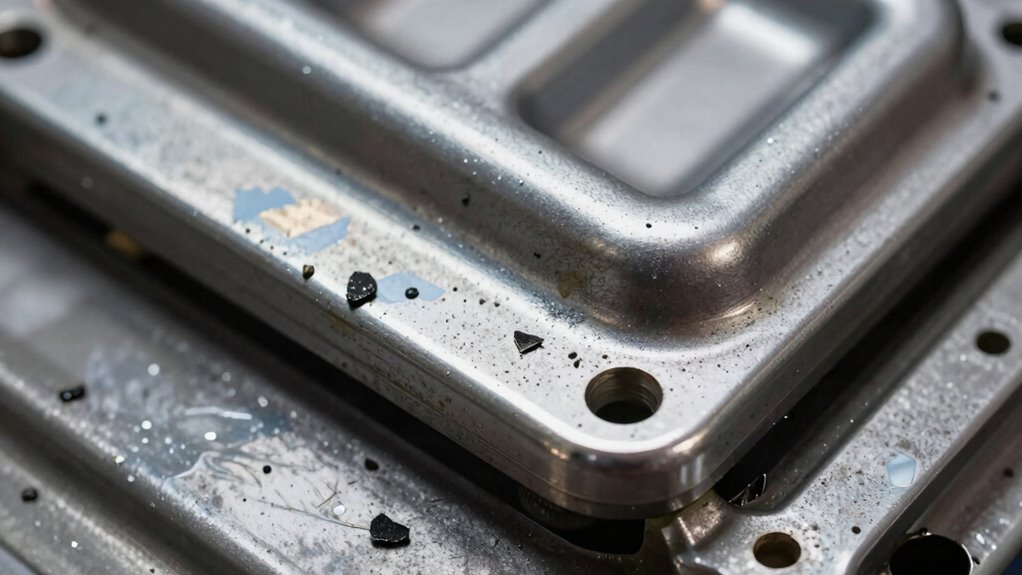

Pan magnets in automatic transmissions can help you spot signs of wear by catching metal debris, but they can’t tell you exactly what’s causing the problem or how severe it is. Tiny, uniform particles usually mean normal wear, while larger or abundant debris hints at potential issues. However, debris levels alone don’t provide a complete diagnosis. To better understand your transmission’s condition and what the debris means, keep exploring the details ahead.
Key Takeaways
- Pan magnets can detect metal debris indicating clutch wear or internal component damage.
- They cannot specify which parts are failing or diagnose the exact cause of debris.
- Normal, fine debris suggests typical clutch wear; large, coarse debris may signal significant issues.
- Sudden increases in debris size or amount should prompt further professional inspection.
- Regular monitoring of pan magnet debris helps early detection but should be supplemented with comprehensive diagnosis.
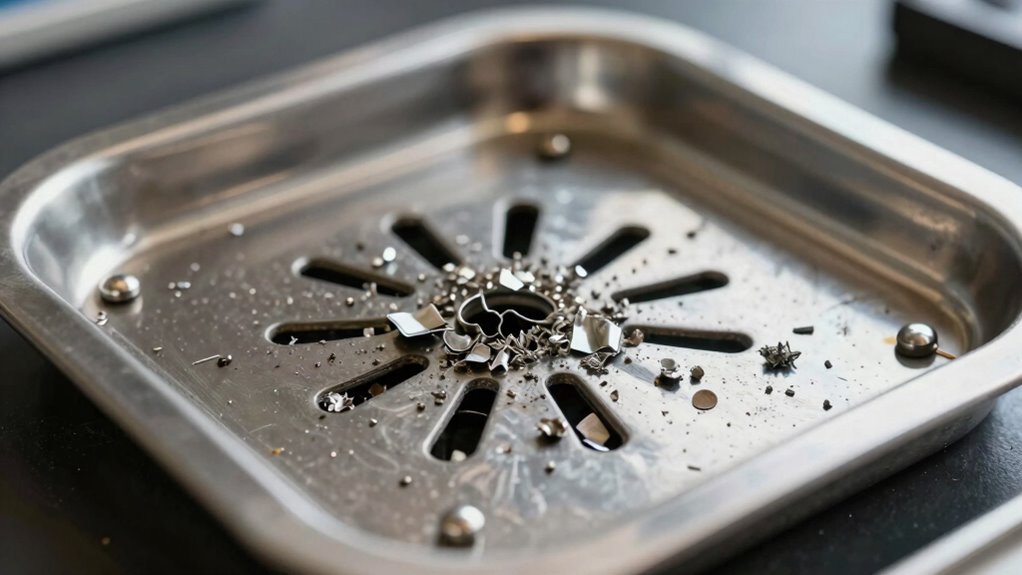
Have you ever wondered what those tiny metal shavings or debris in your automatic transmission mean? When you check the transmission pan and see small metal particles on the magnet or in the fluid, it’s natural to be concerned. These particles can tell you a lot about your transmission’s health, especially when it comes to clutch wear and fluid contamination. But it’s important to understand what they actually indicate and what they don’t.
Clutch wear is a common source of metal debris in automatic transmissions. Over time, the friction plates inside the transmission’s clutch packs naturally wear down, producing tiny metal fragments. When clutch wear accelerates prematurely, you might notice more metal particles than usual. These particles are often fine and uniform, indicating normal wear. However, if the debris is coarse or appears as larger chunks, it could signal excessive clutch wear or damage. Regular checks of the debris can help you catch clutch issues early, potentially preventing costly repairs.
Clutch wear causes tiny, often uniform metal particles indicating normal or accelerated clutch pack deterioration.
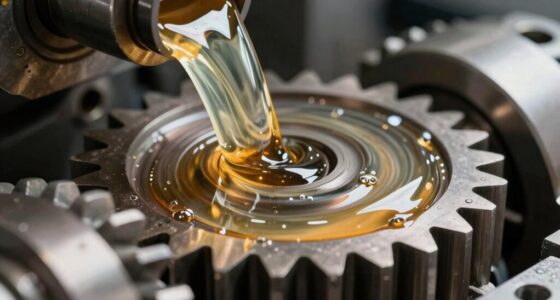
Fluid contamination is another key factor that shows up in the debris you find on pan magnets. If your transmission fluid becomes contaminated with dirt, debris, or other contaminants, it can accelerate wear of internal components, including clutches. Contaminated fluid often results in increased clutch wear and additional debris. When you see metal shavings mixed with dark, dirty fluid, it’s a sign that your transmission fluid isn’t doing its job properly. This can be caused by leaks, aging fluid, or external contaminants getting into the system. Addressing fluid contamination early can extend the life of your transmission and keep debris levels manageable. Proper maintenance and regular fluid changes are essential for reducing debris buildup and preventing further damage.
While pan magnets are useful for catching some debris and giving you clues about internal wear, they aren’t perfect diagnostic tools. They can’t tell you exactly what part is failing or how severe the damage is. For a holistic assessment, you’ll still need a professional diagnosis that might include fluid analysis, pressure tests, or internal inspections. Relying solely on debris in the pan can be misleading; some debris is normal, especially in older transmissions. It’s the sudden increase in metal particles or changes in debris size and type that should prompt concern.
In short, the debris on your transmission pan magnet can tell you a lot about clutch wear and fluid contamination, but it’s not a definitive diagnosis. Pay attention to the amount and type of debris, but always follow up with a qualified mechanic for a thorough evaluation. Regular fluid changes and inspections can help you stay ahead of potential issues, keeping your transmission running smoothly for longer.

Replace Part for 29535617 Automatic Transmission Fluid Pan Magnet Replacement Equipment 4 Pack
【Superior Quality & Magnetic Force】 Crafted from premium-grade magnetic material, durable and sturdy
As an affiliate, we earn on qualifying purchases.
As an affiliate, we earn on qualifying purchases.
Frequently Asked Questions
Can Transmission Debris Indicate Imminent Transmission Failure?
Yes, transmission debris can indicate imminent failure, especially if you notice increased fluid contamination or a sudden surge in debris on the pan magnet. Regular magnet maintenance helps spot signs early, like metal shavings or unusual particles, which warn you of potential issues. Keep an eye on debris buildup, as it’s a helpful indicator, but remember it’s not a definitive prediction—consult a professional for a thorough diagnosis.
How Often Should Transmission Pan Magnets Be Checked?
You should check your transmission pan magnets every 3,000 to 5,000 miles. For example, if debris frequency increases markedly, it could signal impending issues. Regularly clean the magnets to remove accumulated debris, preventing false alarms. Keeping an eye on debris buildup helps catch potential problems early. Consistent inspections enable you to maintain transmission health and avoid costly repairs down the line.
What Types of Debris Are Most Concerning in the Pan Magnet?
You should be most concerned about metal shavings and clutch material on the pan magnet. Metal shavings indicate excessive wear or damage to internal parts, signaling a potential failure. Clutch material debris suggests clutch wear or slipping issues. Both types of debris can warn you of serious transmission problems ahead. Regularly checking your pan magnet helps catch these issues early, preventing costly repairs and ensuring smoother transmission performance.
Can Debris Analysis Predict Future Transmission Problems?
Debris analysis can give you clues about future transmission problems, but it’s not a crystal ball. By checking fluid contamination levels and magnetic strength, you can spot early signs of wear and debris buildup. If you notice increased debris or weakened magnets, it’s a sign you should get your transmission checked soon. However, it doesn’t guarantee problems will happen, just alerts you to potential issues.
Are There Signs Beyond Debris That Signal Transmission Issues?
Yes, beyond debris, look for signs like fluid contamination and unusual transmission behavior. Fluid contamination, such as dark, burnt-smelling fluid, indicates internal issues. Wear particle analysis helps identify specific component wear, signaling potential problems before they worsen. If you notice slipping gears, delayed shifts, or overheating, these are warning signs. Regular inspections and fluid tests can catch issues early, helping you avoid costly repairs down the line.

BILITOOLS Transmission Fill Tool Aluminium, Compatible with Mercedes Benz 725.0 9G-Tronic 9-Speed Transmission Fluid ATF, Transmission Fill Adapter Oil Filling Oil Change Tool
Durable & Efficient Heavy-Duty Aluminum: The 9G-tronic ATF fill adapter set is specially designed with 4 pieces joints…
As an affiliate, we earn on qualifying purchases.
As an affiliate, we earn on qualifying purchases.
Conclusion
Your transmission pan magnet is like a tiny detective, revealing clues about your transmission’s health. But don’t rely on it to tell the full story—it’s more of a gossip columnist than a crystal ball. If you see debris, it’s a sign to get serious attention; ignore it, and you might end up with a transmission meltdown worthy of a Hollywood disaster movie. Stay vigilant, check that magnet, and keep your transmission running smoother than a race car on a straightaway!

Transmission Fluid Tester Kit Gasoline & Diesel Gearbox Oil Diagnostic Tool High-Precision Diagnostic Analysis Tool with 31.5in Probe Transmittance/Temperature Testing, 2.8in Display (4 Batteries)
【WHY NEED IT】Our transmission fluid tester features an advanced optical probe that measures light transmittance within the transmission…
As an affiliate, we earn on qualifying purchases.
As an affiliate, we earn on qualifying purchases.
Metal Detecting Waist Bag, Drop Leg Bags, Waterproof Metal Detector Tool Bag, for Outdoor Metal Detector Accessory (Tan)
【Sturdy Materia】Metal Detecting Drop Leg pouch Bag is made of 600D Metal Detecting Bag fabric, waterproof coating, military…
As an affiliate, we earn on qualifying purchases.
As an affiliate, we earn on qualifying purchases.