
To prevent moisture buildup, always follow the ‘opened bottle’ rule for brake fluid: use the fluid within six months of opening, keep the bottle tightly sealed when not in use, and discard any fluid that changes color or appears cloudy. Store it in a cool, dry place away from sunlight and humidity. Proper handling and storage maintain the fluid clean and effective, helping you maintain safe braking performance. If you want to guarantee your brake system stays reliable, keep exploring these tips.

Get business pricing on garage and car supplies
- Business-only prices and quantity discounts
- Tax-exempt purchasing
- Multiple users, one account, clear invoices
Key Takeaways
- Use brake fluid bottles within six months of opening to prevent moisture absorption and contamination.
- Keep containers tightly sealed when not in use to maintain fluid purity.
- Store brake fluid in a cool, dry environment away from humidity and direct sunlight.
- Avoid touching the inside of containers or caps to prevent introducing contaminants.
- Discard brake fluid if it changes color or appears cloudy, indicating moisture or contamination.
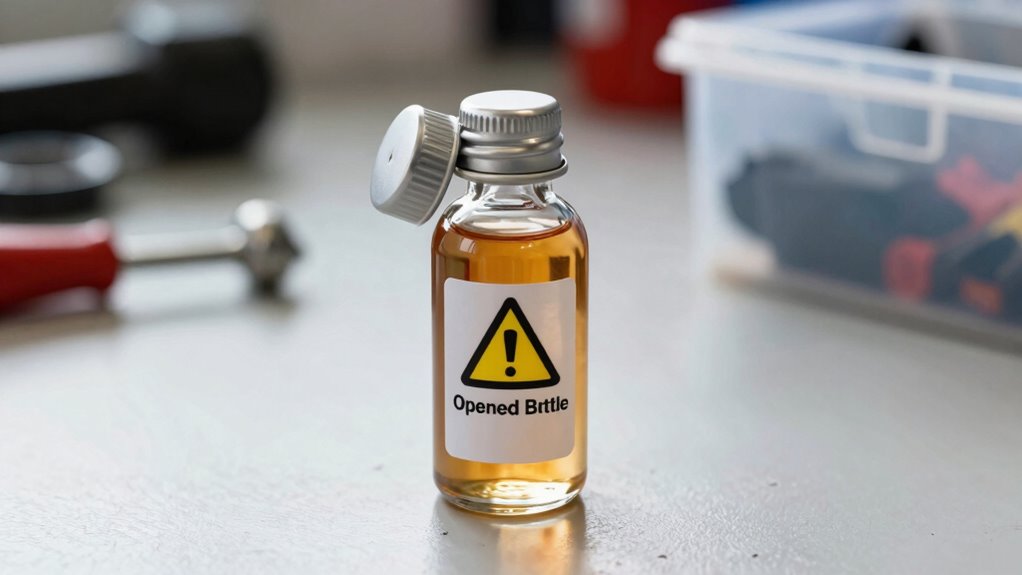
Proper brake fluid storage is essential to maintaining the performance and safety of your vehicle’s braking system. When you store brake fluid properly, you prevent issues like fluid contamination that can compromise your brakes’ effectiveness. The key lies in understanding how to keep the fluid pure and free from moisture, dirt, and other contaminants. One of the most effective ways to do this is by using appropriate storage containers and following the ‘opened bottle’ rule.
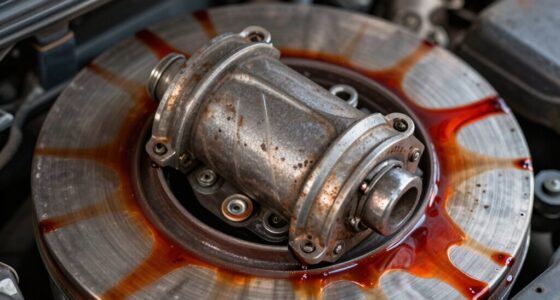
Fluid contamination is a common problem that can occur when brake fluid is exposed to air, moisture, or dirt. Moisture is particularly dangerous because it can cause corrosion within your brake components, leading to reduced braking power and potential failure. To avoid this, always ensure that your storage containers are sealed tightly after each use. Use high-quality, airtight containers specifically designed for brake fluid, as cheap or generic containers often don’t provide a proper seal, allowing moisture or contaminants to seep in. Proper storage containers are usually made of materials that won’t react with the brake fluid, like certain plastics or metals, ensuring the fluid remains uncontaminated over time.
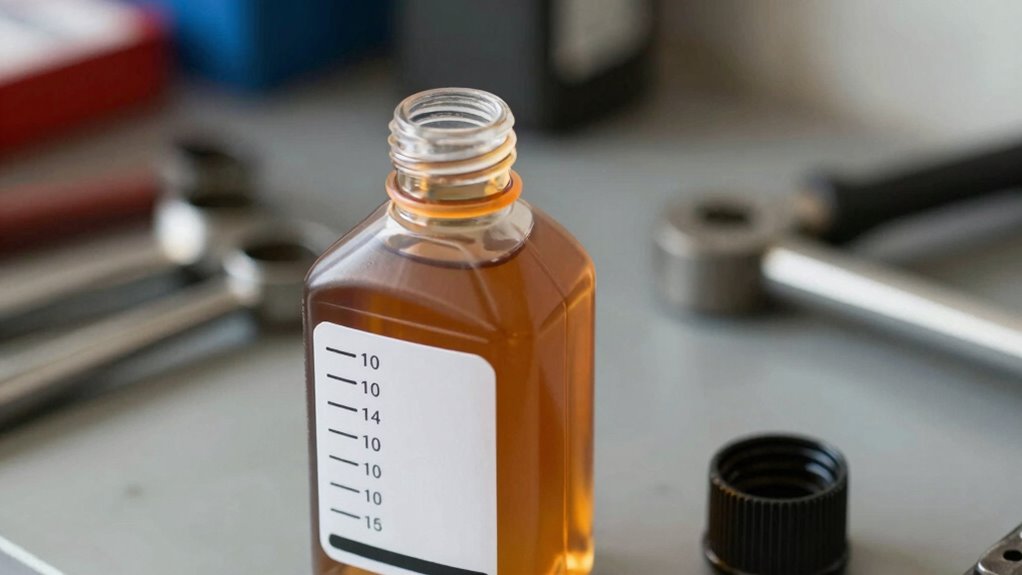
Seal storage containers tightly to prevent moisture and dirt contamination in brake fluid.
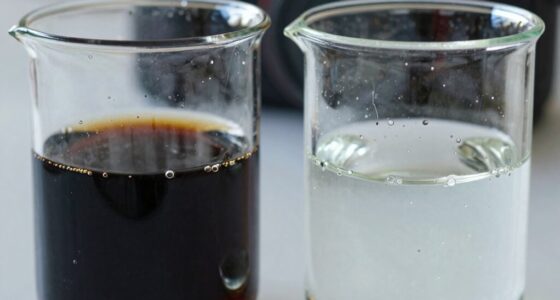
The ‘opened bottle’ rule is simple but crucial: once you open a bottle of brake fluid, you should use it within a specified period, usually six months, and always keep it tightly sealed when not in use. This prevents moisture from entering the container and keeps the fluid’s properties intact. If you notice the brake fluid has changed color or has a cloudy appearance, discard it immediately, as these are signs of contamination. Additionally, moisture absorption can occur over time even in sealed containers, so minimizing exposure is key to preserving the fluid’s quality.
Storing brake fluid in a cool, dry place is also vital. Avoid places with temperature fluctuations, high humidity, or direct sunlight, as these conditions can accelerate fluid degradation and promote contamination. When handling brake fluid, always use clean tools and avoid touching the inside of the container or cap, which could introduce dirt or oils that might contaminate the fluid.
Additionally, label your storage containers clearly so you know exactly when the fluid was opened and how long it’s been stored. This practice helps you keep track of the fluid’s age and ensures you’re not using contaminated or expired brake fluid. By following these guidelines—using proper storage containers, sealing them tightly after each use, and adhering to the ‘opened bottle’ rule—you substantially reduce the risk of fluid contamination. This simple yet effective approach helps sustain the brake fluid’s effectiveness, ensuring your vehicle’s braking system remains reliable and safe.
As an affiliate, we earn on qualifying purchases.
Frequently Asked Questions
How Long Does Brake Fluid Last Once Opened?
Once opened, you should use brake fluid within 1 to 2 years to prevent contamination. Proper storage is key; keep it in a sealed, airtight container made of glass or high-quality plastic to avoid moisture ingress and contamination. Avoid storing it in metal containers, which can cause corrosion. Regularly check for discoloration or debris, and always reseal the bottle tightly to maintain brake fluid quality and performance.
Can I Reuse Old Brake Fluid From an Opened Bottle?
Think of old brake fluid like spoiled milk—once contaminated, it’s best not to reuse it. Reusing old brake fluid risks brake failure due to contamination and moisture absorption. Always follow proper storage techniques and discard any fluid that’s been open too long or shows signs of contamination. Fresh brake fluid guarantees your braking system stays reliable and safe, so avoid reusing old fluid to keep your brakes working properly.
Is It Safe to Store Brake Fluid in the Garage?
Storing brake fluid in your garage can be safe if you follow proper garage safety guidelines. Keep the container tightly sealed, away from direct sunlight and heat sources, to prevent degradation. Regularly check for leaks and dispose of old or contaminated fluid responsibly, following proper fluid disposal procedures. Guarantee the storage area is well-ventilated, and keep the fluid out of reach of children or pets to avoid accidents.
What Are the Signs of Contaminated Brake Fluid?
Think of your brake fluid as a clear lake. If it turns cloudy or murky, it’s a sign of contamination. Common signs of moisture include a spongy brake pedal, a brake warning light, or a noticeable decrease in braking performance. Brake fluid contamination often results from moisture getting in, so watch for these signs to make sure your brakes stay reliable and safe.
Does Temperature Affect Brake Fluid Storage and Lifespan?
Yes, temperature affects brake fluid storage and lifespan. You need to maintain temperature stability by storing brake fluid in a cool, dark place with proper storage conditions. Fluctuating temperatures can cause moisture buildup or chemical breakdown, reducing fluid effectiveness. Always keep the bottle sealed tightly and avoid exposing it to extreme heat or cold, as these conditions accelerate deterioration and compromise brake system performance over time.
As an affiliate, we earn on qualifying purchases.
Conclusion
Remember, an open bottle of brake fluid is like a sinking ship in a sea of moisture—once exposed, it’s vulnerable to corrosion and damage. By sealing it tight and following the ‘opened bottle’ rule, you’re acting as a vigilant lighthouse, guiding your brake system away from hidden pitfalls. Keep moisture at bay, and your brake fluid will stay pure and powerful, ensuring your safety rides smoothly on the road’s endless voyage.
As an affiliate, we earn on qualifying purchases.
high-quality brake fluid storage
As an affiliate, we earn on qualifying purchases.
As an affiliate, we earn on qualifying purchases.
Fall Picks
fall essentials
As an affiliate, we earn on qualifying purchases.