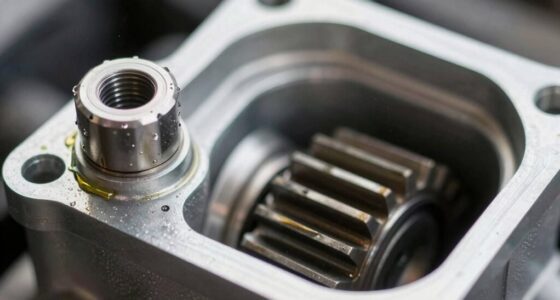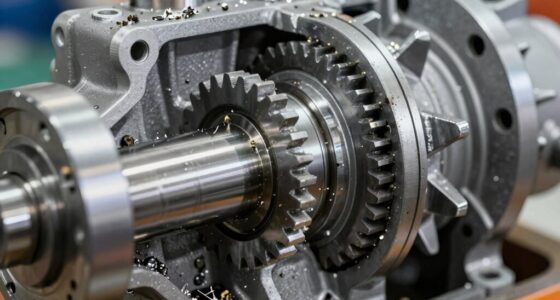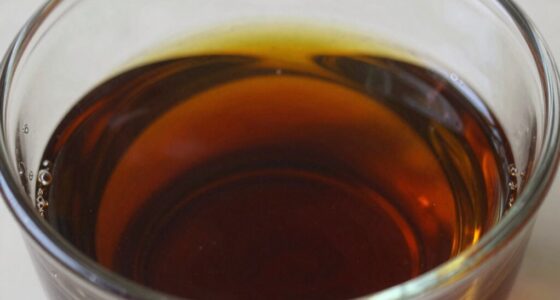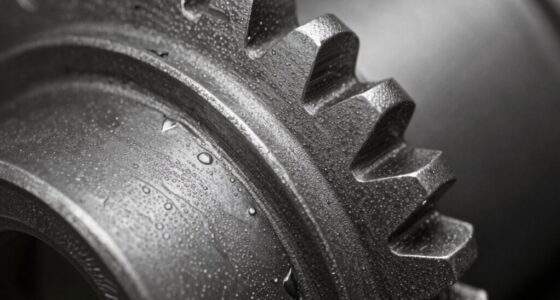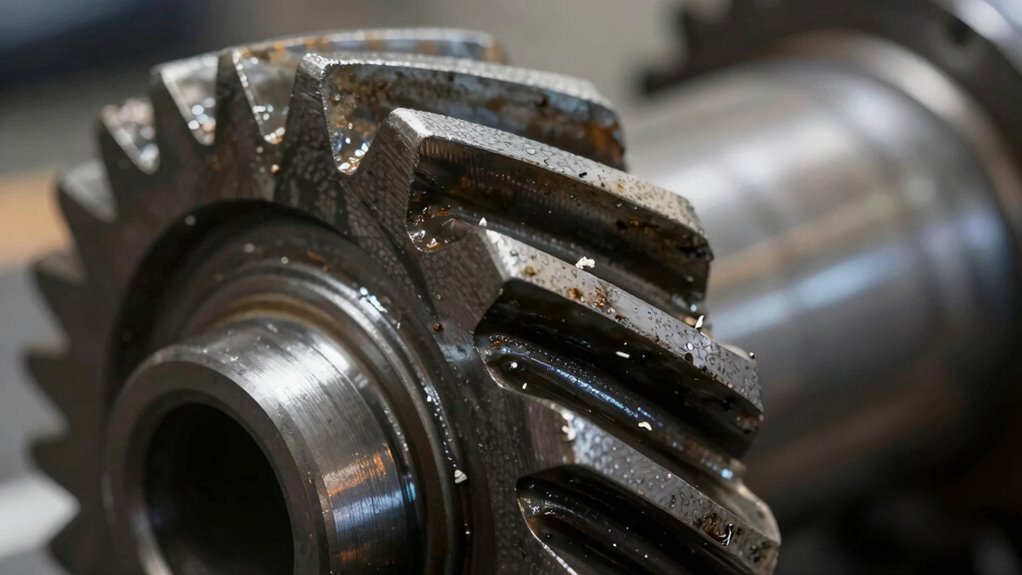
Even if your hypoid gear oil looks clean and normal, internal damage can already be happening. Wear, pitting, and chemical changes often occur beneath the surface without visible signs, weakening gear protection over time. Additive depletion, contaminants, and oxidation silently reduce oil effectiveness, risking sudden failure. To truly protect your gears, you’ll need to look beyond surface appearances and understand the real signs of oil health—continue to explore how you can detect these hidden issues.
Key Takeaways
- Internal oil degradation, like additive breakdown and oxidation, occurs without visible signs, compromising gear protection prematurely.
- Oil can appear clean and clear despite internal wear, contamination, or chemical changes that weaken its protective properties.
- Surface condition and oil appearance do not reflect internal damage or early signs of gear failure.
- Hidden wear metals and contaminants accumulate silently, indicating internal issues before visual cues emerge.
- Regular oil analysis detects internal deterioration, preventing false confidence from oil “looking fine” before failure.

Oil Analysis Premier Kit by Under My Hood with return postage included
NOT FOR USE ON AIRCRAFT!
As an affiliate, we earn on qualifying purchases.
As an affiliate, we earn on qualifying purchases.
Why Hypoid Gears Fail Without Visible Signs and What You Can Do About It
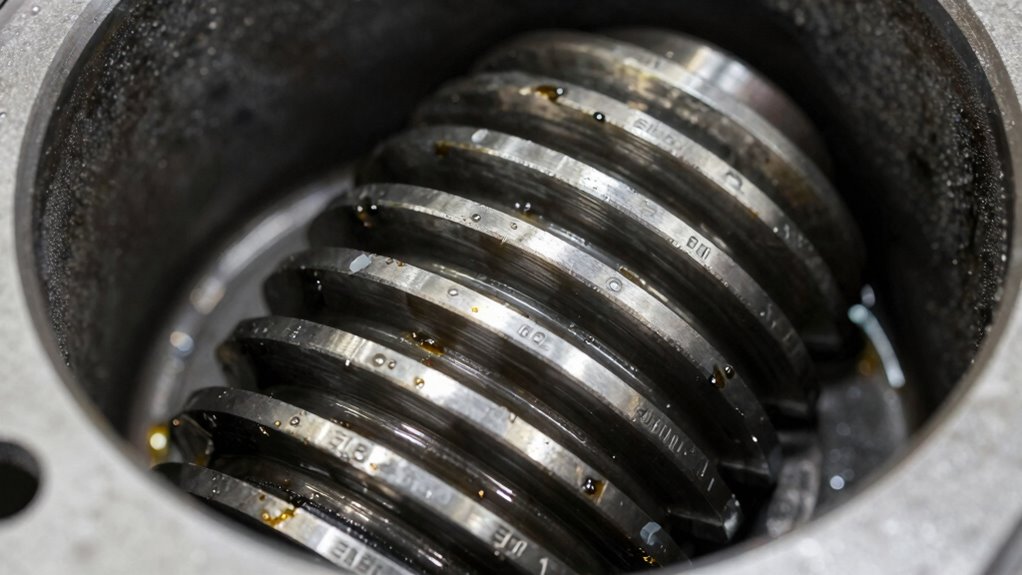
Hypoid gears often fail silently because early signs of damage, like pitting or cracks, develop below the surface and aren’t immediately visible. You might check the oil and see it looks clear and clean, but the internal damage can already be underway. This is because the high-pressure, sliding contact between gear teeth causes microscopic wear that doesn’t show on the surface initially. Over time, these unseen issues weaken the gear’s integrity, risking sudden failure. To prevent this, you need regular maintenance beyond visual inspections. Use used oil analysis to detect metal particles, additive depletion, and contaminants early. Monitoring these indicators allows you to catch problems before they escalate. Staying proactive helps you avoid unexpected breakdowns and costly repairs, keeping your hypoid gears running smoothly longer.

TYRAREX Automotive Transmission Fluid Tester Oil Analyzer Detector with Temperature Sensor, Gasoline & Diesel Gearbox Oil Diagnostic Tool with 31.5in Hose 2.8in Backlight Display (T20)
【Transmittance Test】 Apply to test the transmittance of transmission fluid and reflect the impurities, pollutants, or sediments in…
As an affiliate, we earn on qualifying purchases.
As an affiliate, we earn on qualifying purchases.
How Can Oil Look Fine but Still Cause Gear Damage?
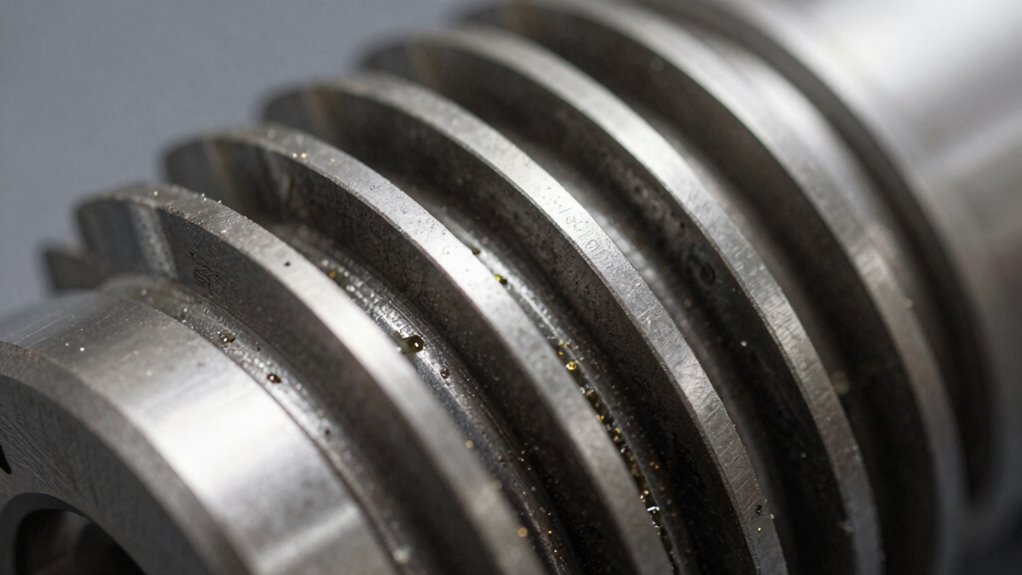
Even when oil appears clear and clean, it can still be hiding signs of damage that threaten your gear’s integrity. Visual inspection alone isn’t enough to detect hidden issues. Over time, additives break down or get depleted, leaving the oil less effective. Meanwhile, chemical changes can create corrosive compounds that damage metal surfaces without obvious color or clarity shifts. Contaminants like wear metals or particles can build up silently, accelerating wear. This means your oil may look fine but isn’t providing proper protection.
Oil can look clean but still hide damage and contamination that threaten your equipment’s safety.
- Additive depletion reduces the oil’s ability to prevent metal-to-metal contact
- Degraded polar components can cause corrosive wear points
- Contaminants like metal particles or water go unnoticed but cause ongoing damage
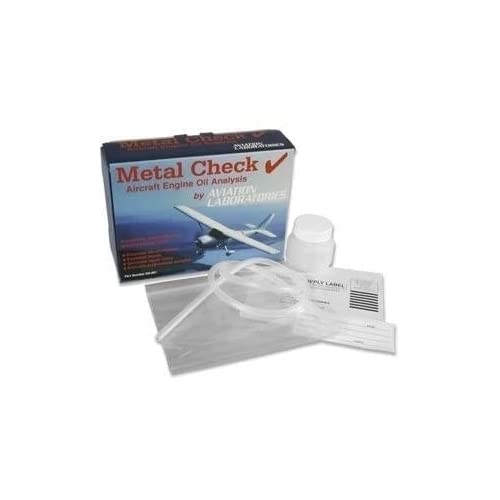
AVIATION LABORATORIES Metal Check Oil Analysis Test Kit GA-001-SP with Return Postage
As an affiliate, we earn on qualifying purchases.
As an affiliate, we earn on qualifying purchases.
Detecting Hidden Gear Problems Before They Lead to Catastrophe
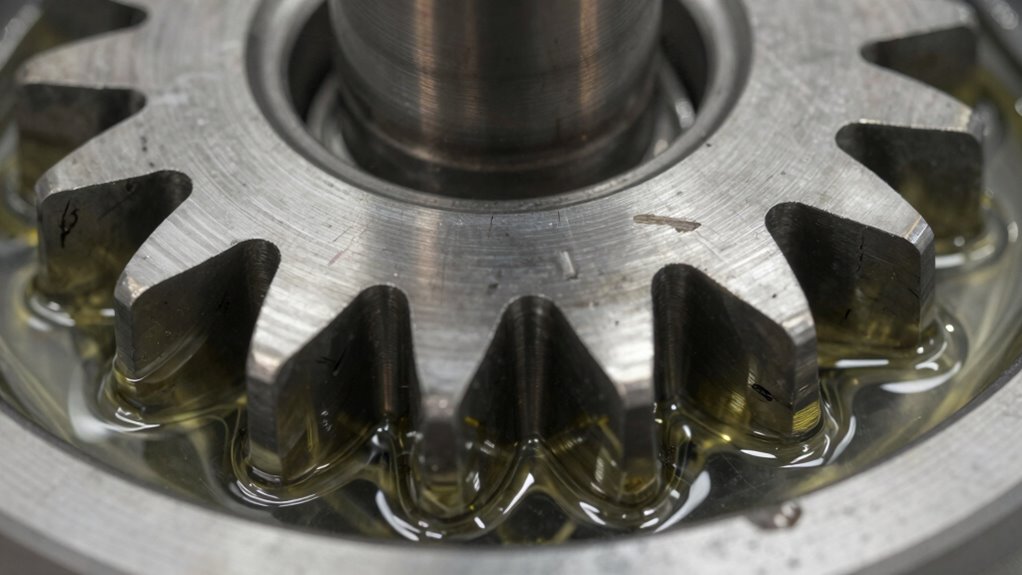
You need to stay alert for hidden wear indicators that can signal trouble before visible damage appears. Regular oil condition monitoring helps catch early signs of deterioration, such as additive depletion or contamination. By paying close attention to these clues, you can prevent catastrophic failures and keep your gears running smoothly. Implementing advanced diagnostic techniques can further enhance early detection of gear wear issues.
Hidden Wear Indicators
Have you considered that some gear issues can develop silently, long before symptoms become obvious? Hidden wear indicators can reveal trouble early, saving you costly repairs. You should watch for:
- Vibration patterns: Unusual vibrations may indicate developing gear misalignment or surface fatigue.
- Temperature fluctuations: Sudden or irregular temperature changes can signal increased friction or failing lubrication.
- Oil analysis results: Elevated wear metals or decreased additive levels often point to hidden surface deterioration.
- Routine maintenance practices help detect these subtle signs before they escalate into major failures.
These signs aren’t always visible or felt during operation but can be detected through routine monitoring. Paying close attention to subtle changes helps catch issues before they cause catastrophic failure. Regular analysis and system checks are essential for identifying these hidden wear indicators early, ensuring your gear system stays reliable.
Oil Condition Monitoring
Monitoring the condition of gear oil is essential for uncovering hidden problems before they cause serious damage. Regular analysis of oil samples reveals critical information like additive depletion, contamination, and viscosity changes that aren’t visible during routine inspections. By testing for wear metals, you can detect early signs of gear surface deterioration, while monitoring contaminants like water or debris indicates ongoing system issues. Tracking viscosity helps identify thermal stress or oxidation buildup, which can weaken the lubricating film. These measurements enable you to spot potential failures long before they manifest as equipment breakdowns. Using used oil analysis as part of your maintenance routine allows you to address problems proactively, avoiding costly repairs and extending gear life. Staying vigilant with oil condition monitoring is your best defense against catastrophic gear failures. Smart locks and office gear are examples of how advanced monitoring technology can improve security and operational efficiency in modern spaces.
Early Damage Signs
Early damage signs in gear systems often develop silently, making it essential to recognize subtle indicators before they escalate into major failures. You should watch for unusual noises, such as faint grinding or whining, which often signal early wear or misalignment. Additionally, increased vibration or temperature changes can indicate underlying issues like inadequate lubrication or debris buildup. Keep an eye on these signs:
- Unusual gear noises or vibrations during operation
- Unexpected temperature spikes or inconsistent oil viscosity
- Small metal particles or debris found during routine oil checks
Detecting these early signs allows you to address problems before they cause significant damage. Regular monitoring and prompt action help prevent catastrophic failures, saving time, money, and system downtime. Stay vigilant to keep your hypoid gear system running smoothly. Proper lubrication is essential for maintaining gear health and preventing premature wear.

OUPUSES 10PCS Car Aircon Oil Checker Refrigerant Oil Analyzer AC Oil Tester Automotive Air Conditioning System R134A Refrigeration Oil Level Checker Compatible with R134a/R1234yf System
【Compatible with R134a / R1234yf system】 This auto air conditioning system oil tester is designed for R134a /…
As an affiliate, we earn on qualifying purchases.
As an affiliate, we earn on qualifying purchases.
What Are the Key Oil Indicators That Signal Trouble?
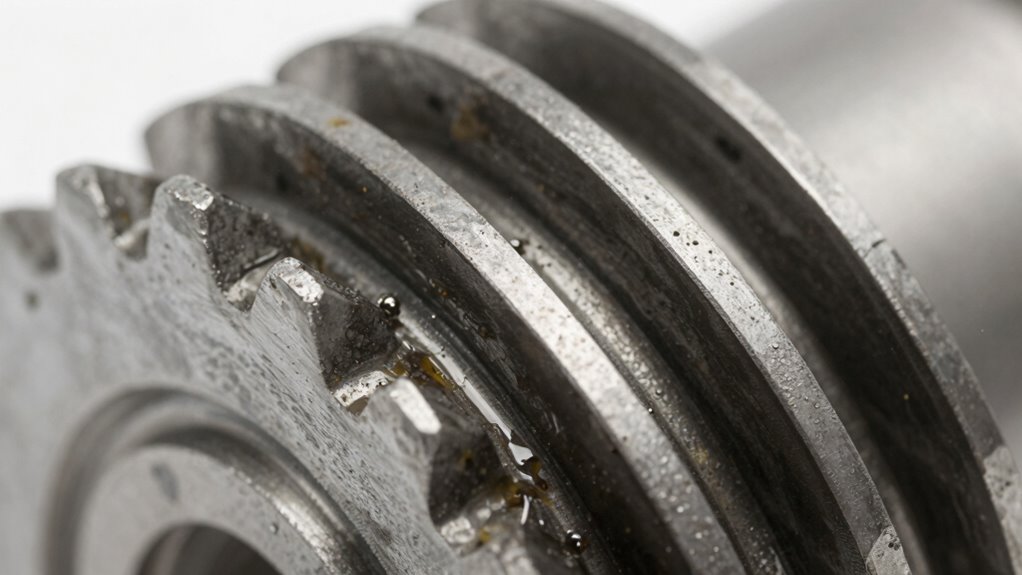
You should keep an eye on wear metal levels, as rising amounts can indicate increased internal abrasion. Signs of additive depletion show up early, reducing the oil’s protective capabilities and signaling potential problems. Additionally, an increase in contaminants like dirt or water in the oil suggests compromised lubrication and the need for immediate attention. Monitoring water contamination is especially important, as water can accelerate gear wear and lead to failure.
Wear Metal Levels Rise
As gear systems operate over time, wear metal levels in the lubricant gradually increase, signaling underlying issues that require attention. Elevated wear metals indicate excessive friction, abrasion, or material breakdown inside the gearset. You should watch for:
- Sudden spikes in iron, chrome, or copper levels, which point to accelerated wear or surface damage
- Consistent increases over time, signaling ongoing material loss and potential failure if unchecked
- Elevated levels of specific metals matching gear or bearing components, helping pinpoint the damaged part
Regular oil analysis helps detect these metal level changes early, allowing maintenance before catastrophic failure. Monitoring wear metals provides a clear picture of system health, so you can act promptly and prevent costly repairs.
Additive Depletion Signs
Depletion of oil additives is a critical warning sign that the protective qualities of your gear lubricant are diminishing. As additives like extreme pressure (EP) agents and anti-wear compounds break down, you’ll notice changes in oil performance. Viscosity may decrease or increase unexpectedly, signaling that the oil’s ability to maintain a proper lubricating film is compromised. Used oil analysis can reveal reduced levels of key additives, indicating their exhaustion before visible damage occurs. Additionally, a drop in antioxidant content suggests the oil is losing its resistance to oxidation, which accelerates thermal degradation. Monitoring oil chemistry** through regular testing is essential to catch additive depletion early**. If these signs go unnoticed, the gear surfaces become more vulnerable to metal-to-metal contact, wear, and ultimately, failure.
Contaminant Presence Increase
An increase in contaminants within gear oil often signals underlying issues that can lead to premature failure. When debris, wear metals, or water levels rise unexpectedly, it points to system wear or breakdown. You should watch for:
- Elevated levels of wear metals like iron or copper, indicating gear or bearing wear.
- Particulate matter or sludge buildup, which signals abrasive particles or inadequate filtration.
- Increased water content, leading to rust and corrosive wear on gear surfaces.
These signs show the oil’s protective qualities are compromised, and the system is at risk. Regular oil analysis helps you catch these shifts early, preventing costly damage. Monitoring contaminant levels allows for timely maintenance and oil changes, keeping your hypoid gears running smoothly longer.
How Does Additive Depletion Lead to Gear Wear: And What Signs Should You Watch For?
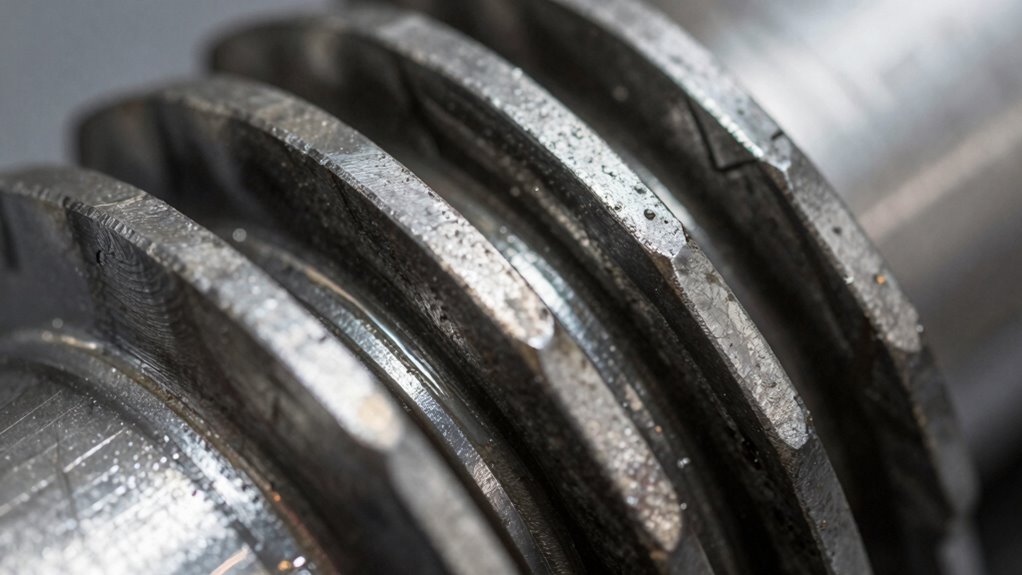
When additive levels in gear oil decline, the protective film on gear tooth surfaces weakens, making metal-to-metal contact more likely under high loads. As EP and anti-wear additives deplete, the oil’s ability to prevent direct contact diminishes, increasing friction and wear. You might notice increased noise, rough operation, or vibration, signaling deteriorating lubrication. Wear particles and metal shavings in the oil indicate active gear surface damage. Additionally, the oil may become darker or more viscous, suggesting additive loss. Over time, this leads to pitting, scoring, and uneven wear patterns. If you ignore these signs, gear surfaces can suffer severe damage, risking costly repairs. Regular oil analysis helps detect additive depletion early, allowing maintenance before catastrophic failure occurs. Proper gear oil selection is essential to ensure adequate additive levels and prolonged gear life.
What Chemical and Thermal Changes Occur Beneath the Surface of Your Gear Oil?
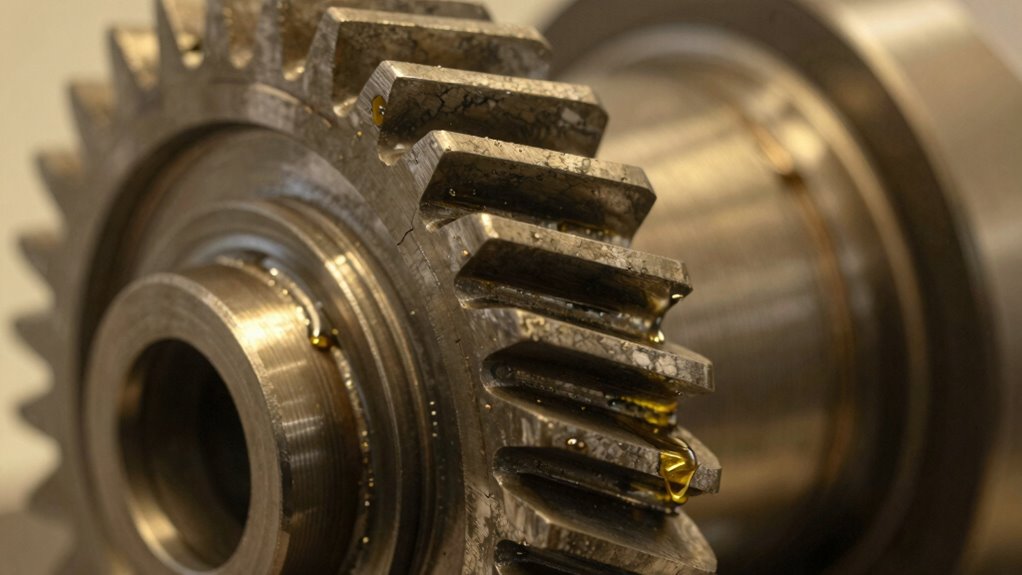
As gear oil ages and is subjected to operational stresses, chemical and thermal changes occur beneath the surface that can compromise its protective capabilities. These changes include:
- Breakdown of additive compounds, reducing anti-wear and extreme pressure protection
- Formation of oxidation products that increase acidity and accelerate oil degradation
- Thermal stress causing oil molecules to break down, resulting in viscosity loss and reduced film strength
- Regular monitoring of oil quality helps detect early signs of chemical and thermal deterioration before failure occurs.
These surface-level changes often happen silently, weakening the oil’s ability to prevent metal-to-metal contact. As the oil’s chemical composition shifts, its capacity to form protective films diminishes. Elevated temperatures speed up oxidation and additive depletion, making the oil less effective over time. Monitoring these subtle shifts helps prevent unexpected gear failure.
How Oil Analysis Helps You Spot Gear Wear and Oil Failures Early
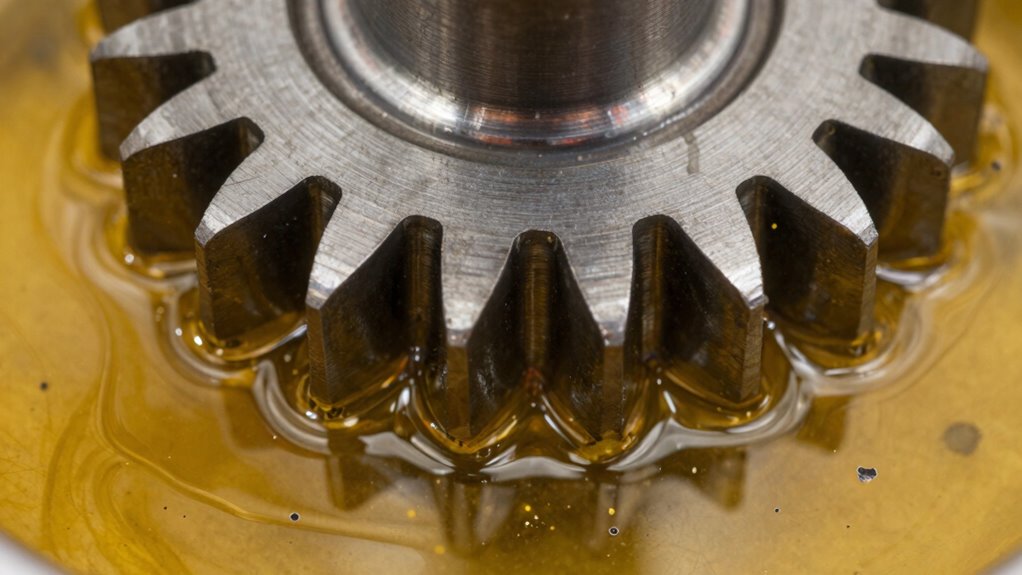
Oil analysis provides a proactive way to detect gear wear and oil failures before they lead to costly damage. By regularly testing your gear oil, you can identify early signs of additive depletion, contamination, and metal particles that indicate wear. Elevated wear metals signal internal component breakdown, while increased contaminants like water or debris point to potential system issues. Changes in viscosity or acid levels reveal thermal stress and oxidation, often before visible damage occurs. Monitoring these indicators helps you schedule maintenance before catastrophic failure, saving time and money. Oil analysis acts as an early warning system, giving you critical insights into the health of your hypoid gear system. Microplastics in dust can also serve as indicators of material degradation within the system. This prevents unexpected breakdowns and extends the service life of your gear components.
Common Myths About Oil Condition and Gear Safety: And What the Truth Is
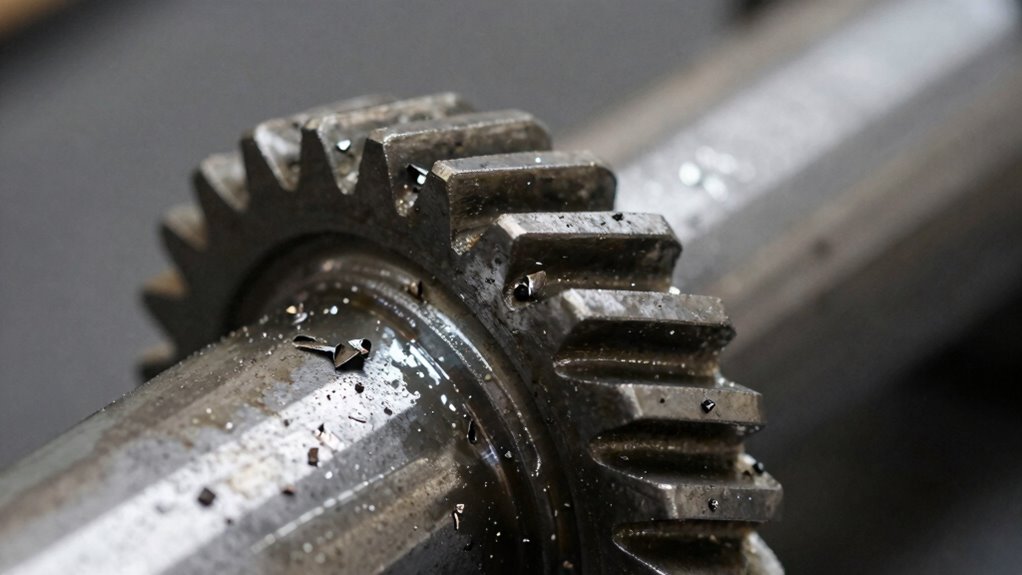
Many common myths about oil condition and gear safety can lead to costly mistakes if left unchallenged. One myth is that if the oil looks fine on the surface, it’s still protecting your gears. The truth? Oil can be degraded internally, losing its protective properties before any visible signs appear. Another misconception is that high-quality oil lasts forever; in reality, additives deplete over time, reducing effectiveness. Fundamentally, some believe that temperature alone indicates oil health—yet, contaminants and additive depletion often occur without temperature changes. To avoid these pitfalls, remember:
- Oil can be internally degraded even if it appears normal
- Additive levels decline long before visible issues arise
- Contaminants and wear metals provide early warning signs
Understanding these truths helps you maintain gear safety and prevent unexpected failures.
Best Practices to Monitor Gear Oil and Prevent Catastrophic Failures
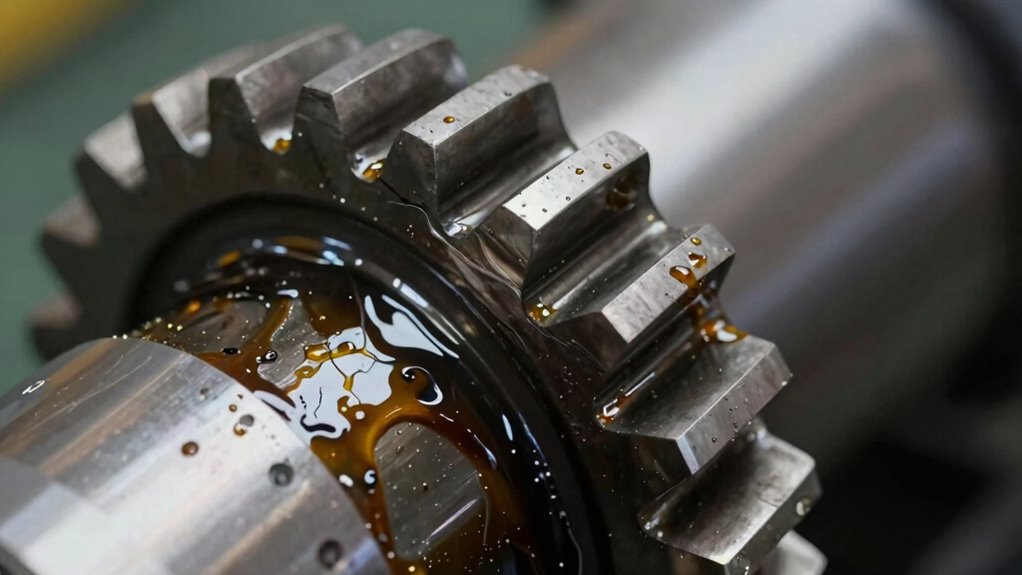
Regularly monitoring gear oil is essential to catch early signs of degradation before they lead to catastrophic failures. You should perform scheduled oil analysis to measure wear metals, contaminants, and additive levels. Tracking viscosity helps identify thermal breakdown or oxidation, signaling potential issues. Using portable test kits allows quick, on-site assessments, while sending samples to labs provides detailed insights. Pay attention to increasing wear metals or contaminants, which indicate wear or contamination problems. Monitoring oil color and smell can also reveal early degradation. Establishing baseline readings and comparing future results help you detect trends. Combining regular oil analysis with vibration and temperature monitoring enhances early detection. Being aware of oil degradation signs can help prevent unnoticed damage from escalating into costly, system-wide failures. Acting promptly on these indicators prevents unnoticed damage from escalating into costly, system-wide failures.
Choosing the Right Gear Oil to Protect Hypoid Gears From Hidden Damage
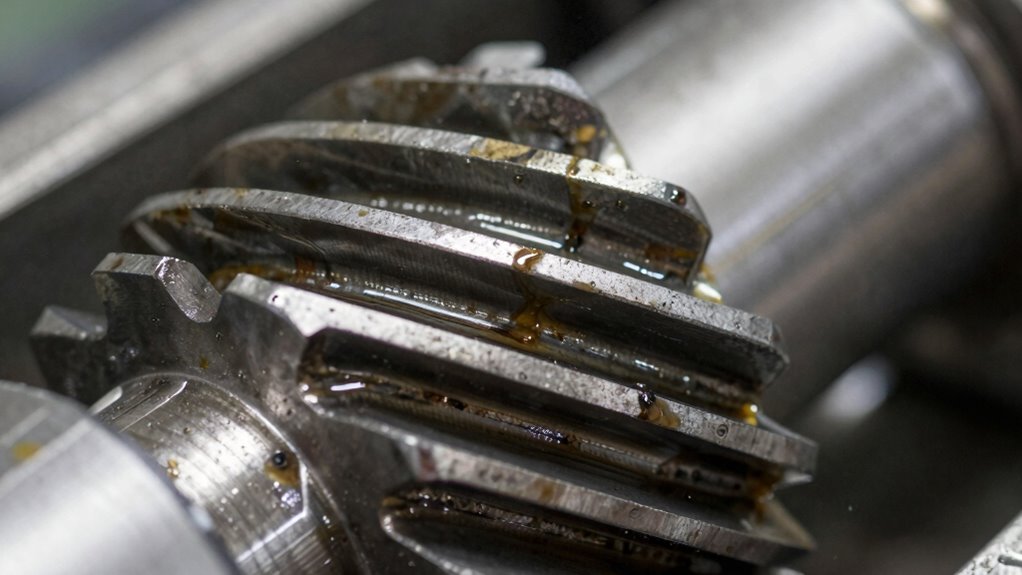
Selecting the appropriate gear oil is vital to safeguarding hypoid gears from unseen damage that can develop long before symptoms appear. To do this, choose oils with specific properties tailored to hypoid gear demands. Look for oils containing high-quality extreme pressure (EP) additives, which form protective layers under heavy loads. Confirm the oil has excellent thermal stability to resist oxidation and breakdown at high temperatures. Additionally, select oils with proper viscosity for your system, maintaining a thick enough film to prevent metal-to-metal contact. Proper lubrication also involves understanding the role of Free Floating in maintaining gear performance and longevity. – Opt for synthetic oils with superior EP additives and thermal stability – Check for the correct viscosity grade recommended by your gear manufacturer – Regularly analyze oil condition to catch additive depletion early
Frequently Asked Questions
How Can Oil Appear Normal but Still Have Internal Damage?
You might think the oil looks fine, but internal damage can still be happening because additive depletion weakens its protective film, allowing metal-to-metal contact. Heat, contamination, and chemical breakdowns can occur without obvious signs. Viscosity changes and contamination levels often indicate damage before visible wear appears. Regular oil analysis helps you catch these hidden issues early, preventing unexpected gear failure despite the oil’s seemingly normal appearance.
What Early Signs Indicate Hidden Hypoid Gear Wear or Failure?
You should watch for subtle signs like increasing gear noise, vibration, or temperature rises, which often indicate hidden wear. Regular oil analysis can reveal elevated wear metals, oxidation byproducts, or additive depletion before visible damage occurs. Pay attention to changes in oil viscosity or contamination levels, as these are early warning signs that internal hypoid gear wear or failure is developing, even if the oil appears normal.
How Often Should Oil Analysis Be Performed for Reliable Gear Protection?
You should perform oil analysis at least every 250 to 500 operating hours, like checking the health of a crucial organ before symptoms appear. Regular testing acts as a detective, revealing hidden wear metals, additive depletion, and contaminants. This proactive approach helps catch issues early, preventing silent failures. Consistent analysis ensures your gear system stays strong, much like a well-maintained engine keeps a vehicle running smoothly mile after mile.
Can Additive Levels Be Restored Before Gear Damage Occurs?
Yes, additive levels can be restored before gear damage happens. You should perform oil analysis regularly to identify additive depletion early. If levels drop, you can add compatible additives or switch to fresh oil with proper additives to maintain protection. Timely intervention helps preserve the oil’s protective film, prevents wear, and extends gear life, reducing the risk of catastrophic failure. Always follow manufacturer recommendations for additive replenishment.
Are Synthetic Oils Always Better for Preventing Unseen Gear Failures?
Synthetic oils are like a reliable shield, offering better protection against unseen gear failures. They resist oxidation, thermal breakdown, and additive depletion more effectively than mineral oils. This means they maintain a consistent protective film longer, reducing wear and preventing issues hidden beneath the surface. While not foolproof, choosing synthetic oil markedly lowers your risk of catastrophic gear damage, especially in high-stress hypoid gear systems.
Conclusion
Keep a close eye on your gear oil—don’t be fooled by its appearance, as it can mask lurking problems like a wolf in sheep’s clothing. Regular analysis and proper maintenance act as your armor against sudden failures, revealing hidden damage before it strikes. Remember, neglecting this silent sentinel is like ignoring a ticking time bomb—stay vigilant, and your gears will keep turning smoothly, safeguarding your equipment’s lifespan.