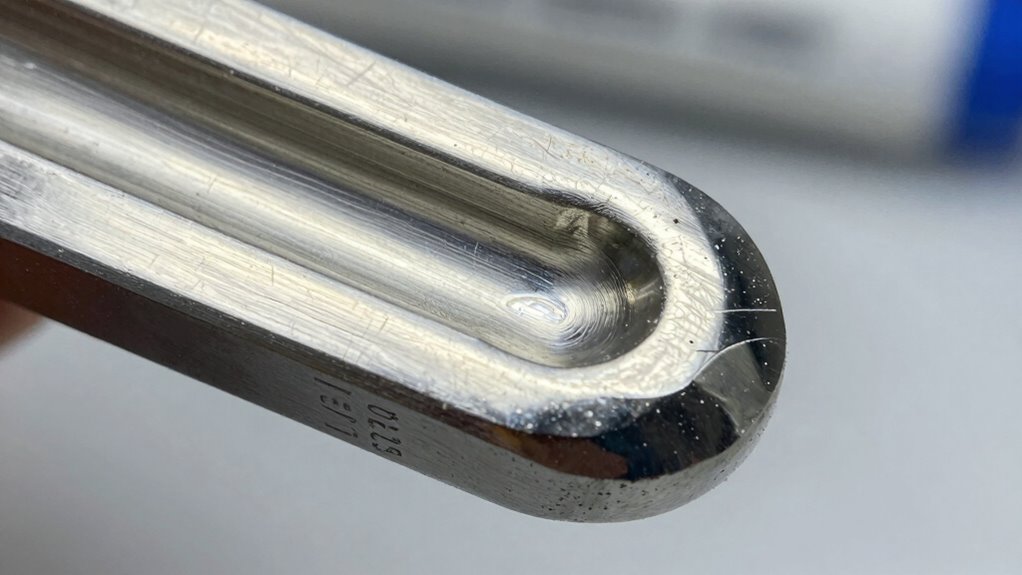
High wear metal numbers can signal serious machinery problems like bearing or gear wear, especially if levels spike unexpectedly or reach critical thresholds. However, occasional fluctuations may be normal due to operating conditions or recent maintenance. Understanding which metals and particle sizes matter helps you know when to act fast or when to monitor closely. Keep exploring to discover how to interpret these signals accurately and maintain your equipment’s health effectively.
Key Takeaways
- High wear metal levels often indicate abnormal component wear or impending failure, warranting further investigation.
- Not all elevated metal readings are critical; context, metal type, and trend analysis determine their significance.
- Sudden spikes in wear metals typically signal urgent issues like misalignment or lubrication failure.
- Consistently high levels may reflect normal operation or gradual wear, requiring baseline comparisons and trend monitoring.
- Combining metal analysis with other diagnostics (vibration, temperature) improves accuracy in assessing machinery health.

DEWALT Grease Gun 20V MAX, Cordless Electric Grease Gun 42” Hose, 10,000 PSI, Variable Speed Triggers, Tool Only (DCGG571B)
DEWALT cordless grease gun can power through clogged grease fittings with a motor that delivers up to 10,000...
As an affiliate, we earn on qualifying purchases.
What Are Wear Metals and Why Are They Important?
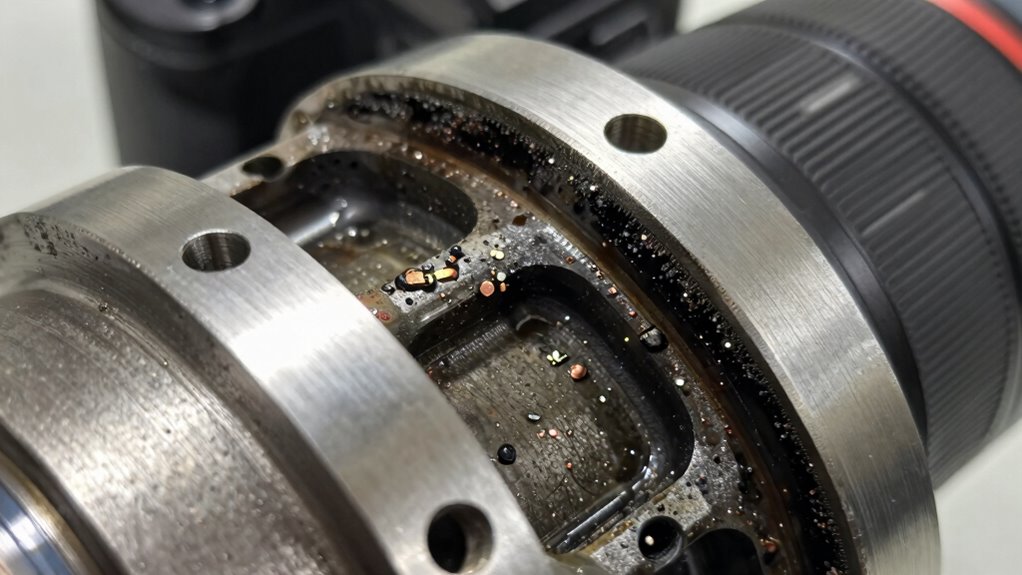
Have you ever wondered how machinery tells you when it’s wearing out? Wear metals are tiny particles released from components as they degrade. They end up in lubricants, providing clues about your equipment’s health. When parts like bearings or gears experience stress or damage, they shed metal debris. These particles vary in size from nanometers to millimeters. Analyzing wear metals helps identify specific problems, such as abrasive, adhesive, or fatigue wear. High levels of certain metals mean your machinery might be suffering from excessive wear, misalignment, or lubrication failure. Recognizing these signals early can prevent costly breakdowns. Essentially, wear metals act as a diagnostic fingerprint, alerting you to underlying issues before they cause major damage. They’re crucial tools in predictive maintenance—keeping your equipment running smoothly.

GEVEELIFE Electric Grease Gun -2025 Upgraded 2-in-1 Design with 2×4000mAh Batteries, Fast Charger & 90° Swivel Coupler, 12,000 PSI - Works with Bulk & Cartridge Grease for Farm, Truck, Construction
🚀 Cordless Freedom & Dual-Mode Operation:Experience hassle-free greasing with our cordless electric design that eliminates manual pumping. Switch...
As an affiliate, we earn on qualifying purchases.
How Do Wear Metals Indicate Machinery Wear and Damage?
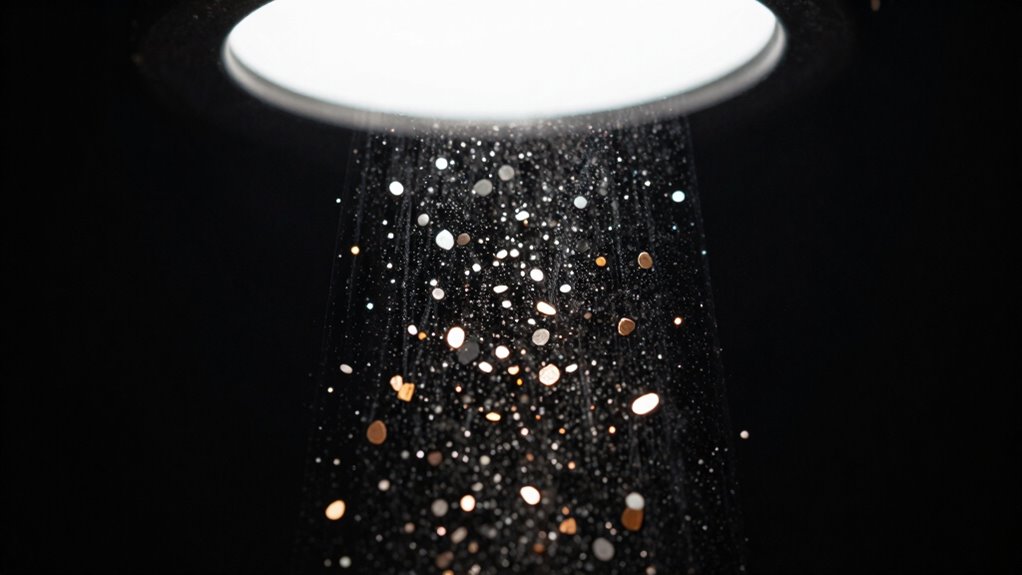
Wear metals in lubricants serve as direct indicators of machinery wear and damage. By analyzing metal concentrations, you can spot early signs of issues. Elevated iron suggests bearing wear; high copper indicates bushing deterioration; increased chrome points to abrasive wear on surfaces. These metals form debris that circulates in your lubricant, revealing specific problems. Visualize the debris as tiny fragments—some shiny, others dull—ranging from nanometers to millimeters. Think of these particles as messengers, telling you about the internal health of your equipment. A sudden spike in wear metals signals imminent failure, prompting maintenance before catastrophic damage occurs. Monitoring these metals allows you to interpret the machinery’s condition accurately, helping you make informed decisions for repairs, reducing downtime, and extending equipment life. Regional flavors and chicory/coffee insights can also influence the composition of lubricants used in some machinery, impacting wear metal analysis.
KRETLAW Grease Gun, 7000 PSI Heavy Duty Professional Pistol Grip Grease Gun Kit 14 OZ with Coupler, Double Grease Injector Needles, 18" & 2pc 12" Flex Hoses and Reinforced Glove
MORE IN YOUR GREASE GUN KIT: Comprising 1 heavy-duty grease gun, complemented by 1 premium 6-jaw coupler upgrade,...
As an affiliate, we earn on qualifying purchases.
Which Wear Metals Are Common and What Do They Signify?
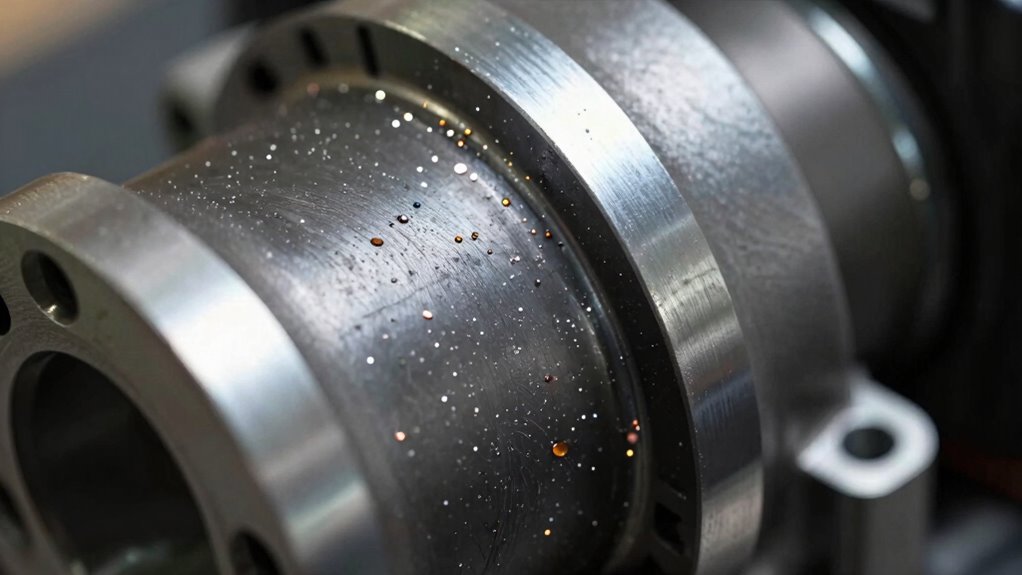
Certain metals are more commonly found in lubricants because they originate from specific internal components, and their presence can reveal different types of wear. Iron is the most common, signaling wear in bearings, gears, and shafts. Copper often comes from bushings and sleeves, indicating localized wear or corrosion. Aluminum and its alloys appear from pistons and cylinder heads, suggesting component erosion. Chrome is linked to surface hardening layers or wear of hard coatings. Nickel indicates wear in high-stress parts like valve seats or gear teeth. Titanium and tungsten are less common but show up in specialized, high-performance components. Recognizing these metals helps you identify which parts are wearing out and whether the wear is normal or abnormal, guiding maintenance decisions effectively. Understanding wear metals can also help predict potential failures and optimize maintenance schedules.

LUMAX LX-1152 Black Heavy Duty Deluxe Pistol Grease Gun with 18" Flex Hose, Handy 3-Way Loading - Fill with Standard Cartridge, Suction or Bulk Fill. Convenient One-Hand Operation for Easy Greasing.
HARD-TO-REACH: Comes with 18" flex hose extension for hard-to-reach fittings. Convenience of one-hand operation for easy greasing. Fit...
As an affiliate, we earn on qualifying purchases.
When Do Wear Metal Levels Signal a Problem?
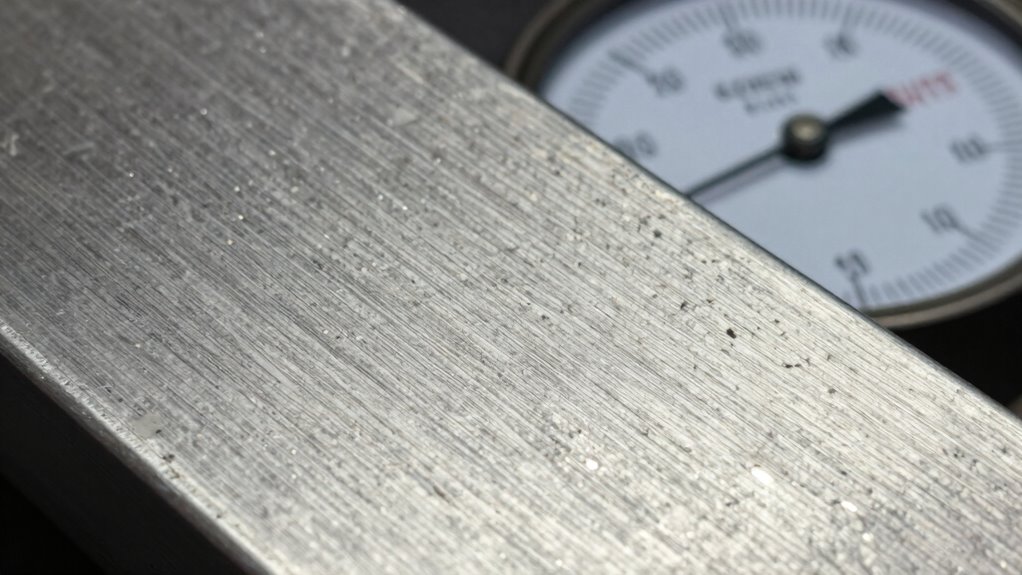
Elevated levels of wear metals in lubricant analysis typically signal that something is amiss within your machinery. When these levels spike unexpectedly, it often indicates abnormal wear processes. You should watch for:
- Sharp increases in metal concentrations, suggesting accelerated component deterioration.
- Metal particles of specific sizes, pointing to particular wear mechanisms like abrasive or fatigue wear.
- Metal types that correlate with known failure modes, such as iron from bearings or copper from bushings.
- Free Floating conditions that can cause unpredictable wear patterns and complicate diagnosis.
These signs mean your equipment might be experiencing issues like misalignment, lubrication failure, or excessive cyclic stress. Ignoring these signals can lead to costly failures, downtime, and repairs. Regular monitoring helps you catch problems early and prevent severe damage.
How Can You Detect Wear Metals in Your Equipment?
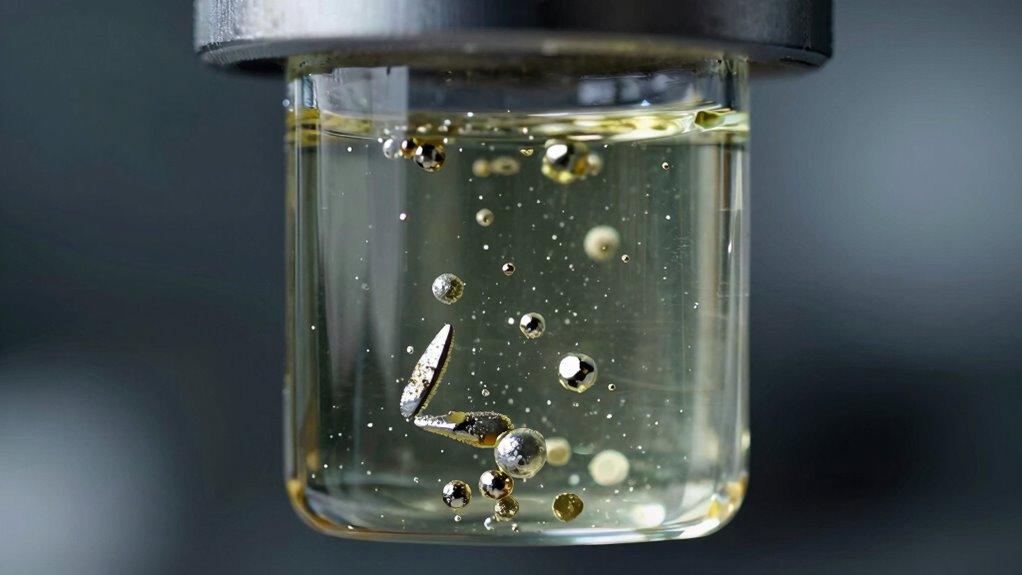
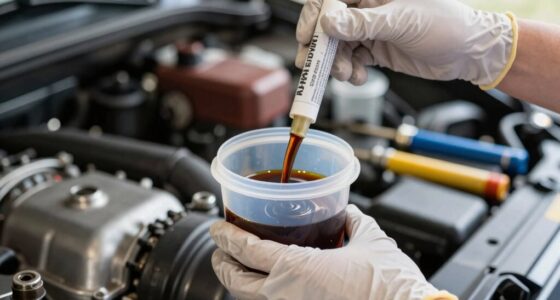
Detecting wear metals early can save your equipment from costly failures. The most common method is lubricant sampling, where you collect oil or grease during regular maintenance and analyze it for metal particles. Lab tests measure metal concentrations, particle sizes, and origins, helping you identify abnormal wear. Vibration and temperature sensors integrated with IIoT technology can also give real-time alerts when wear progresses, monitoring changes in machine behavior. Tribology tests simulate operating conditions, providing detailed insights into wear mechanisms. Crossed-cylinder tests rank wear resistance of materials and coatings. Regularly inspecting filters and performing magnetic particle inspections can catch large debris or metal shavings before they cause damage. Wear metals detection techniques are essential for proactive maintenance planning. Combining these methods ensures you catch early signs of wear and plan timely maintenance to prevent failures.
What Are Effective Ways to Prevent Excess Wear Metal Production?
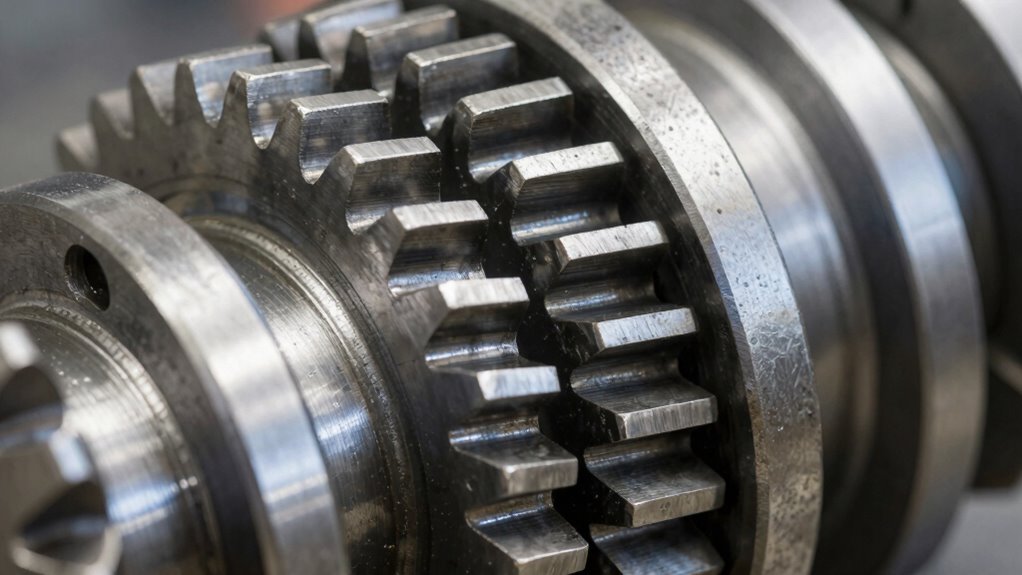
To effectively prevent excess wear metal production, you should focus on enhancing lubrication practices, selecting appropriate materials, and maintaining proper operating conditions. Proper lubrication reduces metal-to-metal contact, preventing adhesive and abrasive wear. Regularly checking and changing lubricants ensures contaminants don’t accelerate wear. Choosing materials like high-chromium alloys or carbide composites increases resistance to abrasion and fatigue. Maintaining ideal operating parameters—such as correct load, speed, and temperature—minimizes cyclic stresses and surface damage. Additionally, monitoring early warning signs can help detect wear issues before they become severe. Visualize:
- Thick, clean oil coating gears, like a protective shield
- Durable, impact-resistant materials standing firm under stress
- Equipment running smoothly at ideal speeds, with minimal vibration
These strategies work together to keep wear metal levels low, extending component life and reducing maintenance costs.
How to Use Wear Metal Data to Make Smarter Maintenance Decisions?
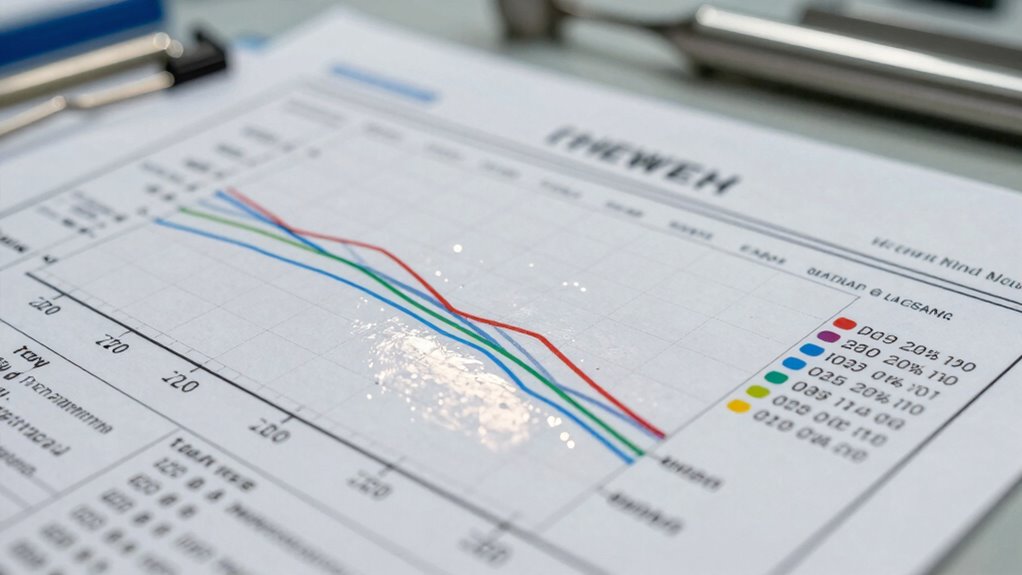
Using wear metal data effectively allows you to make informed maintenance decisions that prevent costly failures. First, establish baseline metal levels for your equipment during normal operation. When you detect spikes or rising trends, investigate the cause—whether it’s abrasive, adhesive, or fatigue wear. Use particle size and composition data to pinpoint specific issues, such as contamination or lubrication problems. Set threshold limits based on industry standards and your historical data; act promptly when these are exceeded. Combining wear metal analysis with real-time sensors, like vibration or temperature monitoring, enhances early detection. Regular sampling and trend analysis help you schedule maintenance proactively, avoiding unplanned downtime. By interpreting wear data accurately, you optimize maintenance timing, extend component life, and reduce operational costs. Additionally, understanding content formats can improve how you present and analyze your data for better decision-making.
Frequently Asked Questions
Can High Wear Metal Levels Be Caused by Environmental Factors?
Yes, high wear metal levels can be caused by environmental factors. Dust, dirt, and corrosive elements in the environment can contaminate lubricants, leading to increased metal particles in the system. Open systems are especially vulnerable. These contaminants accelerate wear mechanisms like abrasion and corrosion, raising metal levels without actual internal component failure. Monitoring and controlling environmental conditions help prevent false indications of wear and extend equipment lifespan.
How Do Different Lubrication Types Influence Wear Metal Production?
Think of lubrication as a guardian’s shield. If you choose the right type—like synthetic or proper viscosity—you minimize metal-to-metal contact, reducing wear metal production. Poor lubrication, such as inadequate grease or oil breakdown, acts like a cracked shield, accelerating wear and generating more debris. Proper lubrication maintains smooth interactions, keeps wear metals low, and extends equipment life, while mismatched or contaminated lubricants invite excessive wear and costly damage.
Are There Industry-Specific Thresholds for Wear Metal Levels?
Yes, industry-specific thresholds for wear metal levels exist. You should follow these thresholds because they help you detect abnormal wear early, preventing costly failures. For example, mining equipment often has higher acceptable iron levels due to abrasive environments, while aerospace components require stricter limits. Understanding these thresholds allows you to tailor maintenance and monitoring strategies effectively, ensuring safe, efficient operation across different industries.
What Role Do Advanced Coatings Play in Wear Metal Reduction?
Advanced coatings are your secret weapon against wear metals, dramatically slashing debris and extending component life. They create an ultra-hard barrier that withstands even the most relentless abrasive and adhesive forces, preventing metal transfer and cracking. By applying plasma nitriding or laser cladding, you’ll see a seismic drop in metal particles, boosting machinery reliability. These coatings don’t just reduce wear—they revolutionize your maintenance approach, saving costs and minimizing downtime in ways you never imagined.
How Do Nano-Structured Materials Impact Wear Metal Analysis?
Nano-structured materials influence wear metal analysis by often showing higher metal levels in lubricants, even when they’re functioning well. You might notice elevated particle counts because their coatings or structures shed more particles initially or during wear-in. This doesn’t always mean there’s a problem. Instead, you should interpret these levels considering the material’s advanced properties, monitoring trends over time to distinguish normal shedding from genuine wear issues.
Conclusion
Understanding wear metals is like holding the key to revealing your machinery’s hidden secrets. When you interpret these tiny clues correctly, you can prevent catastrophic failures that could bring your operations to a grinding halt. By monitoring metal levels diligently, you’ll be able to catch problems early and extend your equipment’s lifespan—saving you from the chaos of unexpected breakdowns. Mastering wear metal analysis isn’t just smart; it’s your ultimate weapon against machinery mayhem.