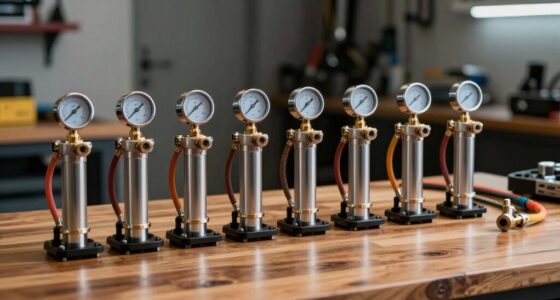
Choosing the right fuel polishing transfer pump can significantly impact your engine’s reliability and performance. Whether you’re maintaining a classic car, managing a marine vessel, or running heavy equipment, the right pump ensures clean fuel flow and reduces contamination risks. Today, I’ll highlight four standout models, starting with the versatile Holley 12-801-1 for high flow needs, the Holley 12-802-1 for high-pressure applications, the CarBole 110 GPH for large-volume transfers, and the CarBole Gasoline Pump for budget-friendly, universal use. Each has unique strengths and tradeoffs, making them suitable for different buyer priorities.

Get business pricing on garage and car supplies
- Business-only prices and quantity discounts
- Tax-exempt purchasing
- Multiple users, one account, clear invoices
Complete the kit



Key Takeaways
- The Holley 12-801-1 provides a high flow rate suited for performance applications but limited to gasoline and lower pressure.
- The Holley 12-802-1 combines high flow with higher pressure, ideal for racing but with specific mounting needs.
- The CarBole 110 GPH excels in durability and volume, fitting large or industrial fuel transfers but not compatible with alcohol fuels.
- The CarBole Gasoline Pump offers affordability and universal fit, though limited to low-pressure, non-injected systems.
- Tradeoffs often involve balancing flow rate, pressure capacity, compatibility, and cost for your specific fuel system.
| Holley 12-801-1 97 GPH RED Electric Fuel Pump |  | Best Overall High-Flow Fuel Pump for Performance | Flow Rate: 97 GPH | Maximum Pressure: 7 psi | Motor Current: 2 amps | VIEW ON AMAZON | See Our Full Breakdown |
| Holley 12-802-1 Blue Electric Fuel Pump with Regulator |  | Best High-Pressure Performance Pump for Racing | Flow Rate: 110 GPH (free flow), 88 GPH at 9 psi | Maximum Pressure: 14 psi | Inlet Connection Size: 0.38 inches | VIEW ON AMAZON | See Our Full Breakdown |
| CarBole 110 GPH Electric Performance Fuel Pump DC 12V |  | Best for Large-Volume Transfer & Industrial Use | Flow Rate: 110 gallons per hour | Pressure: 13-14 PSI | Inlet Connection: Threaded 0.31 inches | VIEW ON AMAZON | See Our Full Breakdown |
| CarBole Gasoline Electric Fuel Pump 12V 5/16 Inch |  | Best Budget-Friendly Universal Fuel Pump | Inlet/Outlet Size: 5/16 inch | Voltage: 12V | Flow Rate: 28 GPH | VIEW ON AMAZON | See Our Full Breakdown |
| fuel polishing transfer pump | Flow Rate | Maximum Pressure | Inlet Connection Size | Outlet Connection Size |
|---|---|---|---|---|
| Holley 12-801-1 97 GPH RED Ele | 97 GPH | 7 psi | 0.38 inches | 0.38 inches |
| Holley 12-802-1 Blue Electric | 110 GPH (free flow), 88 GPH at 9 psi | 14 psi | 0.38 inches | 0.38 inches |
| CarBole 110 GPH Electric Perfo | 110 gallons per hour | — | — | — |
| CarBole Gasoline Electric Fuel | 28 GPH | — | — | — |
More Details on Our Top Picks
Holley 12-801-1 97 GPH RED Electric Fuel Pump
The Holley 12-801-1 stands out for its high flow rate of 97 GPH, making it ideal for high-performance street and strip applications. Its durable billet polished housing combined with a sleek red finish offers both strength and aesthetic appeal. Compared to other options, it focuses on delivering consistent fuel flow with no pulsation, which is crucial in performance engines. However, its maximum pressure is limited to 7 psi, which may restrict its use in high-pressure fuel injection systems. Its simple bracket mounting and threaded connections make installation straightforward, but it’s not suitable for aviation or high-pressure injection setups where more robust pressure handling is needed.
Pros:- High flow rate of 97 GPH supports performance engines
- Polished billet housing looks premium and resists corrosion
- No pulsation ensures smooth fuel delivery
- Easy to install with threaded connections
Cons:- Limited to 7 psi maximum pressure
- Not suitable for aviation or high-pressure fuel injection
- Designed primarily for gasoline, limiting fuel type flexibility
Best for: Performance automotive enthusiasts needing reliable high flow for carbureted or low-pressure injected engines.
Not ideal for: Aviation, high-pressure fuel injection systems, or applications requiring pressures above 7 psi.
- Flow Rate:97 GPH
- Maximum Pressure:7 psi
- Motor Current:2 amps
- Inlet Connection Size:0.38 inches
- Outlet Connection Size:0.38 inches
- Dimensions:6.9 x 5.7 x 4.1 inches
- Weight:2.8 pounds
- Mounting Type:Bracket Mount
Our verdict“A top pick for performance car owners who prioritize high flow and aesthetic quality over high-pressure capability.”
Holley 12-802-1 Blue Electric Fuel Pump with Regulator
The Holley 12-802-1 is designed for demanding applications requiring higher pressure, offering a flow rate of 110 GPH at free flow and 88 GPH at 9 psi, with a maximum pressure of 14 psi. Its polished billet look and cast lower housing give it a premium appearance and durability. This pump is ideal for racing or high-performance vehicles that need steady fuel pressure. Compared to the 97 GPH Holley, this model provides greater pressure capacity but is slightly more complex to mount, often requiring a tank mount and additional safety features like relays and fuses that come included. It’s less suitable for low-pressure or basic applications, making it better for enthusiasts who need high pressure and volume.
Pros:- High flow rate of 110 GPH supports aggressive fueling
- Higher maximum pressure of 14 psi
- Includes relay kit and fuse for safety
- Aesthetic polished billet look
Cons:- Requires specific mounting solutions like tanks
- Limited use in low-pressure or basic gasoline systems
- Higher cost due to performance features
Best for: Race cars and high-performance vehicles requiring reliable, high-pressure fuel flow.
Not ideal for: Standard street cars with low-pressure fuel systems or marine use where pressure is less critical.
- Flow Rate:110 GPH (free flow), 88 GPH at 9 psi
- Maximum Pressure:14 psi
- Inlet Connection Size:0.38 inches
- Outlet Connection Size:0.38 inches
- Mounting Type:Tank Mount
- Operation Mode:Automatic
- Weight:3.2 pounds
- Dimensions:6.8 x 5.7 x 4.1 inches
Our verdict“A strong choice for racers and high-performance builds that need high pressure and flow with safety features included.”
CarBole 110 GPH Electric Performance Fuel Pump DC 12V
The CarBole 110 GPH offers a robust solution for transferring gasoline at 13-14 PSI, making it suitable for UTVs, boats, and farm equipment. Its metal body ensures durability and heat resistance, while quiet operation and included mounting bracket facilitate flexible installation. Compared with the Holley models, it emphasizes durability and volume transfer over high-pressure precision, making it ideal for industrial or large-volume applications. However, it’s incompatible with fuel-injected systems and alcohol-based fuels, limiting its versatility. Its straightforward design makes it accessible for non-technical users, but it’s not suited for high-pressure or specialty fuel systems.
Pros:- High flow rate of 110 GPH supports large-volume tasks
- Durable metal construction with polished finish
- Quiet operation under 60 dB
- Includes mounting bracket for easy installation
Cons:- Not compatible with fuel-injected or alcohol fuels
- Limited to gasoline transfer only
- Does not support high-pressure injection systems
Best for: Industrial, large-volume transfer, and durable fuel handling in non-injected systems.
Not ideal for: Fuel-injected engines or alcohol-based fuels, due to compatibility issues.
- Flow Rate:110 gallons per hour
- Pressure:13-14 PSI
- Inlet Connection:Threaded 0.31 inches
- Outlet Connection:Threaded 0.31 inches
- Material:Metal
- Mounting:Bracket
- Operation Mode:Automatic
Our verdict“This pump suits industrial or large-volume transfer needs where durability and volume outweigh high-pressure demands.”
CarBole Gasoline Electric Fuel Pump 12V 5/16 Inch
The CarBole Gasoline Electric Fuel Pump provides a simple, affordable solution for basic fuel transfer needs. With a flow rate of 28 GPH at 2-3.5 PSI, it’s suitable for cars, trucks, boats, and generators that require low-pressure fuel delivery. Its universal 5/16 inch inlet and outlet fittings make installation straightforward across many applications. Compared with high-flow, high-pressure models, it’s limited in capacity but excels in stability and ease of use. It’s a practical choice for those on a budget or for small-scale transfer tasks, but it’s not compatible with ethanol fuels or high-pressure injection systems.
Pros:- Universal fit for multiple vehicles and equipment
- Affordable price point
- Stable fuel transfer with good suction
- Easy to install with bolt fittings
Cons:- Limited to 2-3.5 PSI operating pressure
- Cannot handle ethanol or race fuels
- Limited flow capacity for large or high-pressure systems
Best for: Budget-conscious users needing a reliable, low-pressure fuel pump for basic applications.
Not ideal for: High-performance engines, fuel-injected systems, or alcohol-based fuels.
- Inlet/Outlet Size:5/16 inch
- Voltage:12V
- Flow Rate:28 GPH
- Operating Pressure:2-3.5 PSI
- Power:1-2A
Our verdict“A solid option for budget-minded owners who need simple, reliable gasoline transfer at low pressure.”

How We Picked
Our selection process focused on evaluating pumps based on flow capacity, maximum pressure, compatibility with various fuels and systems, durability, ease of installation, and safety features. We compared performance specs with real-world application needs, considering whether each pump is better suited for automotive, marine, or industrial environments. Cost and design quality also played roles, ensuring that each pick offers a clear advantage for specific buyer scenarios while acknowledging potential limitations.
| fuel polishing transfer pump | Mounting Type |
|---|---|
| Holley 12-801-1 97 GPH RED Ele | Bracket Mount |
| Holley 12-802-1 Blue Electric | Tank Mount |
| CarBole 110 GPH Electric Perfo | — |
| CarBole Gasoline Electric Fuel | — |
Factors to Consider When Choosing Fuel Polishing Transfer Pump
Selecting the ideal fuel polishing transfer pump depends on your specific application, including the required flow rate, pressure, fuel type, and environment. Understanding these key factors can help you avoid overspending on unnecessary features or ending up with a pump that underperforms. Here, I break down the main considerations to help you choose confidently.Flow Rate and Pressure Needs
Assess the volume of fuel you need to transfer and the pressure your system requires. High-performance engines or racing setups demand higher flow and pressure, making models like the Holley 12-802-1 ideal. For basic transfer tasks or smaller engines, lower flow and pressure pumps like the CarBole 12V are sufficient. Match your system requirements carefully to avoid underperformance or damage.
Compatibility with Fuel Types and Systems
Check whether the pump supports your fuel type—gasoline, ethanol blends, or race fuels—and your system’s pressure needs. Pumps designed for low-pressure systems won’t work with high-pressure fuel injection, and some materials aren’t compatible with alcohol fuels. Ensure the pump’s specifications align with your engine or equipment to prevent failures.
Durability and Construction
Durability is key, especially for industrial or prolonged use. Metal-bodied pumps like CarBole models offer greater resilience against heat and corrosion, while billet aluminum pumps combine strength with aesthetic appeal. Plastic or less robust materials may suffice for occasional use but could fail under demanding conditions.
Ease of Installation and Safety Features
Consider how straightforward it is to install the pump and whether safety features like relays or fuses are included. Pumps with threaded fittings and mounting brackets simplify setup, but check if additional components are needed. Safety features help prevent electrical issues, especially in high-performance or industrial environments.
Frequently Asked Questions
What is the main difference between high-flow and high-pressure fuel pumps?
High-flow pumps prioritize the volume of fuel transferred, making them suitable for engines with large fuel demands or performance modifications. High-pressure pumps, on the other hand, focus on maintaining a steady, higher pressure necessary for fuel injection systems. Selecting the right depends on whether your priority is volume or pressure consistency.
Can these pumps handle ethanol or alcohol fuels?
Most of the pumps featured here are designed for gasoline and are not compatible with ethanol or methanol fuels. Using incompatible fuels can degrade materials and lead to pump failure. Always verify the fuel compatibility listed in the specifications before making a choice for ethanol-blended or alcohol-based fuels.
Are these pumps suitable for marine applications?
Some models, like the Holley 12-802-1, are suitable for marine use due to their high-pressure capabilities and durable materials. However, others, especially those not rated for water exposure or corrosion resistance, are better suited for automotive or industrial environments. Always check the manufacturer’s recommendations for marine compatibility.
What safety features should I look for in a fuel transfer pump?
Safety features such as built-in relays, fuses, and thermal protection help prevent electrical overloads and fires. Pumps that include fuse kits or relay wiring simplify installation of a safe, reliable system. These features are especially important in high-performance or industrial settings where electrical issues can cause serious problems.
How do I determine the right flow rate for my needs?
Choose a flow rate based on your engine or equipment’s fuel consumption. For most standard applications, 30-50 GPH suffices. High-performance engines or large industrial systems may require 100 GPH or more. Overestimating can lead to unnecessary expense, while underestimating might cause fuel starvation or poor performance.
Conclusion
If you need a high-flow, performance-oriented pump for automotive use, the Holley 12-801-1 offers excellent value and aesthetic appeal. For racing or high-pressure applications, the Holley 12-802-1 provides the necessary pressure and safety features. Those with large-volume or industrial needs should consider the CarBole 110 GPH for durability and capacity. Budget buyers or those with simple transfer tasks will find the CarBole Gasoline Pump a practical, affordable choice. Matching your specific fuel system requirements with these options will ensure reliable, safe operation.
Halloween Picks
halloween
As an affiliate, we earn on qualifying purchases.