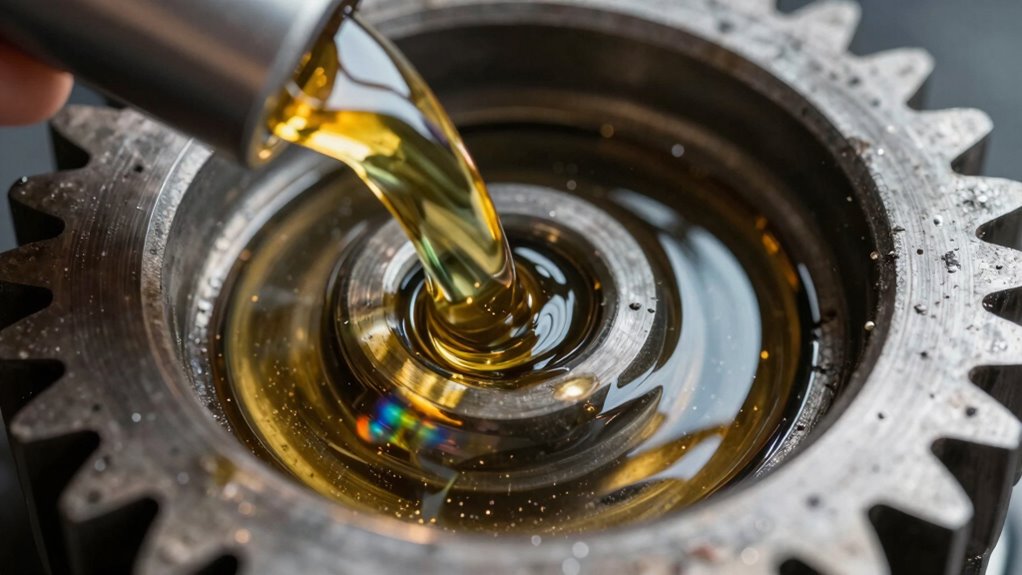

A gear oil may feel slick initially, but that doesn’t mean it’s fully safeguarding your gears under heavy loads. Slickness mainly comes from its current viscosity, which can change with temperature and pressure, reducing its ability to form a strong protective film. If the oil isn’t designed for heavy-duty use or its additives lose effectiveness when thickening or thinning, it can lead to increased wear. To make certain of real protection, it’s important to understand how viscosity and formulation impact performance. Keep exploring to learn more.
Key Takeaways
- Slickness initially felt doesn’t guarantee sufficient viscosity or film strength under heavy loads.
- Under load and heat, oil can thin out, losing its protective barrier despite feeling slick.
- Proper protection depends on maintained viscosity, which may decrease under pressure even if oil feels smooth.
- Additives can be less effective if the oil’s viscosity shifts away from optimal, reducing protection.
- Oils formulated for high-load conditions maintain viscosity stability, preventing wear even if they don’t feel especially slick.
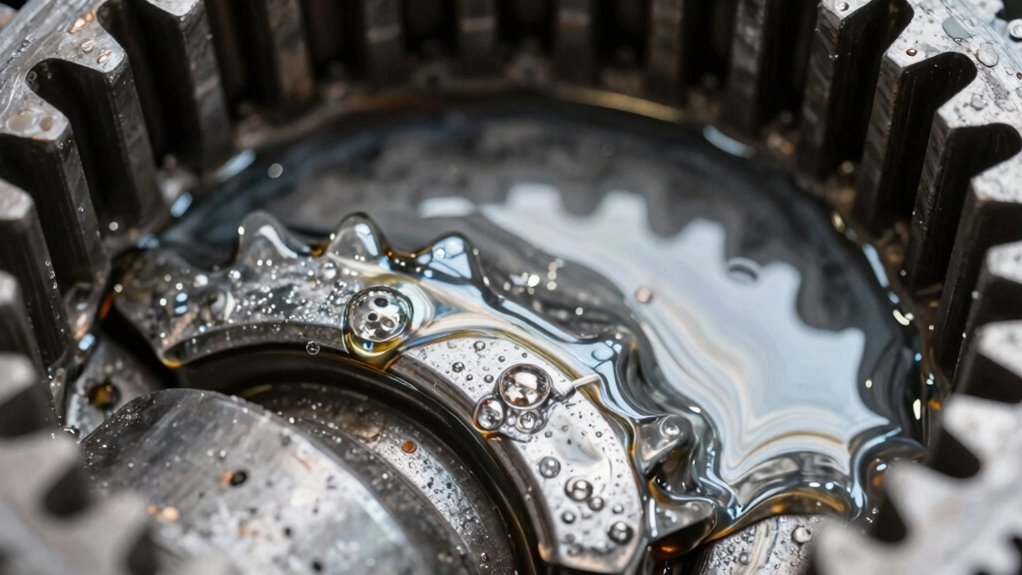
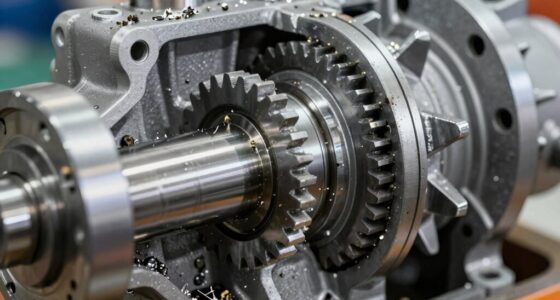
While gear oils often feel slick to the touch, their true test comes when they’re under heavy load. You might notice how smoothly they seem to operate when you first pour them in, but that slickness doesn’t always guarantee protection. Under extreme pressure, the oil’s ability to reduce friction and maintain proper viscosity becomes critical. Friction reduction is what you rely on to keep metal parts from grinding against each other, preventing wear and overheating. However, when the load increases beyond what the oil is designed for, its effectiveness can diminish, exposing weaknesses that aren’t obvious just by feeling the oil.
Slick gear oils may lose protection under heavy load, revealing hidden weaknesses.
One primary reason some gear oils protect worse under load is due to changes in viscosity. Viscosity is the oil’s resistance to flow; at the right level, it forms a protective film over gears, absorbing shocks and minimizing direct metal contact. But as the gears work harder, temperature rises, and the oil’s viscosity can shift. If the oil becomes too thin—what’s called “thin out”—it can’t form a durable barrier, leading to increased metal-to-metal contact. Conversely, if it thickens too much, it impedes movement, increasing energy loss and wear. These viscosity changes are often subtle and happen gradually, so you might not notice until a heavy load exposes the deficiency.
Furthermore, many gear oils are formulated with specific additives to enhance their performance under varying conditions. When subjected to high loads, these additives may not perform as intended if the oil’s viscosity isn’t well-balanced. An oil that starts slick and smooth might lose its protective qualities when exposed to high pressure because it can’t maintain the ideal viscosity needed for friction reduction. This means the oil’s slick feel can be misleading, giving you a false sense of security about its protective capabilities.
You also need to contemplate that not all oils are created equal. Some are designed for light-duty applications and don’t perform well under heavy loads, regardless of how slick they feel initially. Their viscosity stability under load is limited, so they fail to maintain a consistent lubricating film. This inconsistency can lead to increased wear and even gear failure over time.
Additionally, understanding the viscosity stability of an oil helps in selecting the right gear lubricant for demanding conditions.

Lucas Oil 10046 SAE 80W-90 Heavy Duty Gear Oil – 1 Gallon
Contains extraordinary anti-wear and lubricity agents, ensuring exceptional protection against wear and reducing drag
As an affiliate, we earn on qualifying purchases.
As an affiliate, we earn on qualifying purchases.
Frequently Asked Questions
How Can I Tell if My Gear Oil Is Still Effective?
You can tell if your gear oil is still effective by checking its lubricant viscosity; if it feels thinner than when new, it may have degraded. Also, inspect for oil contamination, like dirt or water, which can impair protection. Regularly changing your gear oil based on manufacturer recommendations and monitoring for unusual noises or increased heat during operation helps guarantee it remains effective under load.
Do Synthetic Gear Oils Resist Breakdown Better?
Yes, synthetic gear oils resist breakdown better because of their synthetic durability. They are engineered with advanced base stocks and superior additive benefits that improve stability under extreme temperatures and heavy loads. This means your gear oil maintains its protective qualities longer, reducing wear and tear. You’ll notice better performance and longer intervals between oil changes, making synthetic gear oils a reliable choice for demanding conditions.
What Are Signs of Gear Oil Failure Under Load?
Think of your gear system as a tightrope walker; when gear oil fails under load, it’s like the rope frays and weakens. Signs include increased noise, overheating, and sluggish shifts. Remember, lubrication myths often hide the importance of correct gear oil viscosity. If you notice these symptoms, it’s time to check your gear oil’s condition because under load, weak lubrication can cause serious damage.
How Often Should Gear Oil Be Replaced for Optimal Protection?
You should replace your gear oil every 30,000 to 60,000 miles, or as recommended by your vehicle’s manufacturer. Regular oil change intervals help maintain ideal gear oil lifespan and ensure proper protection under load. Keep an eye on signs of wear or contamination, and don’t delay oil changes, as degraded gear oil can lead to increased wear and potential damage, reducing your drivetrain’s longevity.
Can Additives Improve Gear Oil Performance Under Heavy Loads?
Think additives are the magic fix for heavy loads? Think again. Additive chemistry can boost load stability, but it’s not a superhero. They might help your gear oil resist breaking down under pressure, but only if you choose wisely. Don’t rely solely on gimmicks—combine quality oil with proper maintenance. Remember, no additive can turn a bad oil into the ultimate load-bearing champion overnight. Use them wisely, not as a crutch.
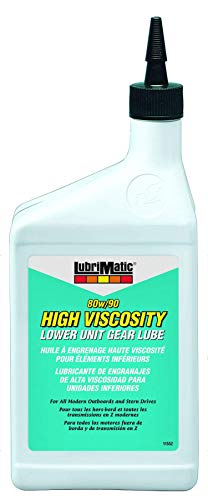
LubriMatic 11552 High Viscosity Lower Unit Gear Lube – 1 Quart
LubriMatic 11552 High Viscosity Lower Unit Gear Lube – 1 Quart
As an affiliate, we earn on qualifying purchases.
As an affiliate, we earn on qualifying purchases.
Conclusion
So, next time you notice a gear oil feels slick but seems to underperform under load, remember that slickness doesn’t always signify protection. It’s a common misconception that a slick feel equals better lubrication, but real protection depends on proper formulation and load-bearing properties. Don’t be fooled by surface sensations—choose oils designed for actual performance under stress. Always prioritize quality over feel to ensure your gears stay protected when it counts most.

Lucas Oil 10043 SAE 80W-90 Heavy Duty Gear Oil – 1 Quart
Contains extraordinary anti-wear and lubricity agents, ensuring exceptional protection against wear and reducing drag
As an affiliate, we earn on qualifying purchases.
As an affiliate, we earn on qualifying purchases.

POWER PUNCH EP1 Extreme Pressure Gear Oil Additive, 16 fl. oz, 1 Pack
Package Dimensions: 3.0 H x 6.0 L x 3.0 W (inches)
As an affiliate, we earn on qualifying purchases.
As an affiliate, we earn on qualifying purchases.